
 Sustainability


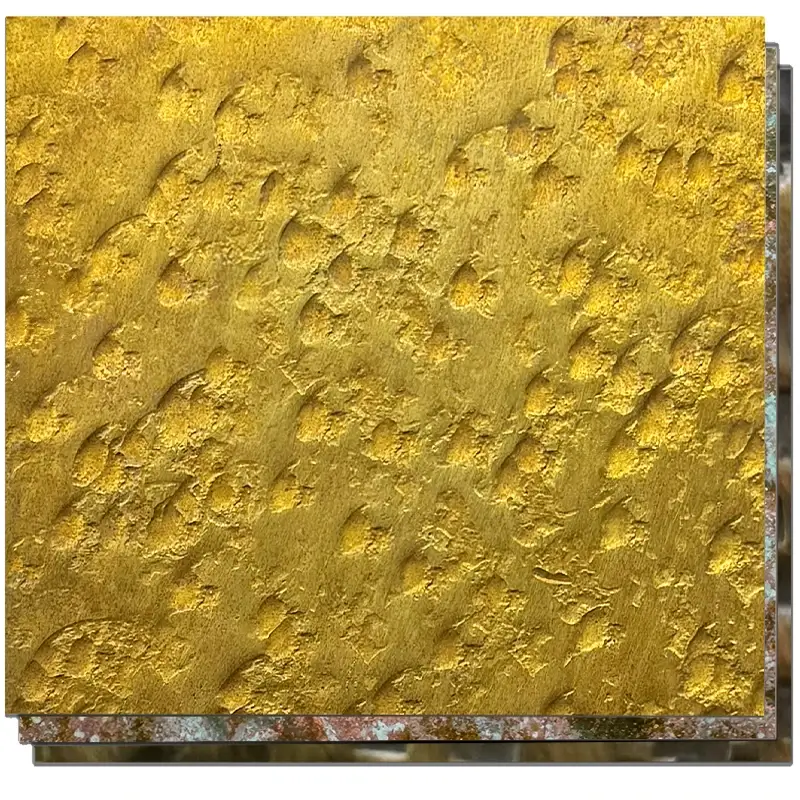
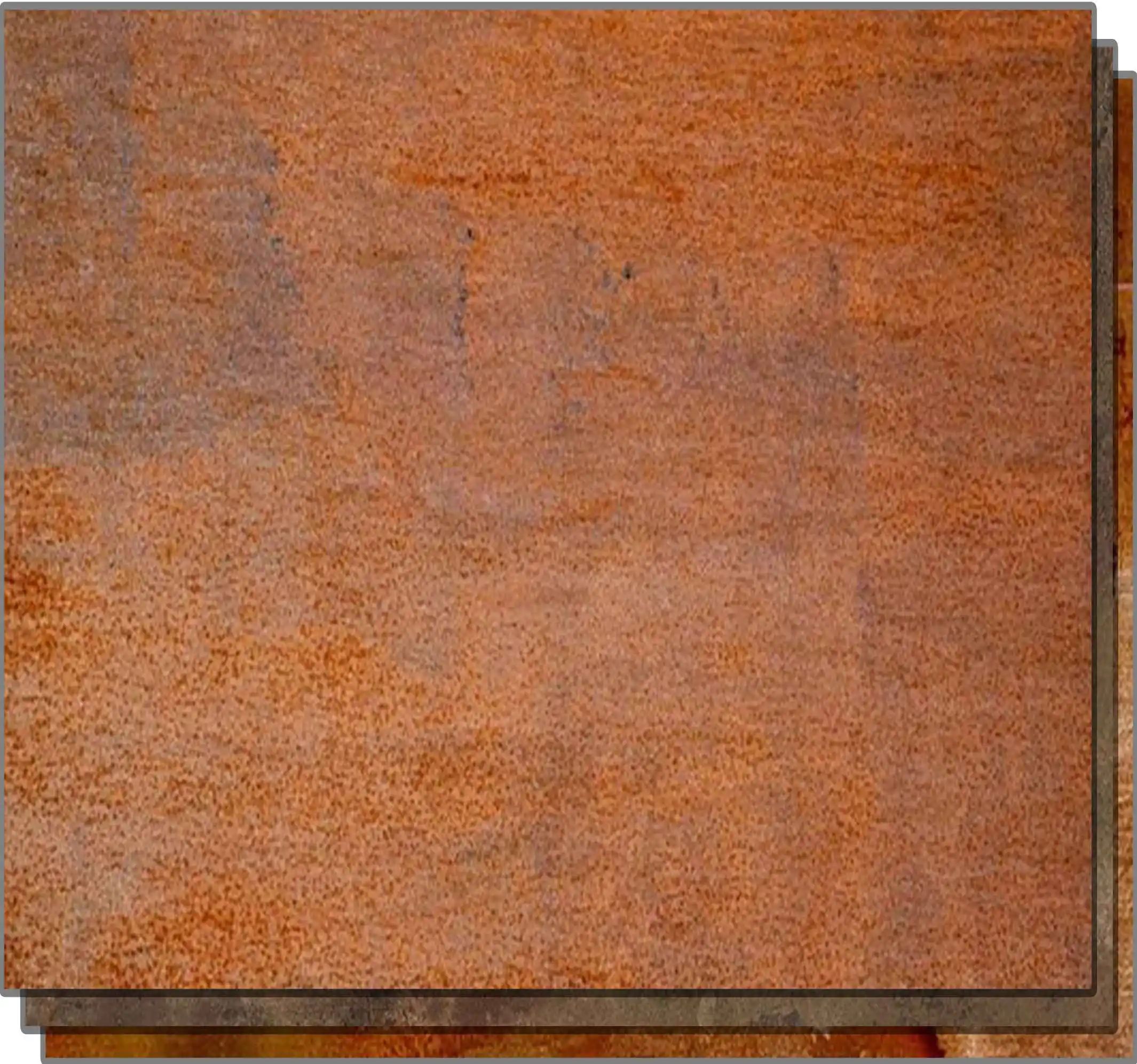
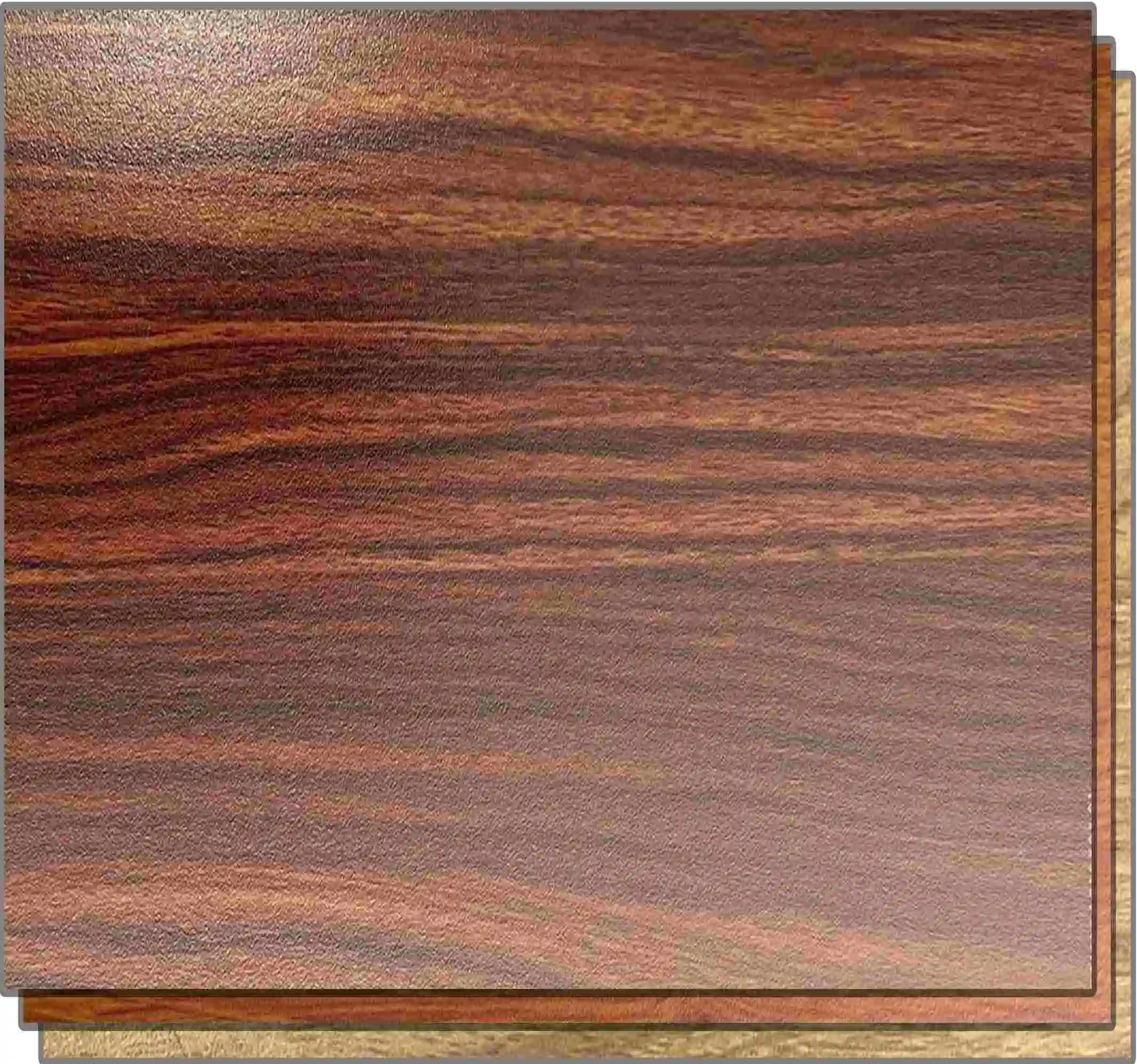
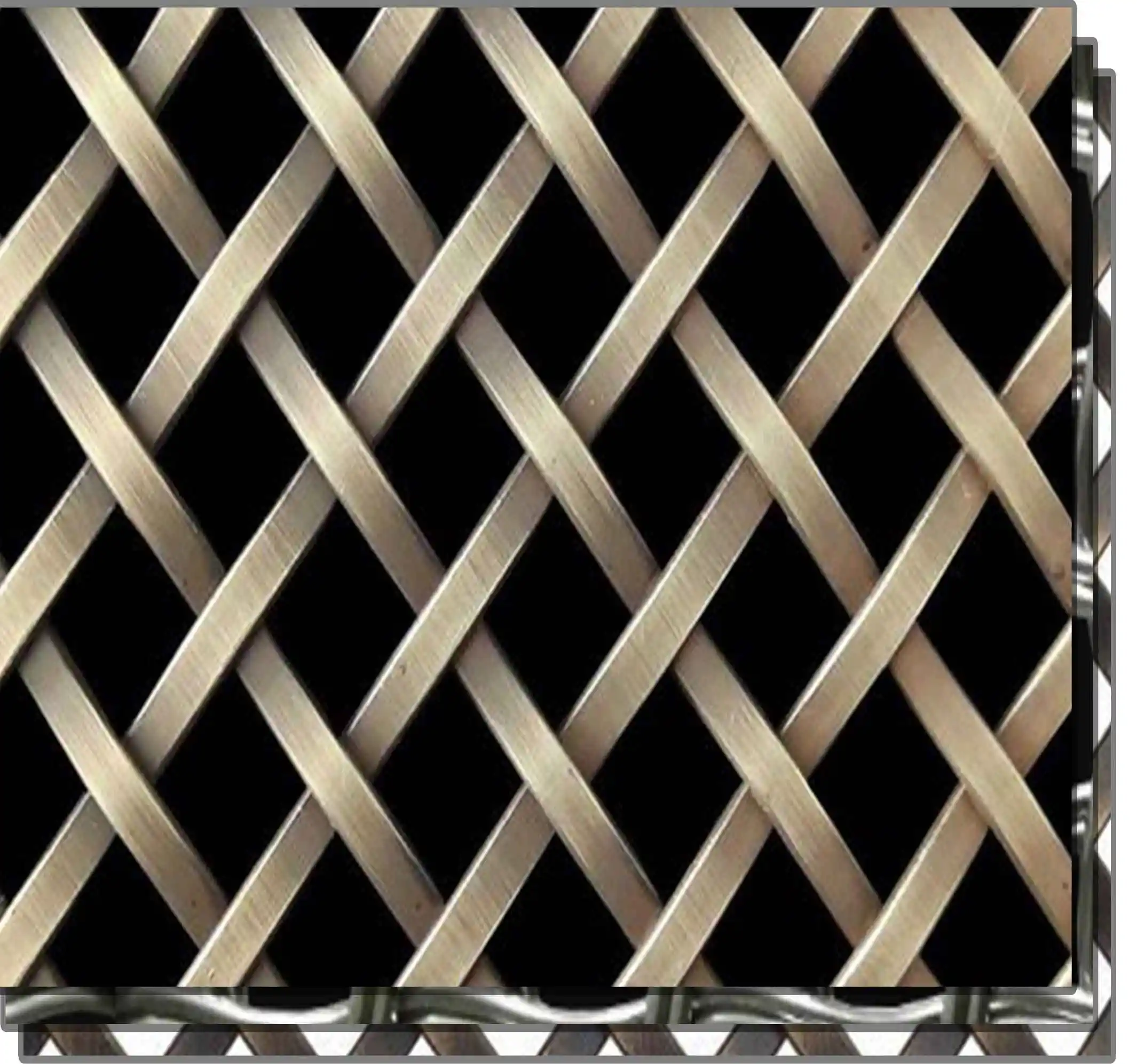
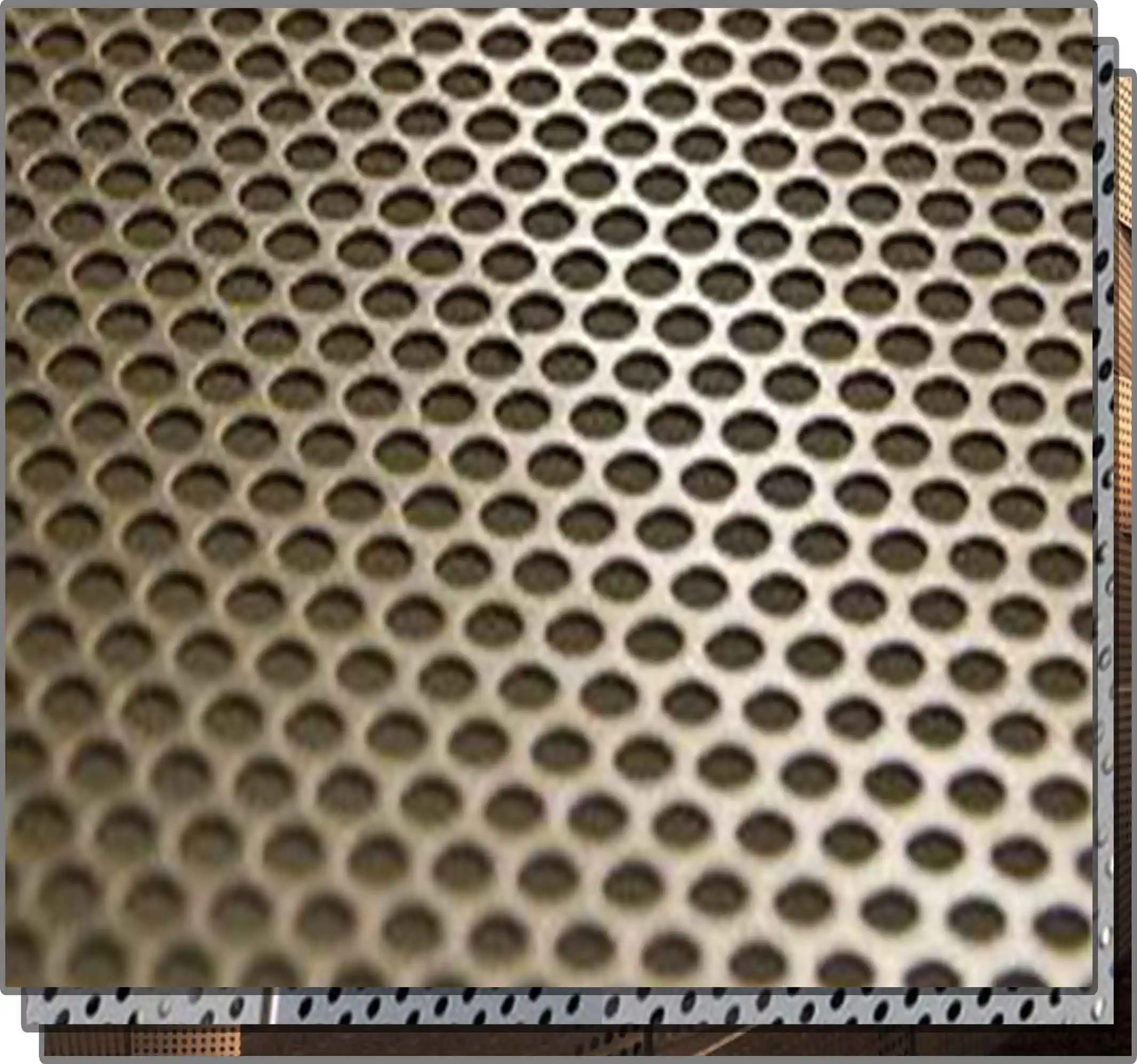






Stainless steel is a popular material used in making a wide range of products. From kitchenware to automobiles, this material (steel type) rules everywhere. That’s because stainless steel offers excellent strength, corrosion resistance, and very low weight. However, this material is not completely rust-proof, which can be a concern for many. This raises a question: How to keep stainless steel from rusting?
Remember, stainless material offers excellent resistance against both rust and corrosion. This resistance mainly stems from the chromium oxide layer on the surface of stainless steel. However, in some cases, this layer can be depleted, making the material prone to rusting. In this article, I will discuss how you can keep stainless steel from rusting and enhance its lifespan.
Does Stainless Steel Rust? If so, why?

Honestly, stainless steel offers excellent resistance against both rust and corrosion. In normal conditions, this material does not rust, even in moist environments. Why does it not rust? This credit goes to the excellent composition of stainless steel.
Stainless steel is an alloy consisting of iron and carbon. However, it contains over 10.5% chromium. This chromium is reactive and makes chromium oxide when it comes in contact with oxygen. This protective chromium oxide layer prevents corrosion and rust on stainless steel. Remember, this chromium oxide acts as a strong barrier. It prevents moisture from directly contacting the stainless steel surface.
Interestingly, this chromium oxide layer can heal itself if scratched. As a result, stainless steel material exhibits excellent resistance to rust. Despite this, this material is not rust-proof, especially when the chromium oxide layer weakens. Here are some key reasons that can cause rusting in stainless steel materials:
- Prolonged exposure of stainless steel to salt or bleaches.
- Using weak stainless steel in salty conditions. This consistent saltwater exposure can lead to both rusting and corrosion issues.
- Damage or cracks on stainless steel. The oxide layer breaks down around cracks. This lets moisture stick to stainless steel since there’s no protective coating.
- Sometimes welders make mistakes, resulting in low-quality welds and cracks. The chromium oxide on this weakly welded spot is damaged, leading to rusting.
How to Keep Stainless Steel from Rusting?

No doubt, stainless steel is known for its resistance to rust and corrosion. However, it is not entirely immune to corrosion, especially when exposed to prolonged humidity. That’s why proper care is crucial to keeping your stainless steel products (diviers or screens) rust-free for a long time. In the section below, I will discuss how to prevent stainless steel from rusting.
1- Regular Cleaning & Care
The simplest and most effective way to prevent rust is to regularly clean stainless steel parts or products. Dust, dirt, and moisture can accumulate on the surface of stainless steel. This can lead to unwanted spots and dirt buildup. When this buildup absorbs moisture, it can cause corrosion of the stainless steel. Therefore, you should clean the stainless steel material regularly with a soft cloth or sponge and soapy warm water. Proper maintenance and care can help prevent rust on stainless steel for years to come.
2- Prevent Contact of Chloride with Stainless Steel
As I mentioned earlier, stainless steel is rust-resistant due to the chromium oxide layer on its surface. Right? However, some chlorides can readily degrade and damage the protective coating on stainless steel. Such chlorides are generally present in bleaches and different salts. Once chromium oxide layers get damaged, the moisture can cause rusting in these materials. Thus, you should always prevent chlorides from coming into direct contact with stainless steel. Ideally, you should not wash stainless steel products with harsh bleach.
3- Use Protective Coatings
Applying a protective layer or polish is another effective way to prevent rusting in stainless steel. There are many stainless steel protectants available on the market. These protectants create a thin, invisible film over the surface. Some manufacturers also apply a layer of mineral oil to stainless steel to make it rust-resistant.
This coating acts as a barrier against water and other corrosive substances. You can choose either a wax-based or an oil-based spray to keep your stainless steel shiny. If you have a tight budget, you can simply apply a thin layer of clear protective paint or coating to the stainless steel surface. This paint layer will protect the stainless steel from corrosion and rusting.
4- Say No to Acidic or Salty Spills
Acids are very harsh and can easily damage the chromium oxide layer. Different foods contain acids. You should ensure that there is no acid or even salt spill on the stainless steel. If this happens, clean up the spilled acid or salt quickly.
Remember, if acid remains on the surface of stainless steel, it can degrade the chromium oxide layer, leading to rusting. It is noteworthy that stainless steel is only rust-resistant because of its oxide layer. If this layer is damaged, the stainless steel can rust. Therefore, you should protect this steel layer to prevent the stainless steel from rusting.
5- Avoid Harsh Chemicals
While polishing stainless steel, many people use harsh chemicals on the paint. Remember, these chemicals can contain chlorine or ammonia, which are not safe for stainless steel. These agents actually damage the protective layer of stainless steel. Due to damage to this layer, corrosion of the stainless steel surface increases. So, you should always use pH-neutral cleaners or specialized stainless steel cleaning solutions.
Frequently Asked Questions
Does stainless steel rust?
Generally, stainless steel is rust-resistant, especially when handled with care. However, in some extreme conditions, this steel type can rust. This rusting is more common when chromium oxide depletes from the surface of stainless steel.
Does 304 stainless steel rust?
304 stainless steel contains about 18% chromium, which makes it rust-resistant. However, this stainless steel grade is not 100% rust-proof. Even this 304 stainless steel can rust when exposed to harsh elements.
Does 316 stainless steel rust?
316 stainless steel contains 16% chromium and 2% molybdenum. As a result, 316 stainless steel offers excellent protection against rust and corrosion. Remember molybdenum (2%) ensures this stainless grade doesn’t deteriorate when exposed to chlorides. However, this grade can also rust in some rare cases.
Can stainless steel rust in water?
Generally, water does not cause rusting in stainless steel. Why? That’s because of the chromium oxide layer present on the surface of stainless steel. However, if water is more acidic or salty, it can cause rusting problems in this material. Pure water does not cause rusting or corrosion in stainless steel.
How to remove rust from stainless steel?
There are many ways to remove rust from stainless steel. However, two effective rust-cleaning methods include using white vinegar or a baking soda paste. Apply one of these two options to a rusty spot and let it sit for a few minutes. This will effectively remove the rust from the surface of stainless steel.
Conclusion
In the end, I must say that routine checks are crucial to keep stainless steel rust-free. So you must regularly inspect stainless steel for any scratches, stains, or discoloration. Why? These could be early signs of rust forming on this steel. If you notice any small rust spots on stainless, gently clean them with a soft brush. By following the above tips and strategy, you’ll be able to prevent rusting of your stainless steel.
Related News
2026-10-14
2026-09-28
2026-09-15
2026-08-25