
 Sustainability


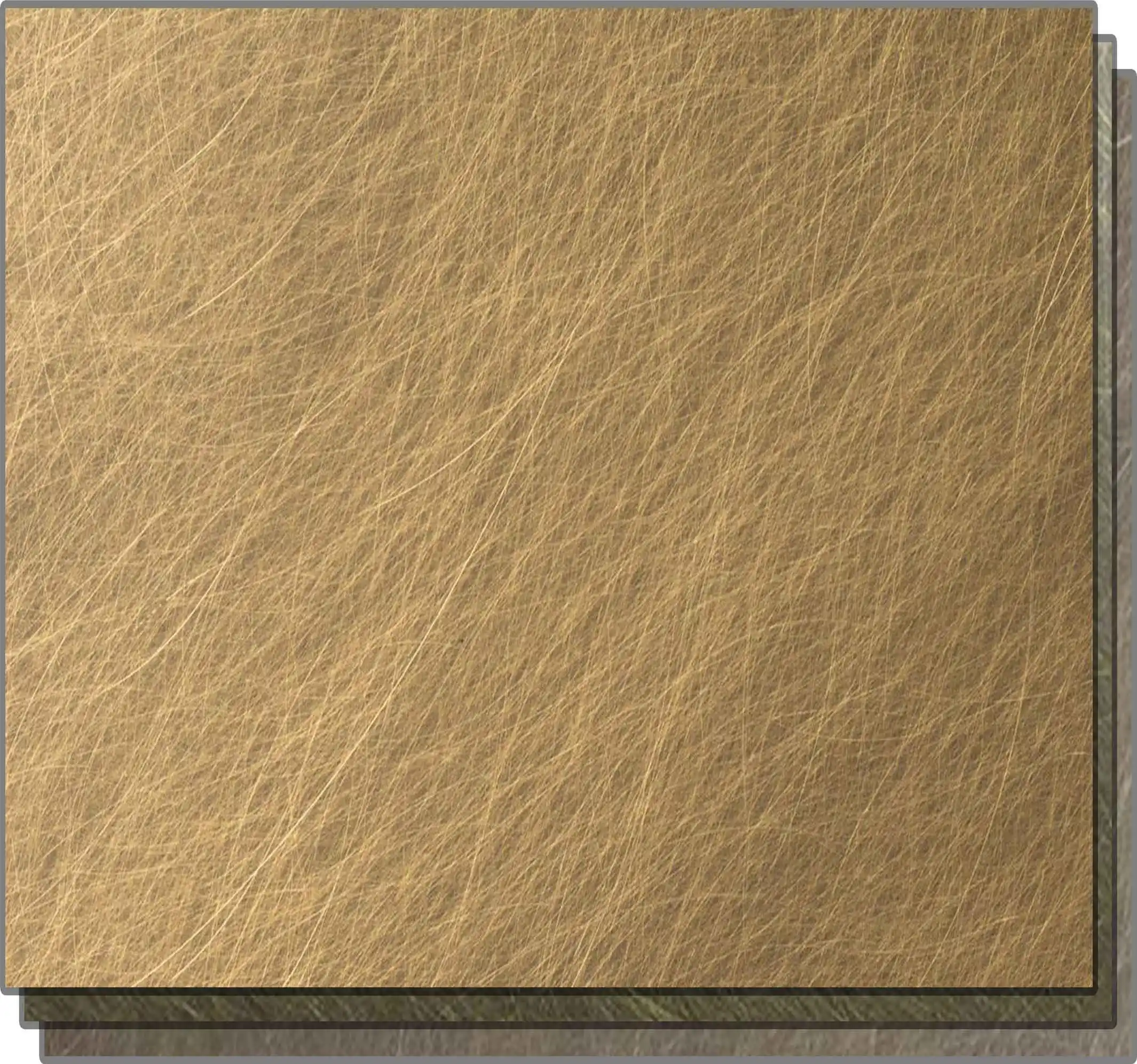
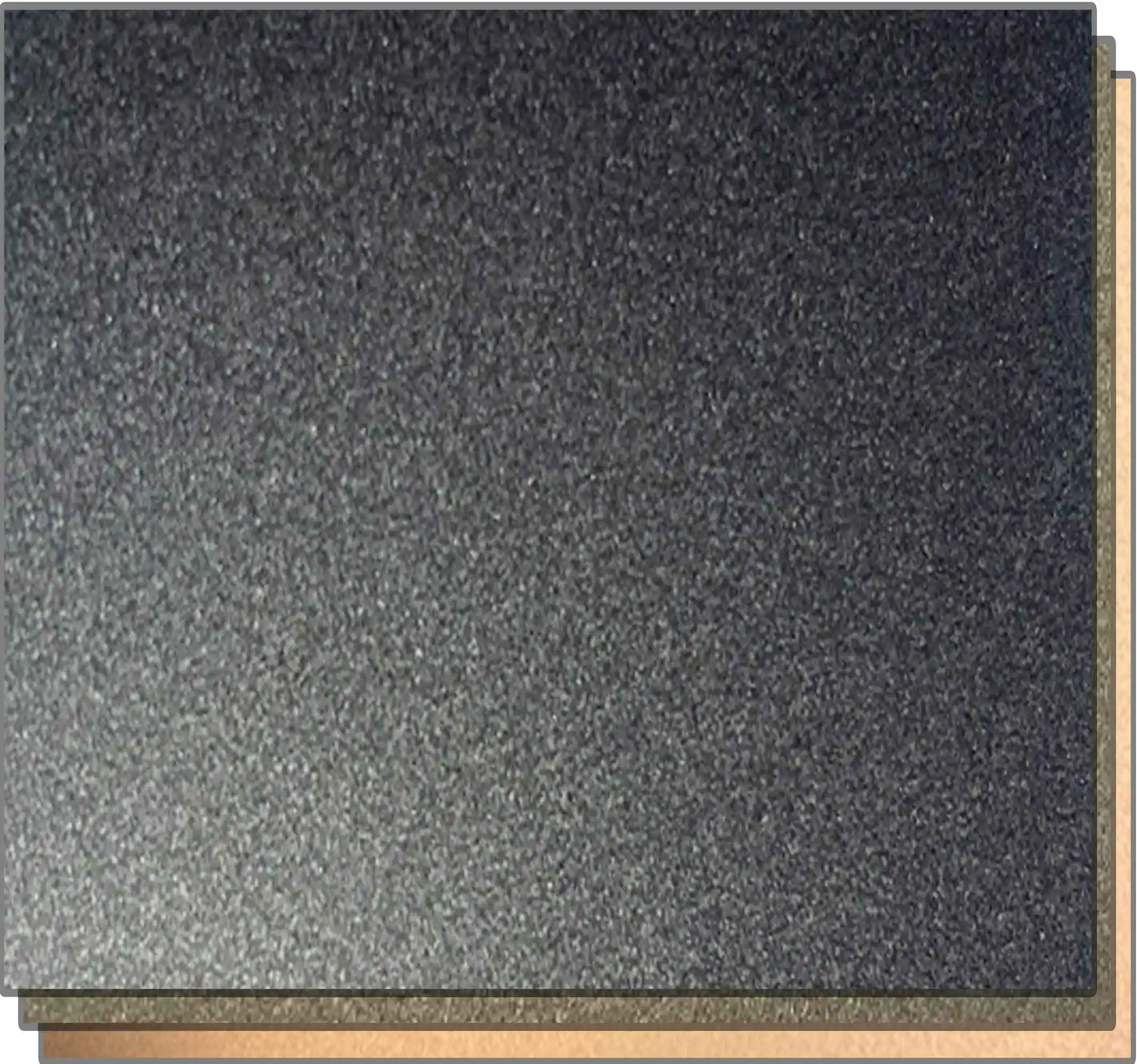
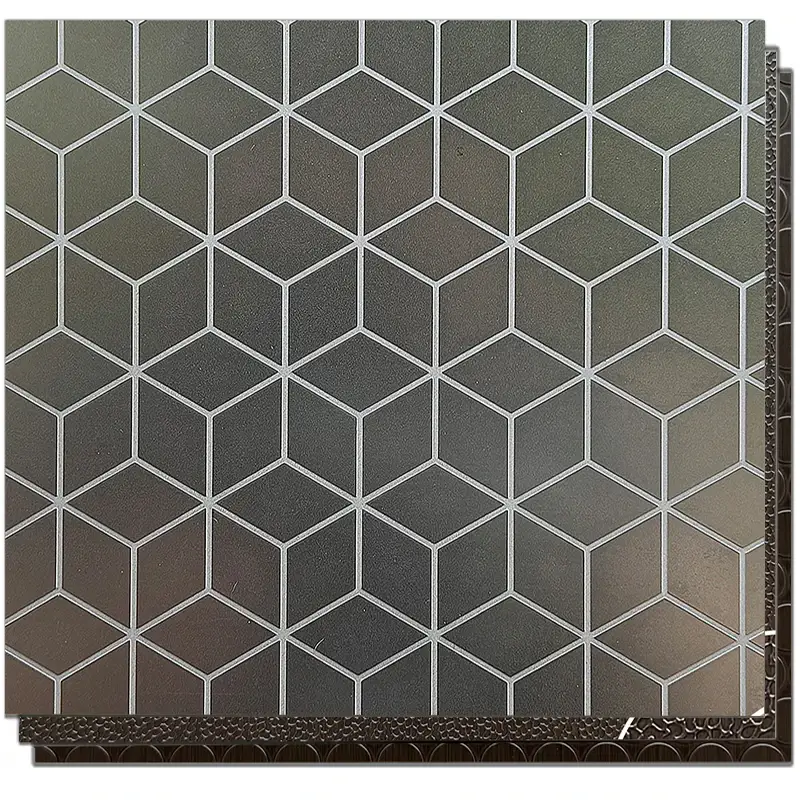

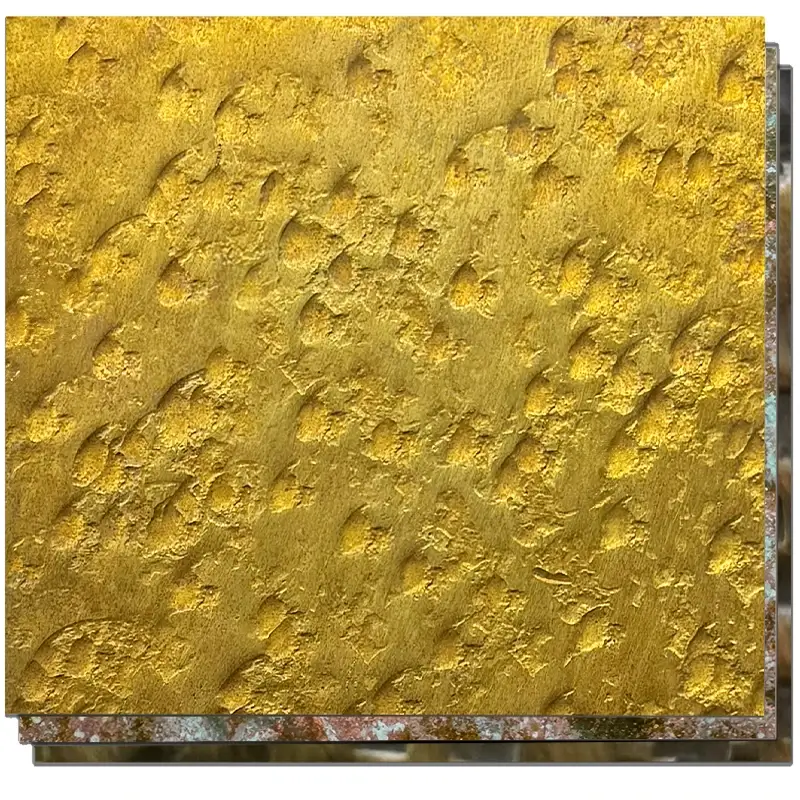
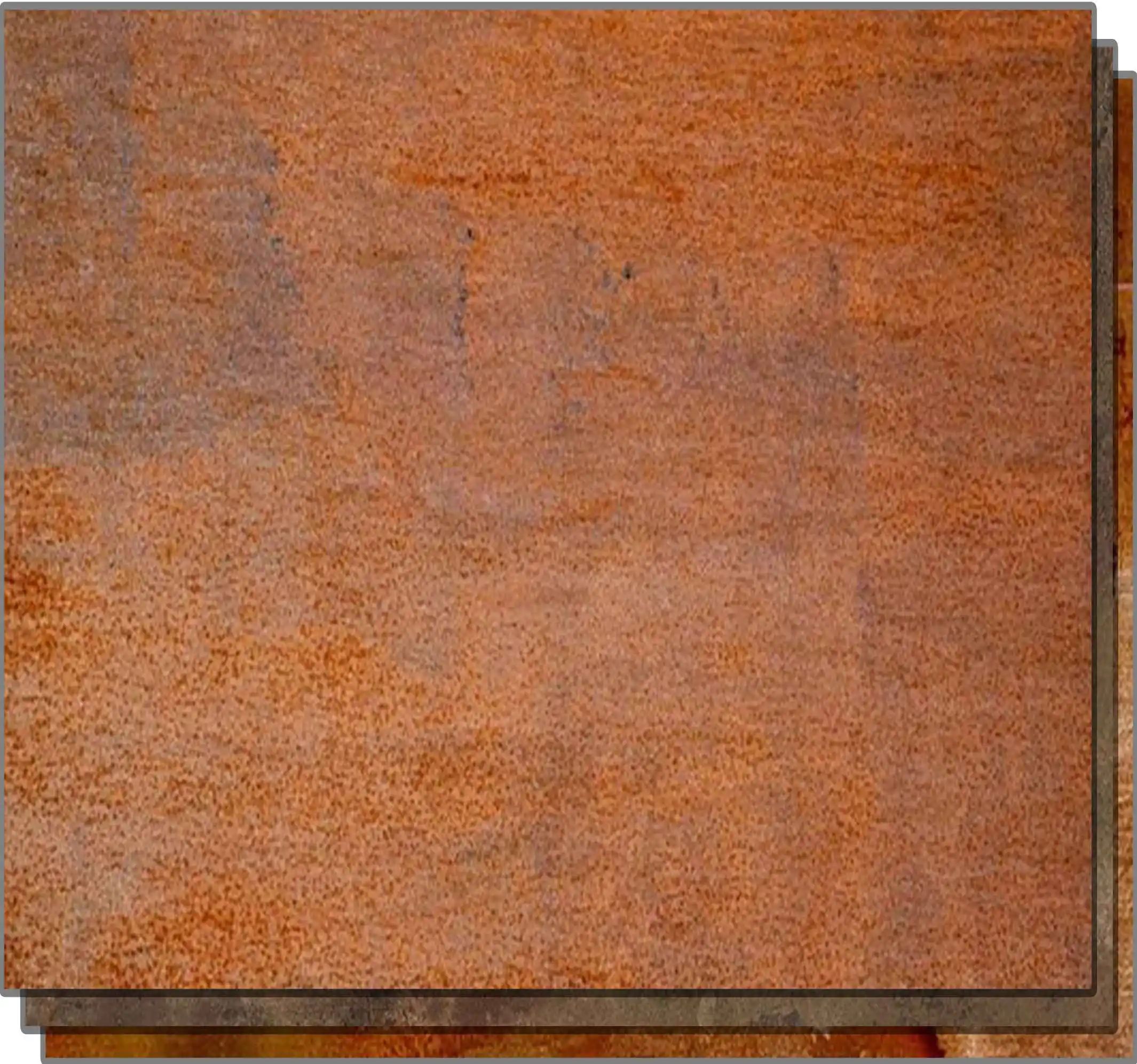
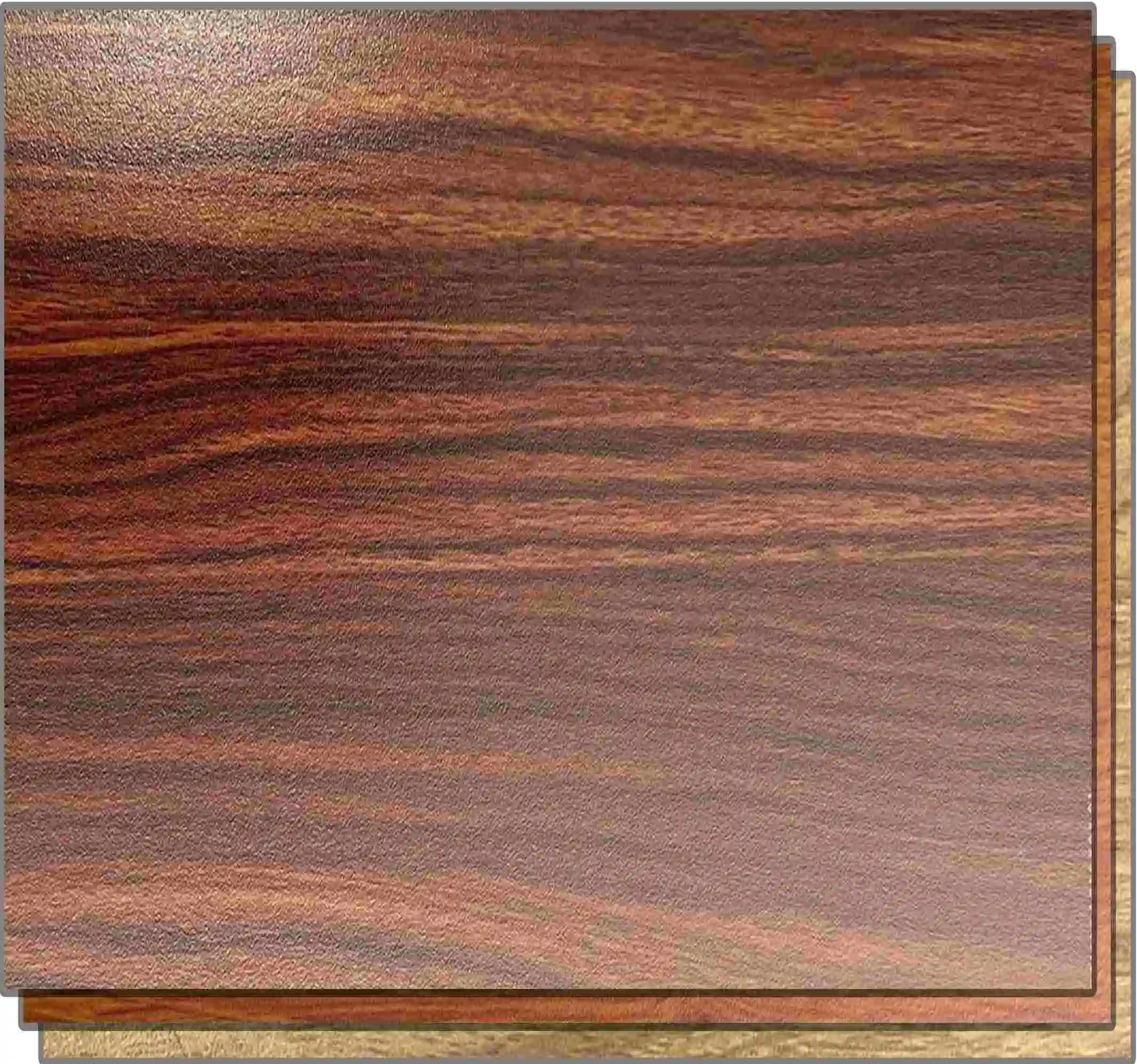
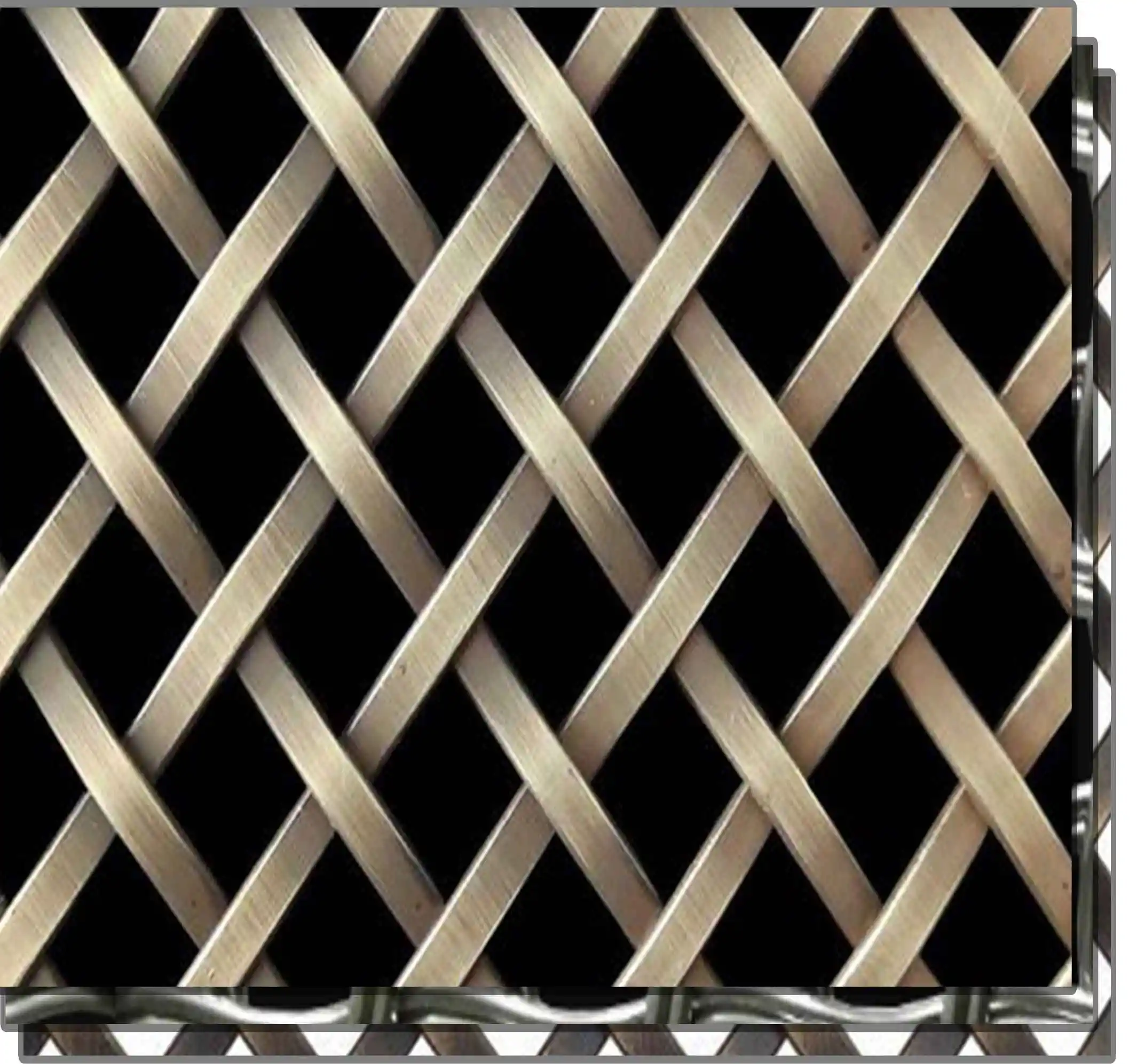
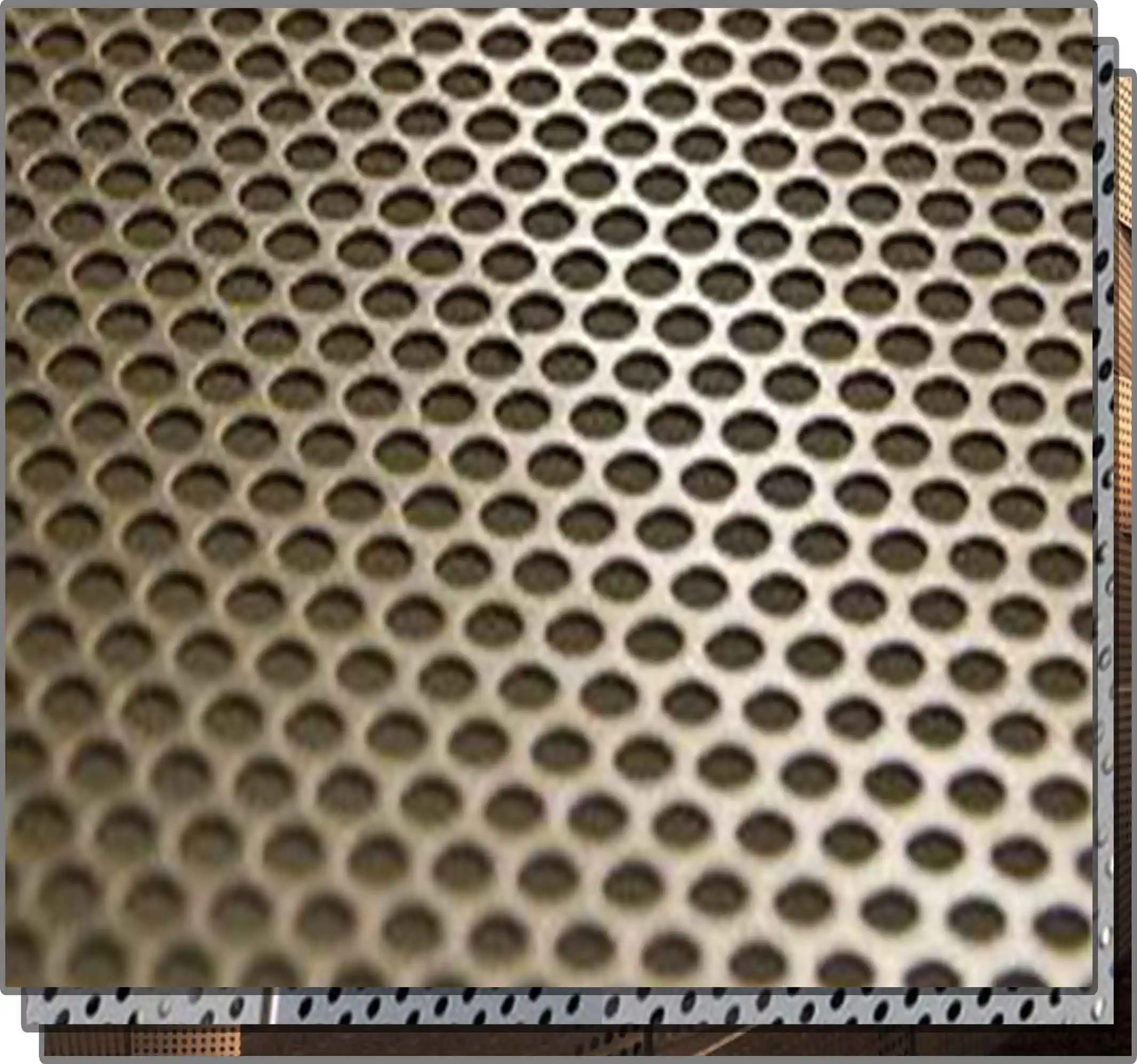






In modern homes, the kitchen is now more than just a place to cook. The kitchen island is where meals are prepared, children do their homework, or families gather. So this place often remains the heart of a home. For kitchen island materials, you will find several options. Among the two most widely used materials are stainless steel and wood. But the question arises: stainless steel vs. wooden kitchen island: which is best for modern families?
Both wooden and stainless steel kitchen islands have their own benefits and drawbacks. For example, stainless steel kitchen islands are known for their sleek appearance. However, wooden kitchen islands are loved for their warmth and comfort. But which one is actually best for modern families? Let’s find the answer by differentiating wooden and stainless steel kitchen islands in this guide.
Stainless Steel vs. Wooden Kitchen Island: Key Differences

At first glance, both stainless steel and wooden islands look attractive. However, each type of kitchen island performs differently for modern family kitchens. So let’s compare stainless steel and wooden islands side by side and see which one truly stands out for modern families.
1- Durability & Strength
The first and main difference between wooden and stainless steel kitchen islands lies in their strength. In this regard, stainless steel kitchen islands actually come out on top. Why? Stainless steel is a metal alloy that does not crack or corrode easily. You can place heavy objects like cookware on the stainless steel kitchen island without the risk of cracking.
On the flip side, wooden kitchen islands are also strong and tough as they are mainly made from oak and maple. However, over time, their strength can be affected by the external environment, such as humidity. For example, heat or moisture can damage the wood internally, making it weak over time.
2- Resistance to Heat & Water

In the kitchen, heat and moisture are the two most critical factors that directly affect kitchen islands. Both stainless steel and wooden kitchen islands behave differently to heat and humidity. For instance, stainless steel kitchen islands are highly resistant to both heat and moisture. You can place any hot cookware on a stainless steel island without worrying about burning. Also, stainless steel naturally has no porous surface.
So a stainless steel kitchen island does not absorb water and does not rust. Conversely, wood is naturally prone to heat damage. The wooden kitchen islands do not resist heat well. Even in an intense situation, they can catch fire, which can damage the entire kitchen. So you should not place any hot cookware or appliances on the wooden kitchen island. Moreover, you know that wood is a highly porous material. So, water can easily seep inside the island and damage it.
3- Ease of Cleaning & Hygiene Maintenance
Cleaning and hygiene are also critical in a family kitchen where food is prepared daily. Both stainless steel and wooden kitchen islands vary in this regard. If we discuss stainless steel kitchen islands, they are very easy to clean and maintain hygiene. How? Actually, stainless steel has a naturally shiny and non-porous surface. It does not allow dust, water, or food splashes to enter.
Also, stainless steel does not allow bacteria or mold to grow. With a damp, clean cloth, you can easily clean the stainless steel kitchen islands. In contrast, wooden islands might require more effort to keep clean and hygienic. As I said above, wood has a naturally porous surface. So, food or drinks can seep into the islands and cause a smell. Also, the porous surface of wood can trap bacteria and mold. So, you have to be very careful with wooden kitchen islands.
4- Scratch & Dent Resistance

As you know, the family kitchen remains busy almost all the time. So, the kitchen islands are often more prone to scratches and dents. This is another factor that distinguishes stainless steel and wooden kitchen islands. For example, a stainless steel island is often dent- and scratch-proof. The greater durability and strength of stainless steel make it resistant to cracking and other forms of damage.
If any scratches appear on the stainless steel kitchen island, you can hide them with a brushed finish. On the other hand, wooden kitchen islands are more likely to show scratches and dents. As you know, wood is a softer material than metal. So, sharp objects can easily leave marks on its surface. Even a small scratch or dent will be visible on the wooden kitchen island, and you cannot hide it with finishes.
5- Customization & Design Flexibility
Customization means you can match and design your kitchen island to the overall kitchen style. Both stainless steel and wooden kitchen islands offer different customization and design flexibility. For example, wooden kitchen islands offer excellent customization and design flexibility. You can cut, shape, and paint the wood in many ways. You can also choose from different wood types and finishes to match your kitchen decor.
On the flip side, stainless steel has limited customization options. This is because shaping and machining the stainless steel into various shapes is very demanding. Also, it does not offer a variety of colors and textures like wood. However, it does not mean that a stainless steel kitchen island cannot be customized. You can customize it according to your kitchen style, but it will be costly.
6- Cost & Affordability
The biggest difference between stainless steel and wooden kitchen islands is their price. So, basically, stainless steel kitchen islands come with higher initial costs. Why? The first reason is that stainless steel is a premium material with premium qualities. Its durability, heat and corrosion resistance, and scratch-and-dent resistance make it expensive. Also, its customization and design are very demanding, which raises its cost.
However, the long service life and fewer replacements make stainless steel kitchen islands cost-effective over time. Alternatively, wooden kitchen islands have a lower initial cost and are affordable. But wooden kitchen islands are not as durable or heat- and moisture-resistant. They might need frequent replacements and maintenance, which can increase their ongoing cost.
Quick Highlight: The price of a wooden kitchen island primarily depends on the type of wood. There are some premium woods, like oak, maple, or walnut, that come at higher prices. However, softwoods like pine or engineered wood are inexpensive options. So, wooden kitchen islands offer options that suit both budget-friendly and premium kitchens.
Concluding: Stainless Steel vs. Wooden Kitchen Island, Which is Best for Modern Families?

When it comes to modern families, there is no one-size-fits-all answer. In my opinion:
Stainless steel kitchen islands are best for modern families. They are highly durable and strong, so they can easily handle heavy cookware without being damaged. Also, stainless steel islands are easier to clean and maintain hygiene. But if your family prioritizes warmth, style, and customization, wooden kitchen islands can be a good fit.
So basically, both types of kitchen islands have their own strengths. The final choice between them depends on your personal preference for modern families. For example, stainless steel kitchen islands work best for very busy households. They have naturally non-porous surfaces that resist water and food from seeping into them.
Also, stainless steel kitchen islands resist heat, reducing safety-related risks. But remember, these stainless steel islands are initially costly. Also, unlike other custom metal islands, they offer limited customization. On the contrary, wooden kitchen islands might not fit very busy household kitchens.
These islands are more prone to heat and absorb moisture due to porous surfaces. So, to maintain their hygiene, you have to pay special heed over time. However, wooden kitchen islands are cost-effective and customizable. This makes them suitable for a small family kitchen.
Related News
2026-10-14
2026-09-28
2026-09-15
2026-08-25