
 Nachhaltigkeit

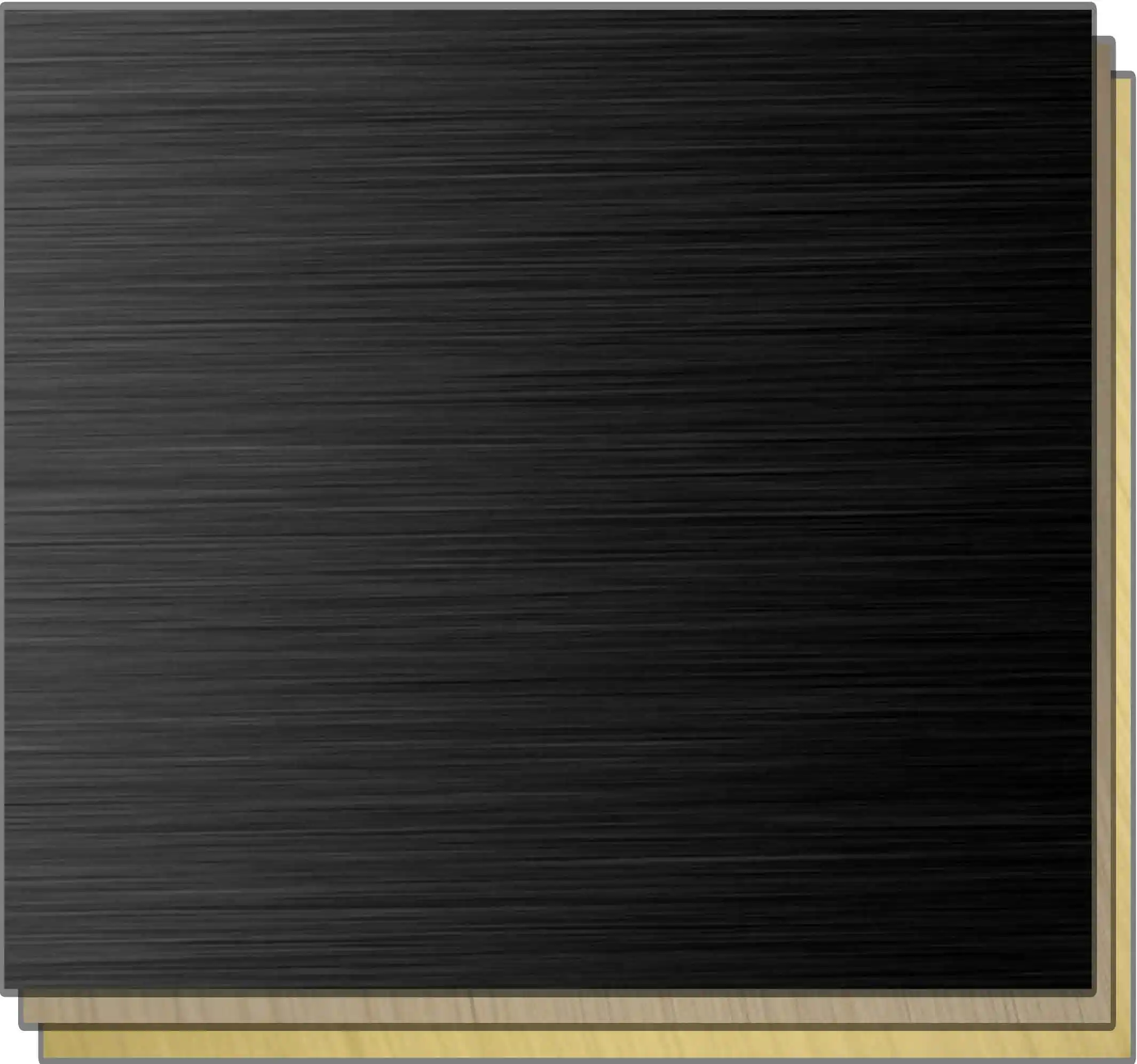

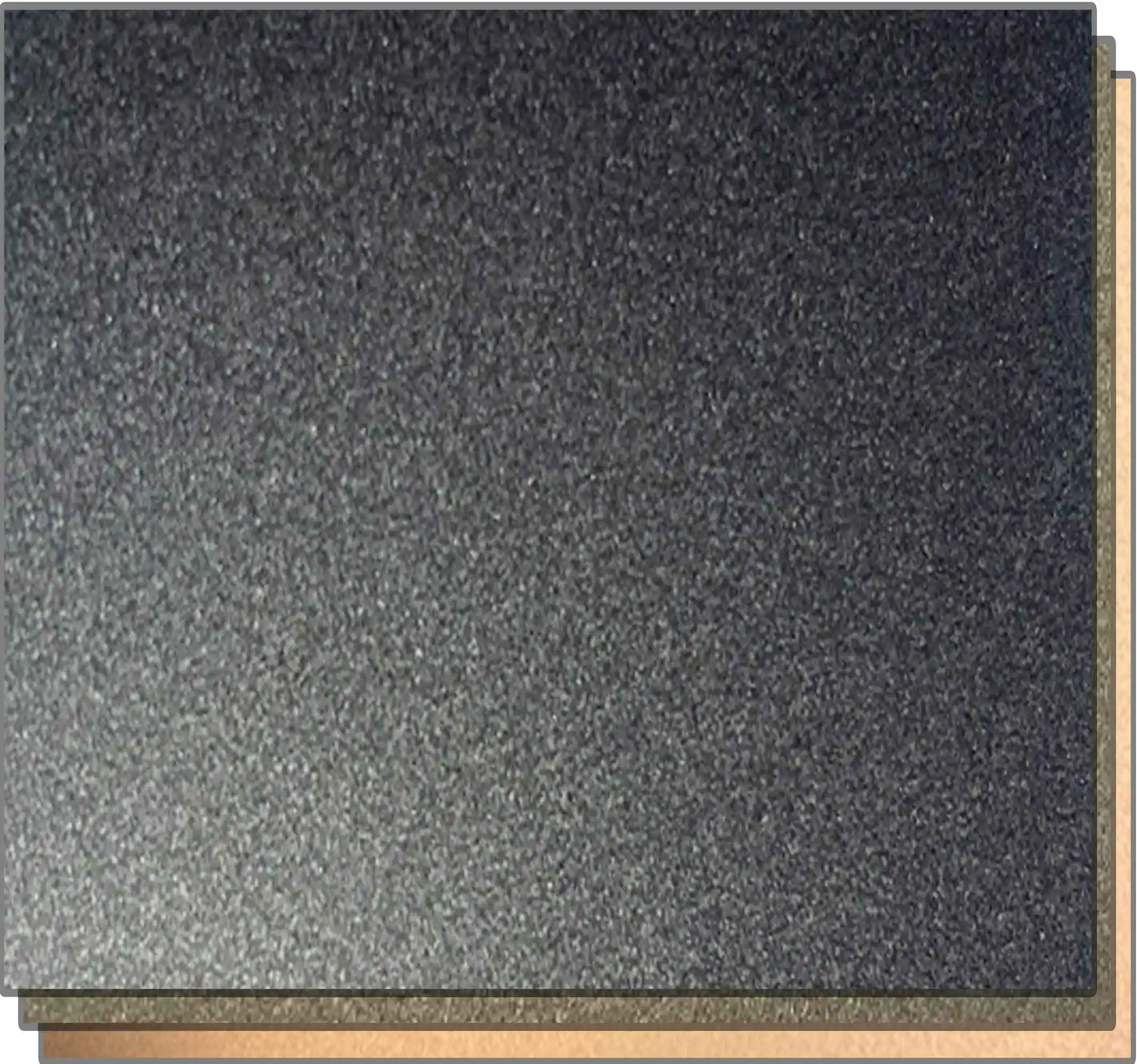
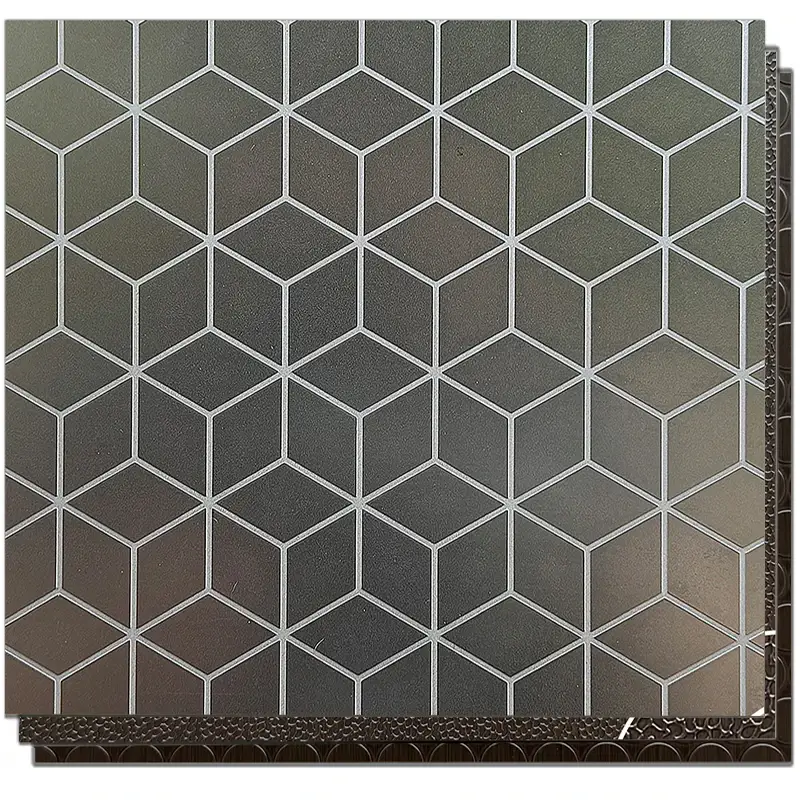


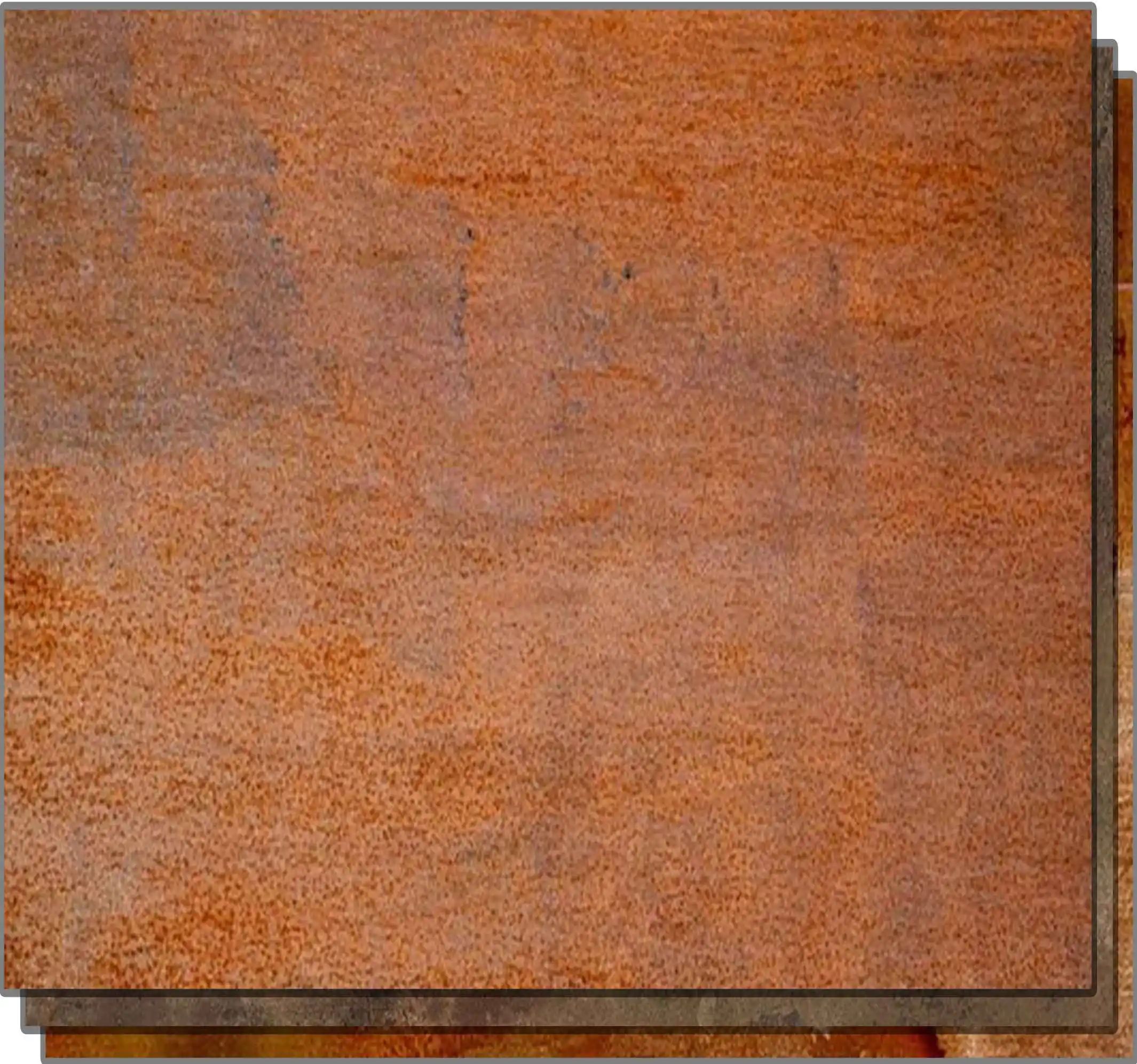





A wide range of materials are used in modern manufacturing. Some of these are known for durability, while others are known for decorative appeal. Among these materials, brass and copper are very popular. However, people often debate brass vs copper. There is a strong opinion among people that copper is a superior material.
However, many favor brass for its durability and improved corrosion resistance. This difference of opinion often confuses beginners when choosing between copper and brass. However, you don’t need to be confused. In this article, I will discuss the differences between brass and copper to help you choose the right one. So, let’s get started.
Differences Between Brass and Copper
Let’s drill down and explore the fundamental differences between copper and brass.
1.Material Type & Composition
The major difference between brass and copper lies in their composition. Copper is a pure metal that occurs naturally. It is extracted from the Earth’s crust and used in different applications. On the other hand, brass is not a natural metal. Instead, it is an alloy composed of multiple alloying elements. These include copper and zinc.
Interestingly, copper makes up a major proportion of brass, up to 85% in some types. Zinc is the second most abundant alloying element in brass, making up 30 to 35% of brass, depending on the brass type. It is worth noting that brass has different types that differ in composition. Below is the table showing different brass types with their composition:
| Type of Brass | Copper (%) | Zinc (%) |
|---|---|---|
| Cartridge Brass | 70% | 30% |
| Yellow Brass | 65% | 35% |
| Red Brass | 85% | 15% |
| Naval Brass | 60% | 39% and 1% Tin |
2.Color & Appearance
Copper has a reddish orange color; however, many may not notice it. Why? The reason is that copper undergoes oxidation when exposed to air. As a result, a green layer called patina forms on the surface of copper. This greenish layer affects the copper’s original color. In contrast, brass is yellow and may also lend a golden appeal.
This golden color is more prominent if you see it in sunlight. This yellowish color makes brass very visually appealing. That’s the major reason brass is used in different decorative items. It is worth noting that different types of brass can have different colors. Those with higher copper content may look yellowish-reddish rather than pure yellow.

3.Strength & Hardness
Brass and copper also differ in strength and hardness. Copper is generally soft and highly malleable. This means it can be bent and shaped to make different products. Additionally, this metal deforms under stress. However, brass is a very strong material with high hardness. Why? The reason is that brass is composed of copper and zinc. This zinc proportion gives copper excellent strength and hardness. If you need a softer material, I recommend choosing copper. For stronger and harder materials, brass is the best option.
4.Durability & Lifespan
Both of these materials are excellent in terms of durability. However, when examined closely, brass is slightly more durable than copper. Copper is corrosion-resistant mainly due to the patina layer formed. In fact, many manufacturers prefer using aged copper patina sheets for their products. However, when it comes to wear and tear, copper is not the best.
Its softer nature makes it more prone to wear and tear. Brass contains zinc, which makes it highly corrosion-resistant. Additionally, this material is stronger and harder. So it is wear-resistant and does not deteriorate even if exposed to rubbing. Comparatively, brass offers a longer lifespan and greater durability than copper.
5.Electrical & Thermal Conductivity
One thing that makes copper a highly used material is its excellent electrical conductivity. As a result, copper is used in electrical wiring and other electronic components. Additionally, it offers optimal thermal conductivity, which allows heat to dissipate. On the other hand, brass is not ideal for both electrical and thermal conductivity. The reason is that it has zinc, which hinders the movement of charges (electrons). This results in lower electrical conductivity of the brass.
6.Aesthetic & Decorative Uses
Both copper and brass are excellent in terms of their aesthetic appeal. Copper is known for its reddish and rustic look. Its patina further makes it look unique, giving it a greenish hue. On the other hand, brass has an elegant look that resembles gold. For decorative uses, I consider brass a superior option. Why?
The reason is that it looks more visually appealing and is durable. Manufacturers typically prefer to make different home decor items. Products such as lamps and musical instruments are made with brass. Remember, brass’s aesthetics and durability make it the best option compared to copper. If you prefer parts to be sleek and not fragile, choosing copper is not a bad idea.

7.Ease of Machining & Ductility
Brass is a superior option for ease of machining. The reason is that this material is decently hard. However, it can be cut, and during machining it does not stick to the cutters. However, copper is a very soft material, which affects its machinability. During cutting, the copper material sticks to the cutting tool, which is a significant drawback. However, copper is highly flexible and ductile. It can be bent, stretched, and used for making wires and cables. Additionally, copper is malleable, which is another advantage. Brass, on the other hand, is not ductile and cannot be used for making flexible parts.
8.Cost & Applications
One drawback is the higher price of copper. As you know, this metal is pure and natural, meaning it is derived from the Earth’s crust. This process of extracting copper is costlier and energy demanding. On the other hand, brass is an artificial alloy which is easily made by mixing copper and zinc.
When it comes to applications, copper stands out for its use in the electrical industry. Its higher electrical conductivity makes it the best option for wires, cables, and more. Higher thermal conductivity makes copper suitable for making heat exchangers. In contrast, brass is used to make parts that require greater durability and strength.
In the section below, you’ll see an application comparison of copper and brass in the tables:
| Copper Applications | Brass Applications |
|---|---|
| Electrical wiring | Valves & fittings |
| Power cables | Plumbing hardware |
| Heat exchangers | Musical instruments |
| Plumbing pipes | Decorative items |
| Motors & coils | Marine hardware |
Conclusion: Which One Should You Choose: Copper or Brass?
Choosing between copper and brass is a personal choice.
However, I recommend choosing brass over copper for products that require more durability. This material is not only affordable but also offers excellent visual appearance. However, if your product is about electrical conductivity, copper is the best option. Remember, copper is expensive, so a substantial budget is required.
Here is the honest advice: analyze your use case before choosing either copper or brass. Remember, different parts, products, and projects have different requirements. Understanding these requirements is crucial before deciding between copper vs brass. In this article, I have discussed all the differences between copper and brass. These distinctions, once understood, will help in selecting these two materials.
Verwandte Nachrichten
2026-10-14
2026-09-28
2026-09-15
2026-08-25