
 Nachhaltigkeit

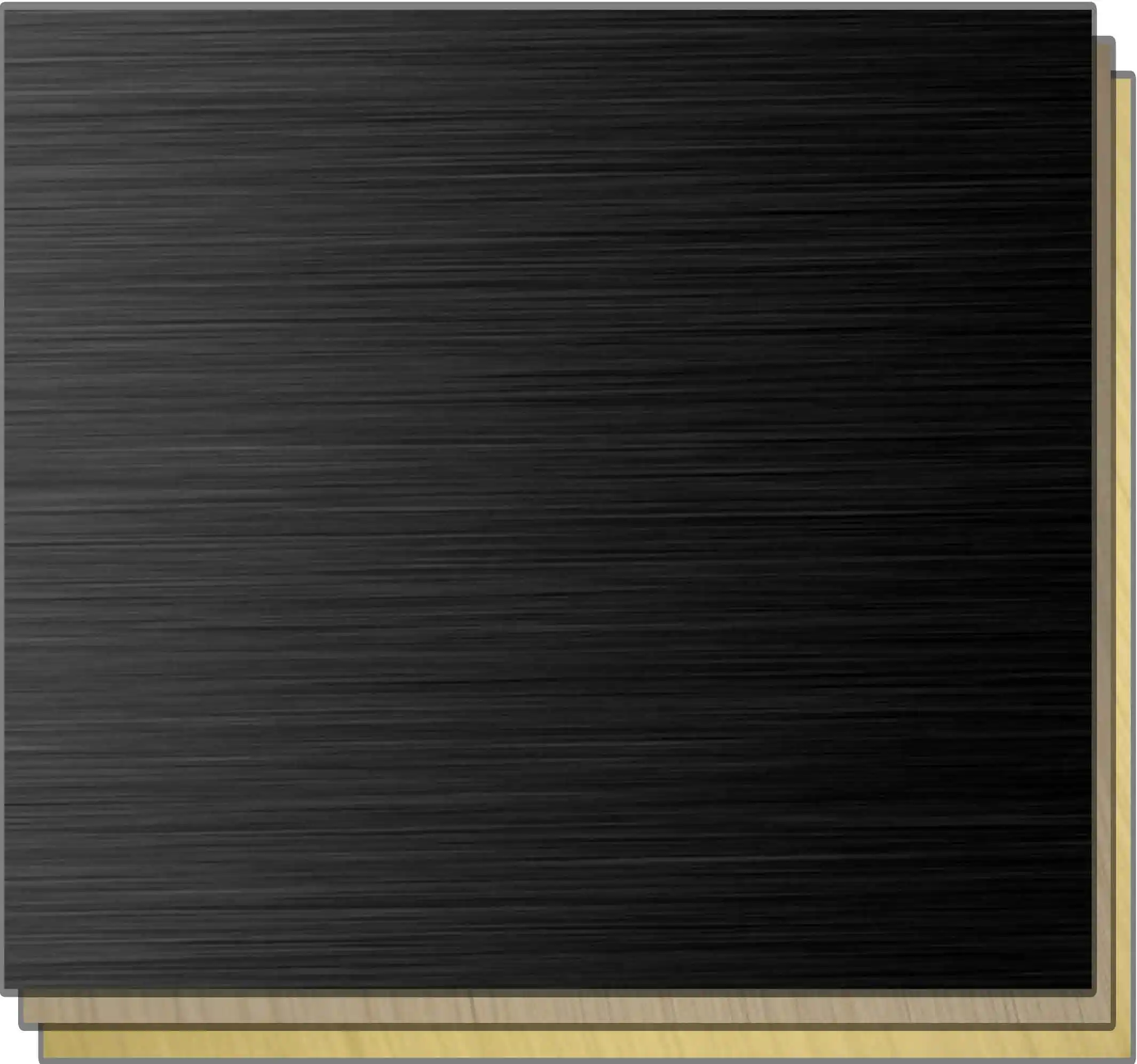
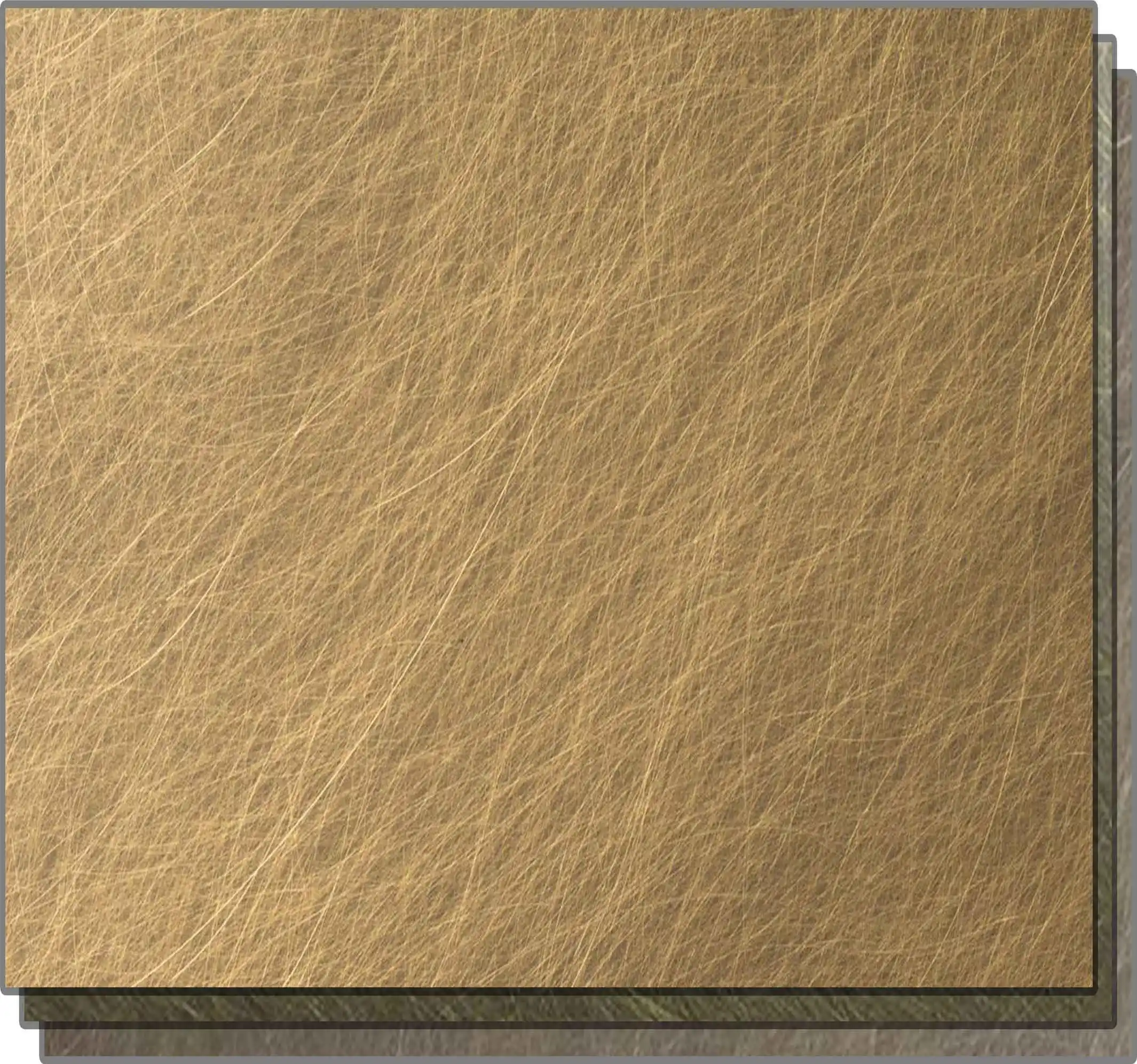
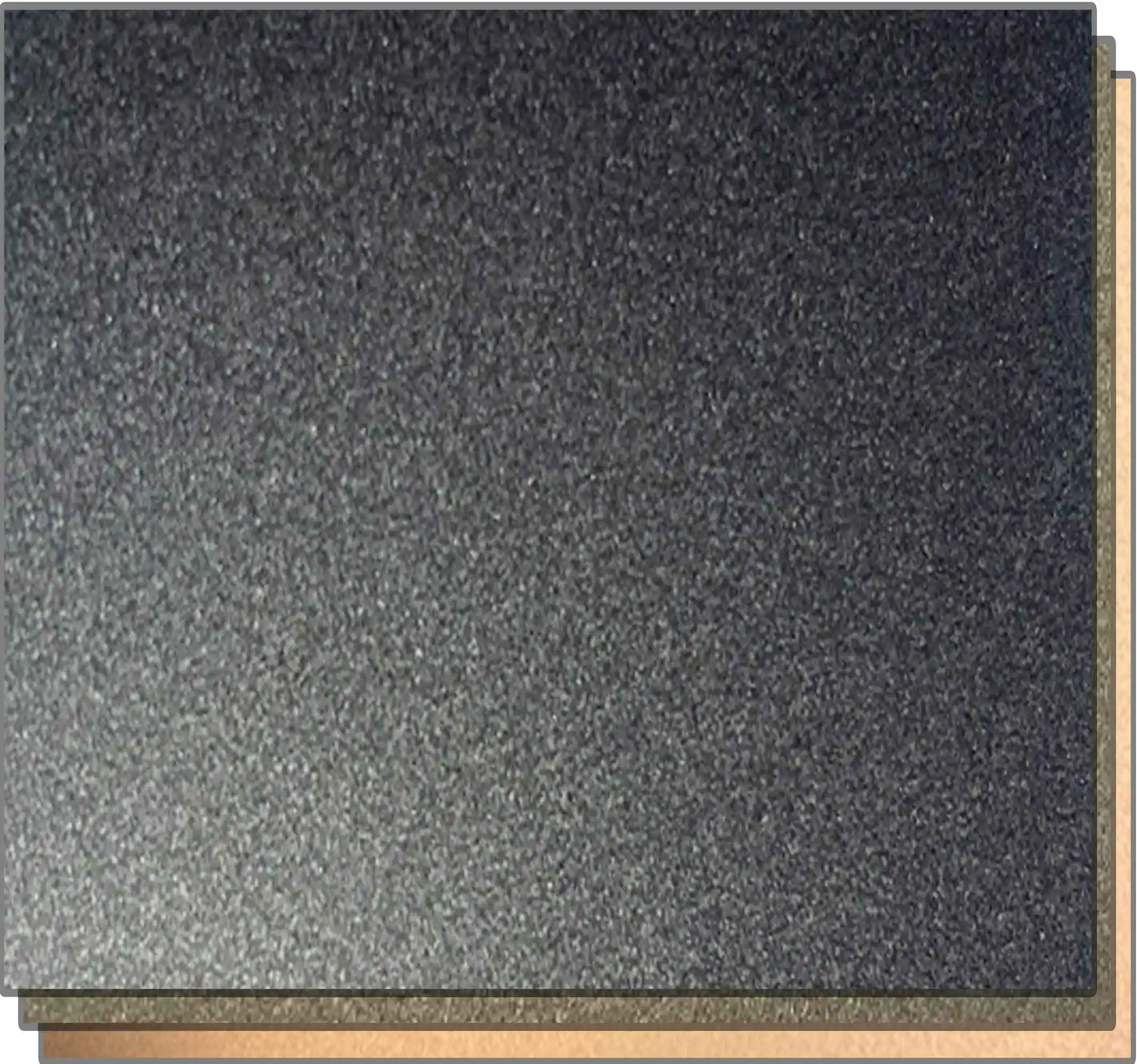
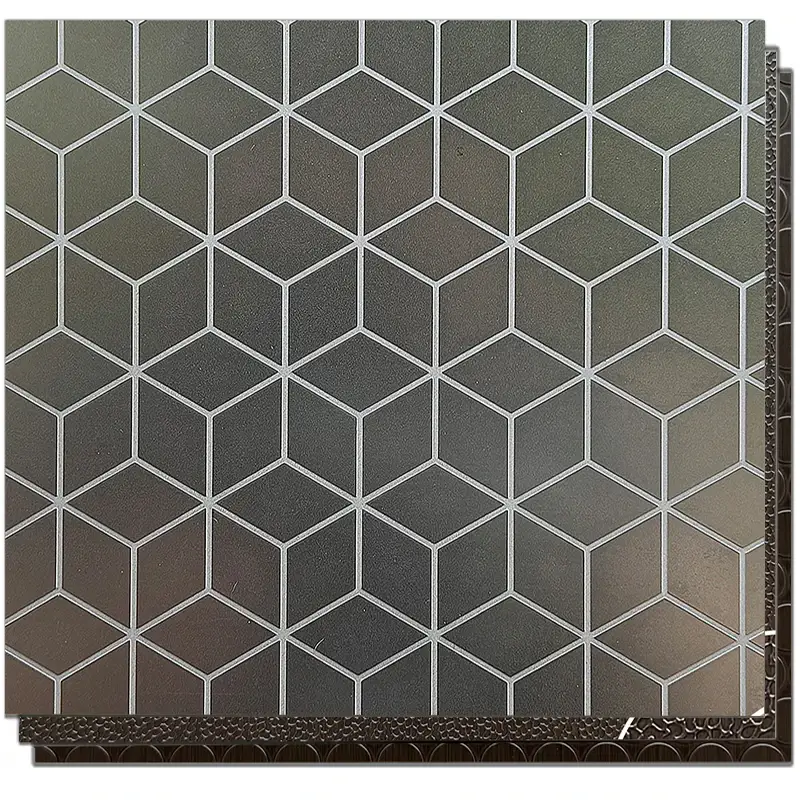



Arguably, copper is one of the most used metals in electronics and other industries. Its excellent electrical conductivity makes it stand out. However, one aspect that makes copper widely used is its excellent visual appeal and patina. Despite its popularity, many people have no idea about these materials. So they ask: What is copper and what is it used for? Understanding the basics of copper is crucial if you want to get the most out of it. In this article, I will discuss everything about copper metals. You’ll also learn about the key applications of copper. Let’s get started.
What is Copper?
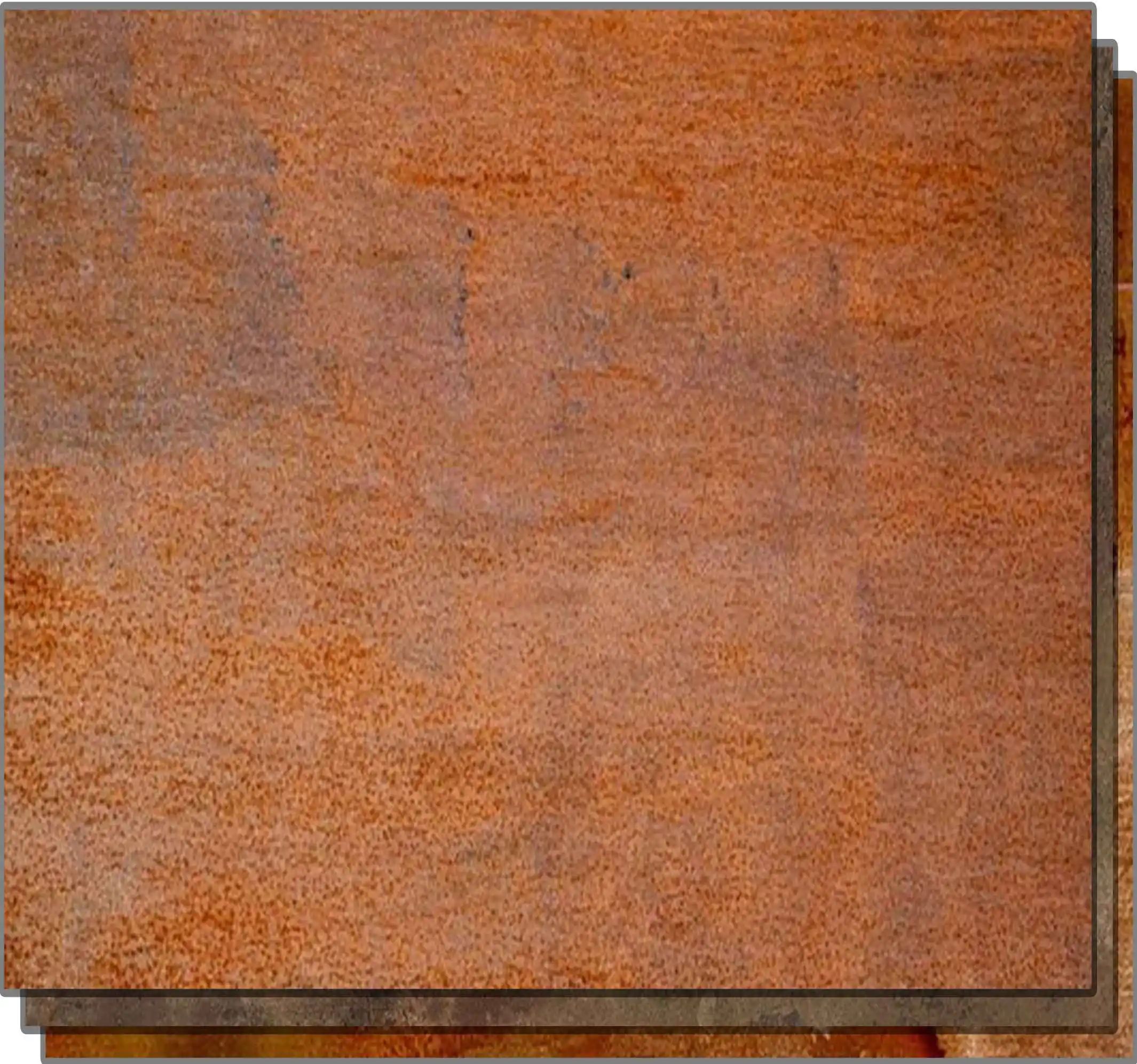
Copper is a naturally occurring non-ferrous metal that people have used for thousands of years. It is made of 99% pure copper, which makes it one of the purest metals on Earth. It has a reddish-brown color with excellent durability, corrosion resistance, and versatility.
No doubt, copper is a pure element. But manufacturers sometimes add small amounts of other elements, such as oxygen, silver, and phosphorus. These elements improve properties such as strength, machinability, and corrosion resistance. However, copper always remains the main component.
That’s the reason copper is easier to shape with regular tools. Fabricators use it to make many complex shapes that are not possible with other metals. At the same time, it offers excellent electrical and thermal conductivity, as well as rust resistance. That’s why you can find it in electrical wires, power cables, electronic devices, and plumbing systems.

Properties or Advantages of Copper
Copper is one of the most valuable materials on Earth. The reason lies in its natural properties that offer the best combination of durability and reliability. Let’s dive in and explore some of those properties below.
- Electrical Conductivity: First, copper is an excellent electrical conductor. It has closely packed atoms that allow current to flow quickly and efficiently with very little energy loss. That’s why it is commonly used in electrical wiring.
- High Thermal Conductivity: Like electricity, copper transmits heat efficiently. It absorbs heat quickly and moves it evenly from one place to another. This helps many systems heat up or cool down more efficiently.
- Corrosion Resistance: Copper naturally resists corrosion without additional alloying elements. When it is exposed to oxygen or water, it forms an oxide layer that protects it from corrosion. Because of this natural protection, it works without the risk of damage from outdoor conditions.
- Easy to Shape: Another best thing about copper is its flexibility and softness. That’s why it becomes much easier to cut, bend, and shape it in many ways. There is no need for special tools and no risk of tools wearing out.
- Recyclability: Lastly, when it comes to recyclability, copper stands tall. It can be melted and reused repeatedly without losing its strength and conductivity. That’s why, once it deteriorates, you can recycle and use it with the same qualities.
Uses of Copper
The valuable properties of copper make it a useful metal in several industries. For example, its durability, corrosion resistance, and conductivity all make it valuable. For better understanding, let’s discuss the major sector where copper performs.
1.Electrical Wiring
The first major use of copper is in electrical wiring. As I mentioned above, copper tends to conduct current with minimal resistance. That’s why there is no risk of energy loss or heating the wires. In the wiring of homes, offices, schools, and factories, as well as in power distribution systems, copper is used.
2.Cookwares & Air Conditioners
The use of common is also widespread in air conditioners. How? In air conditioning systems, copper is used for refrigerant pipes, cooling coils, and so on. The reason is that copper is strong enough to handle changes in temperature and pressure without cracking or leaking. Apart from this, copper is commonly used to make various cookware. These include pots, pans, and other utensils. That’s because this metal has excellent heat conductivity. So utensils made from it distribute heat efficiently, ensuring smooth cooking.
3.Plumbing Systems
Copper is also a trusted metal in plumbing systems due to its natural corrosion resistance. As you know, water supply pipes, hot water systems, and heating pipes remain in continuous contact with water. So regular metal can quickly rust in such conditions. But the oxide layer in copper protects it from rust and helps it last longer.
4.Decorative Products
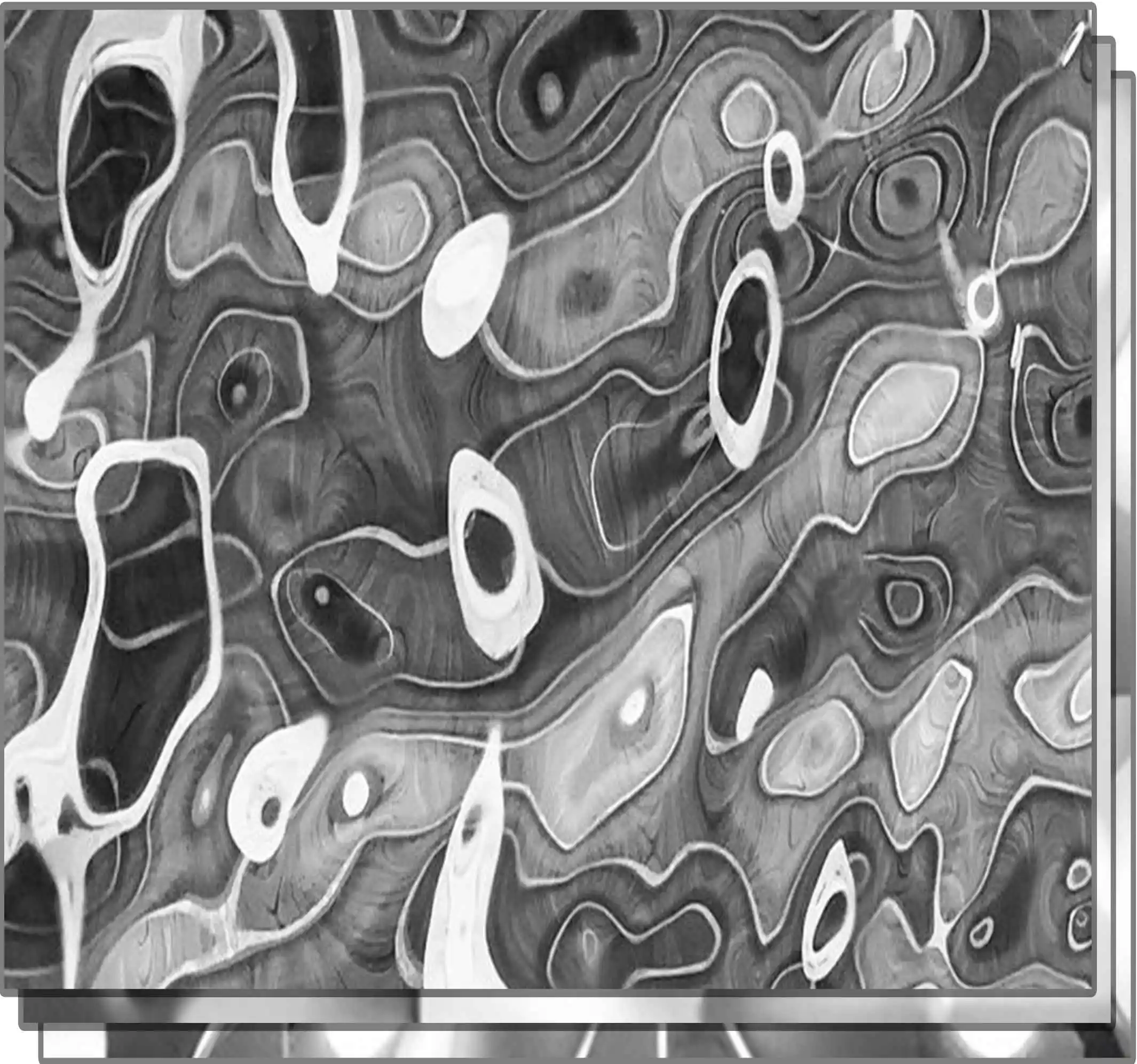
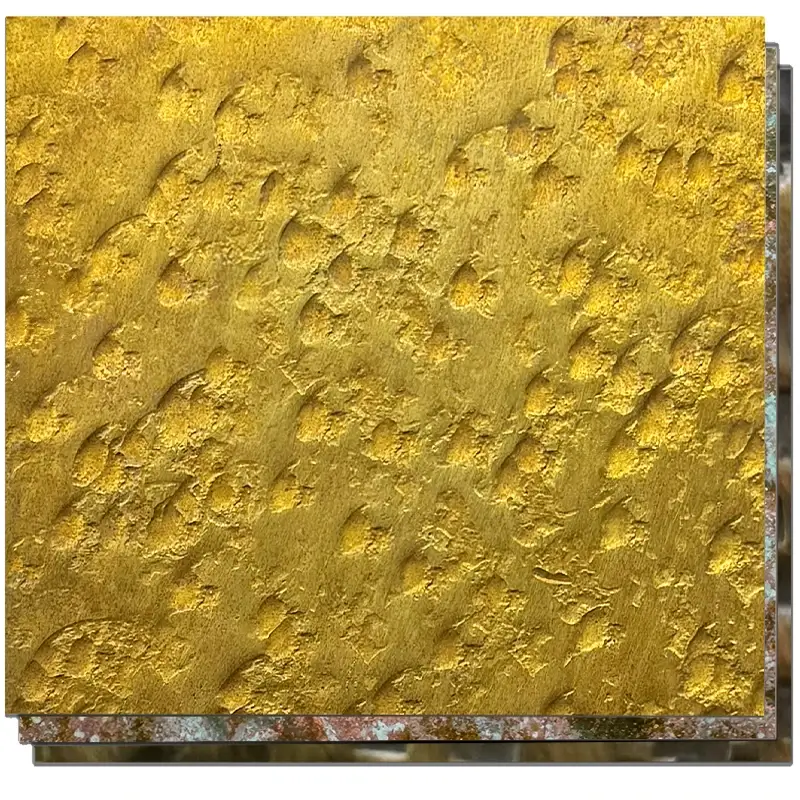
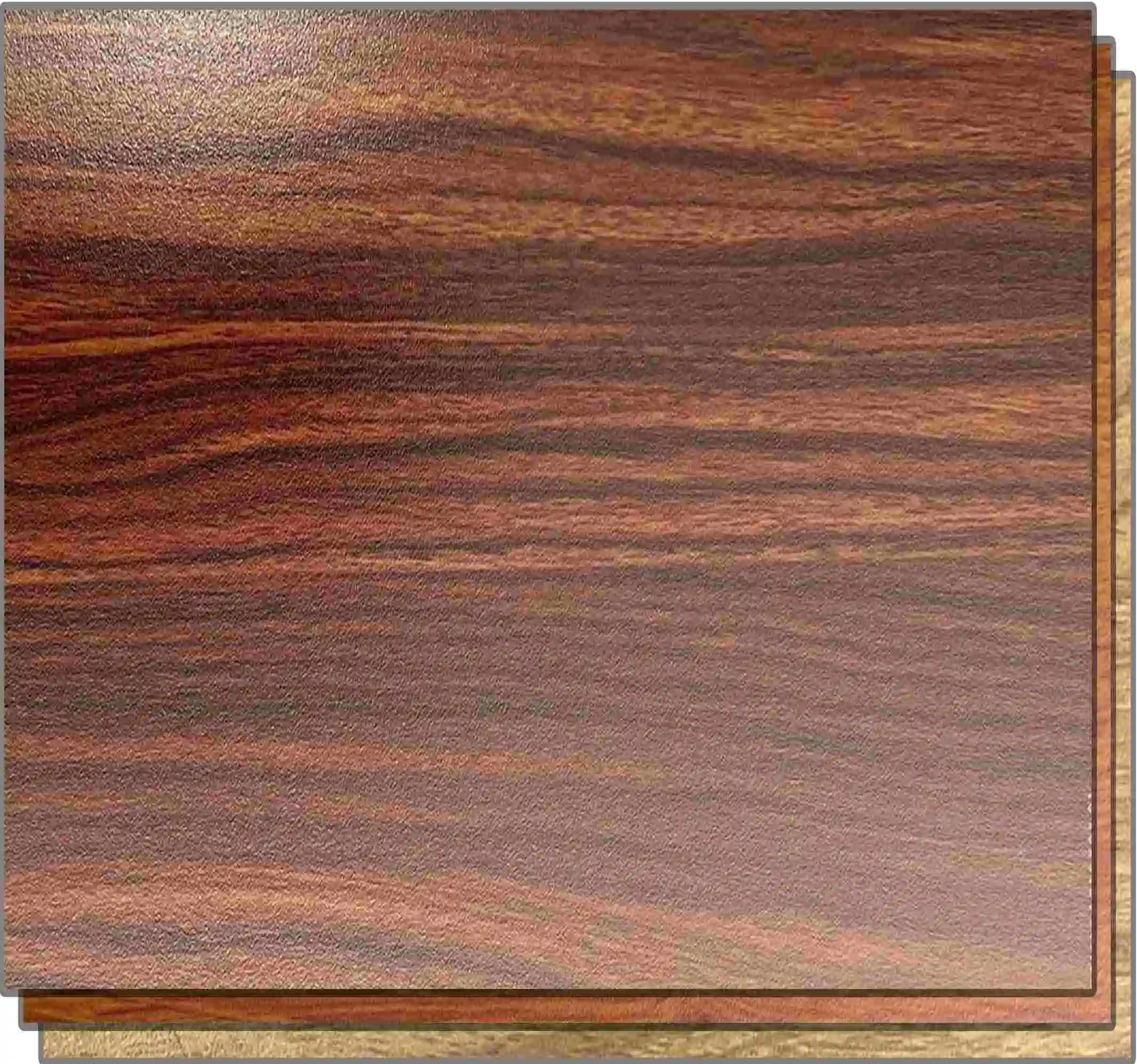
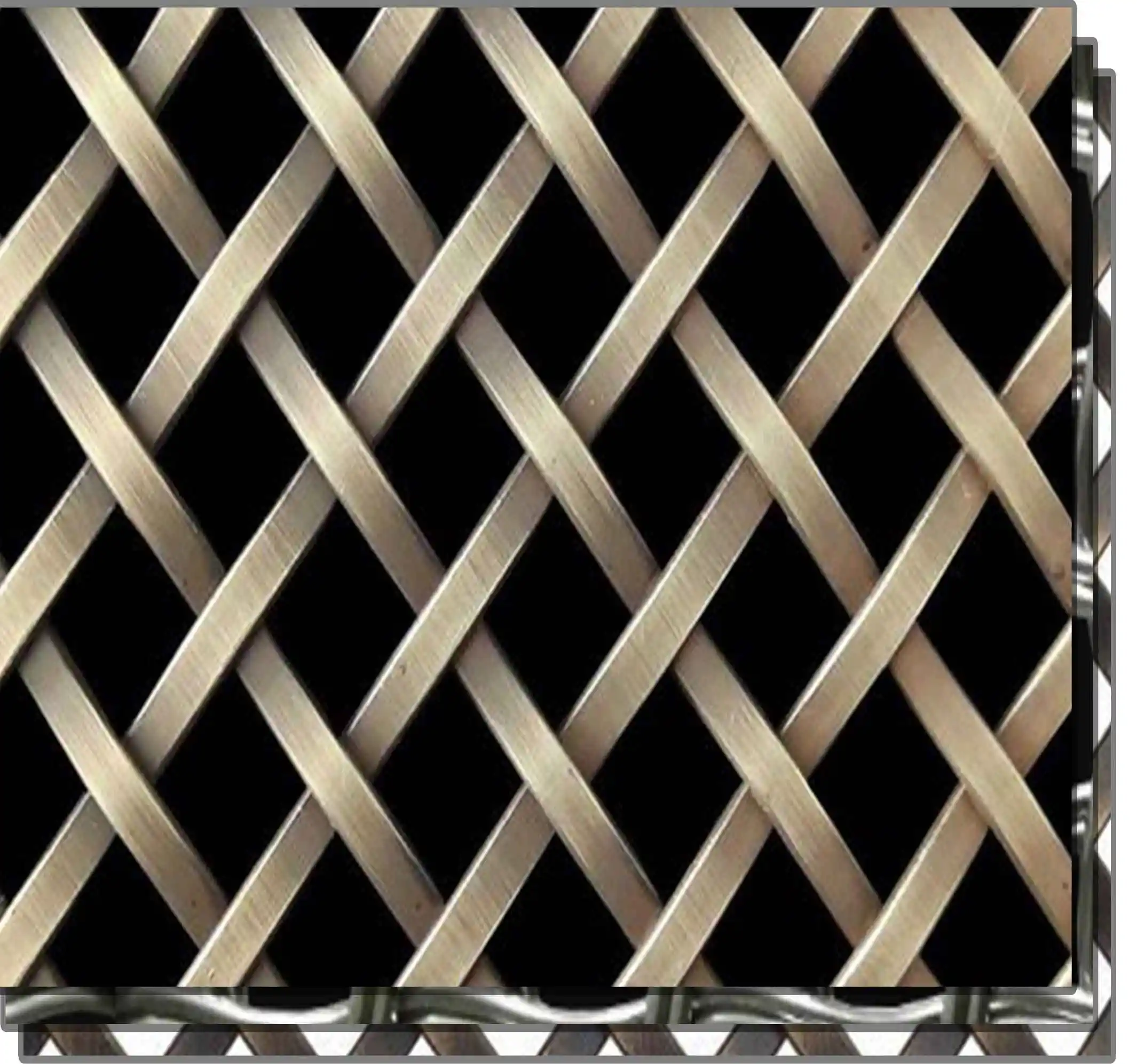
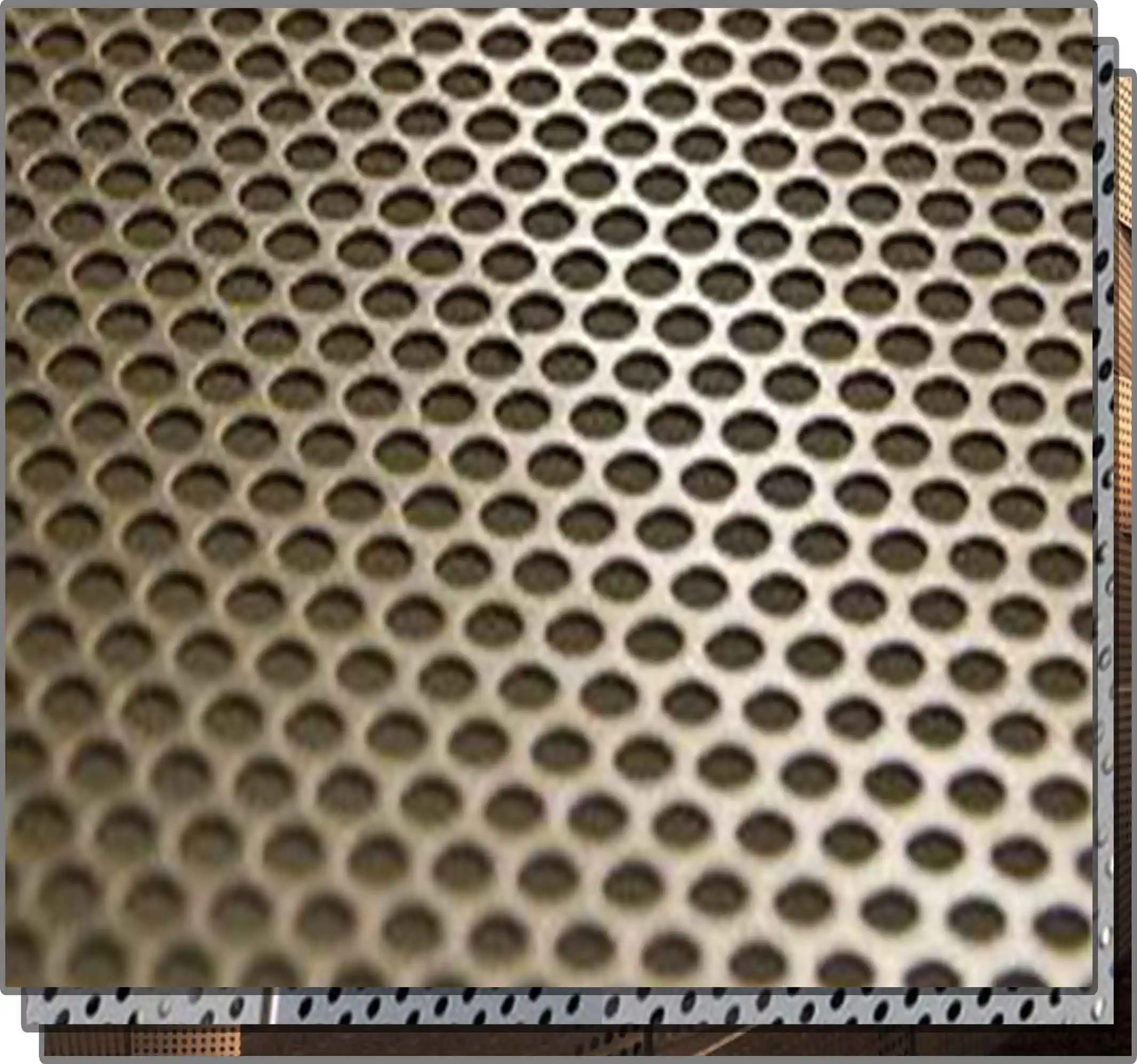
Lastly, Dekorative Kupferbleche are used to make various decorative products. The reason lies in their reddish-brown color that gives a rich and elegant look. For wall art, sculptures, light fixtures, door handles, furniture details, and decorative panels, this look matters a lot. Moreover, copper is also easier to shape. That’s why manufacturers and designers can create detailed patterns and unique designs.
5.Renewable Energy Systems
Renewable energy systems are another main user of copper. As you know, solar panels produce energy from sunlight. This copper is used in these solar panels. Additionally, you’ll also see copper being used in wind turbines, battery storage systems, electric vehicles, and so on. All these systems need to transfer a lot of electricity every day. So they need a metal that can carry power efficiently for long hours. Copper helps them conduct current effectivel.

Common Types of Copper
As you can see, copper is used widely in many industries. But it does not mean all those industries use the same copper. To meet those needs, manufacturers add different elements in different percentages. For example, copper is sometimes produced in a way that increases its electrical or thermal conductivity. However, copper is sometimes used for corrosion resistance in several applications. But keep in mind that all these types have copper as their major content. Here is a list of common copper types you will find on the market.
- Pure Copper
- Oxygen-Free Copper
- Electrolytic Tough Pitch (ETP) Copper
- Copper Alloys
Limitations of Copper
No doubt copper is one of the most reliable materials. However, it still has some shortcomings that do not limit its usability but do affect its choice in some uses. So before you choose it for any project, you must know its other side (cons).
- The first major drawback of copper is its higher initial cost. As I said above, it contains unique properties that automatically raise its cost.
- Copper is softer than metals like stainless steel and carbon steel. This makes it easier to shape, but it can also be dented and scratched more easily.
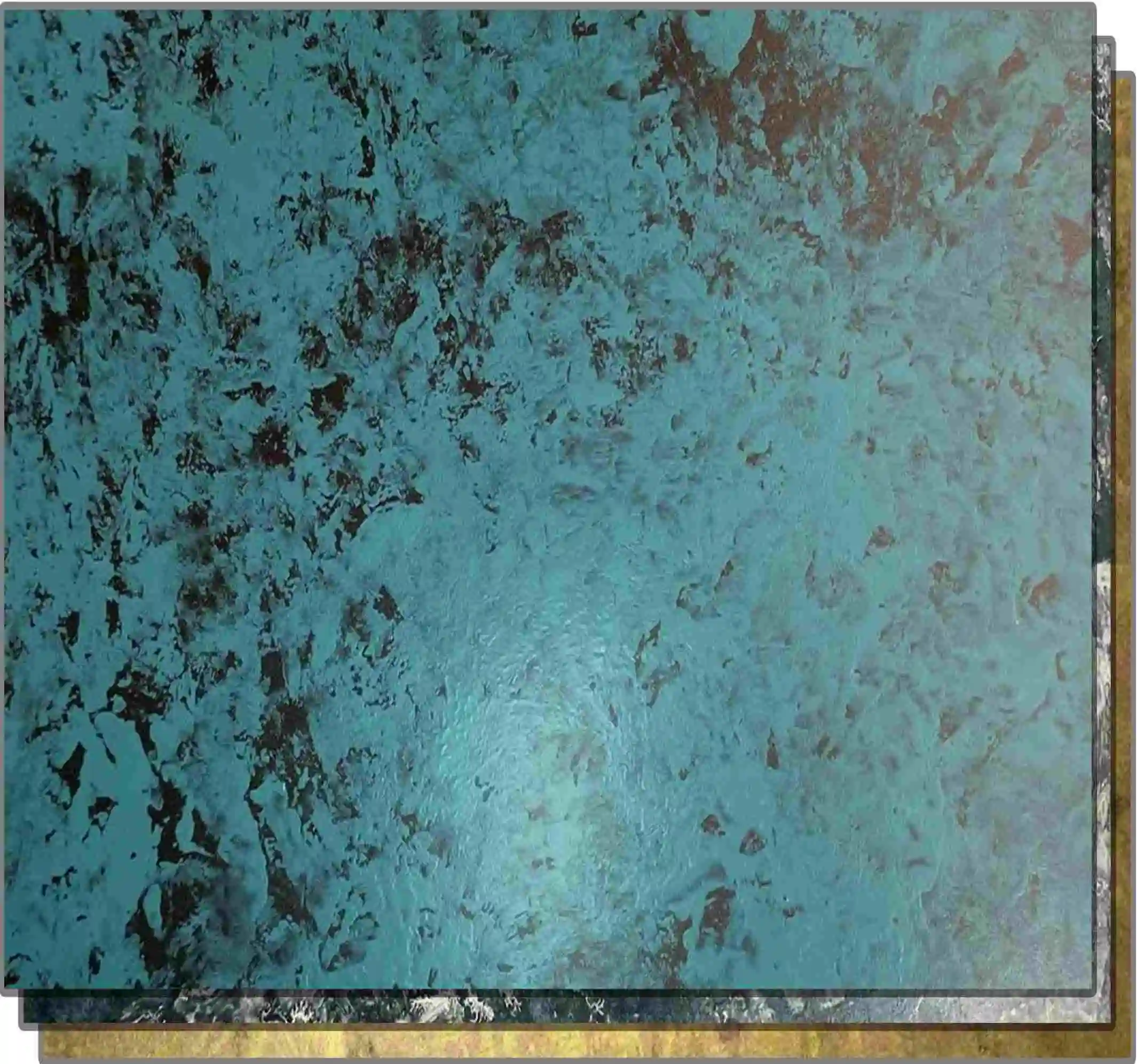
- Copper naturally changes color when it is exposed to air or water. Its reddish-brown surface develops a green protective layer called an gealterte Kupferpatina.
- Copper demands careful handling, especially when it comes into contact with other metals. This is because a reaction called galvanic corrosion can occur. This corrosion damages the copper quickly.
Schlussfolgerung
In conclusion, copper is a widely used metal with its application across various industries. This metal is well known for its ease of shaping and its electrical and thermal conductivity. That’s why, besides electrical wiring, it is used in making different patterns and complex-shaped items. Apart from this, copper has excellent visual appeal, making it a good option for making decorative items. Additionally, copper develops a patina layer, which further changes its color. In this article, I have discussed the basics of copper. You’ll also learn the popular applications of copper in different industries.
Verwandte Nachrichten
2026-10-14
2026-09-28
2026-09-15
2026-08-25