
 Sostenibilidad



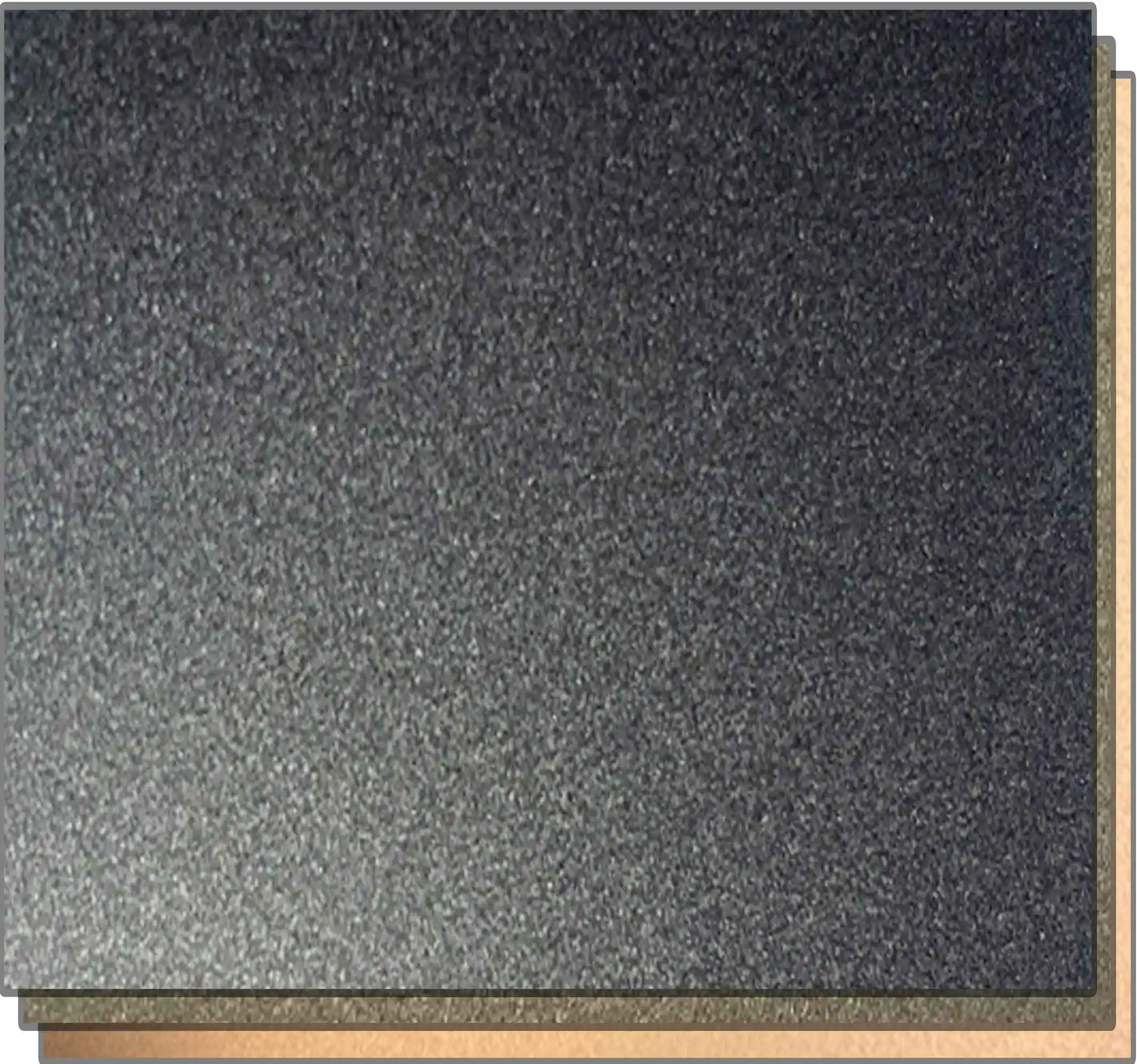
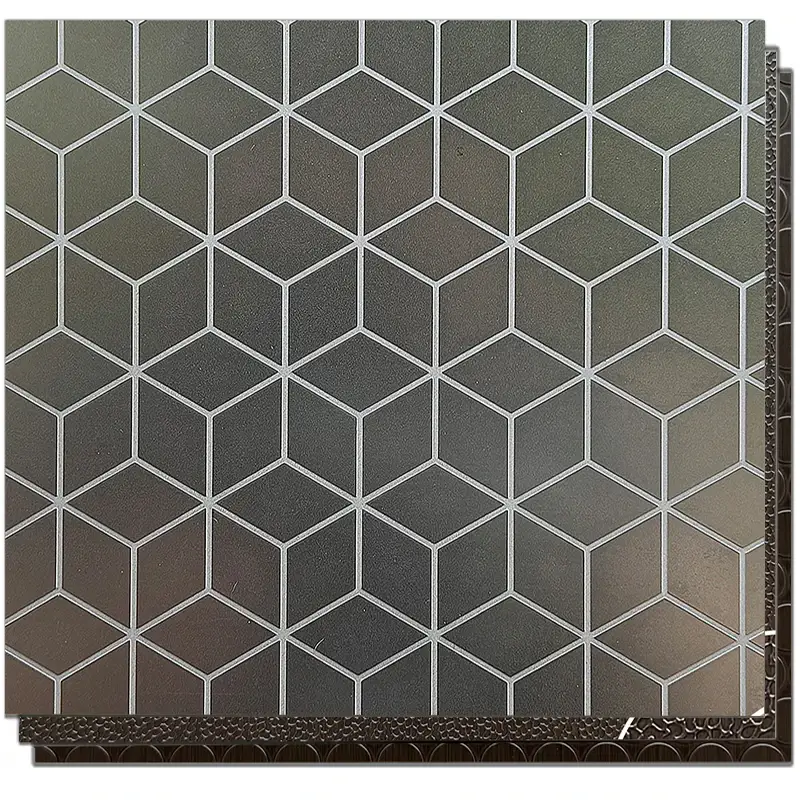

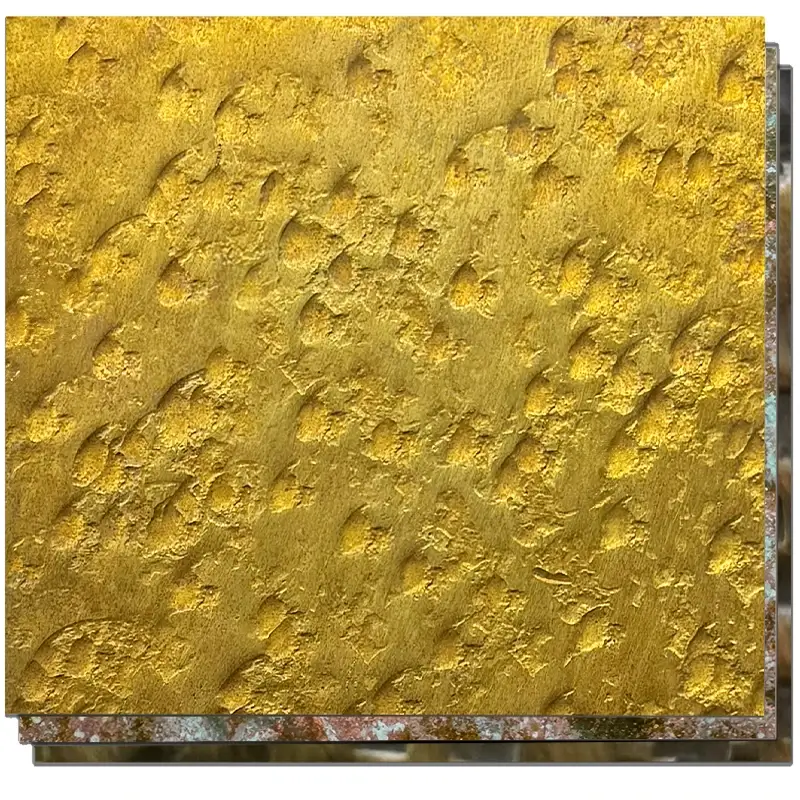

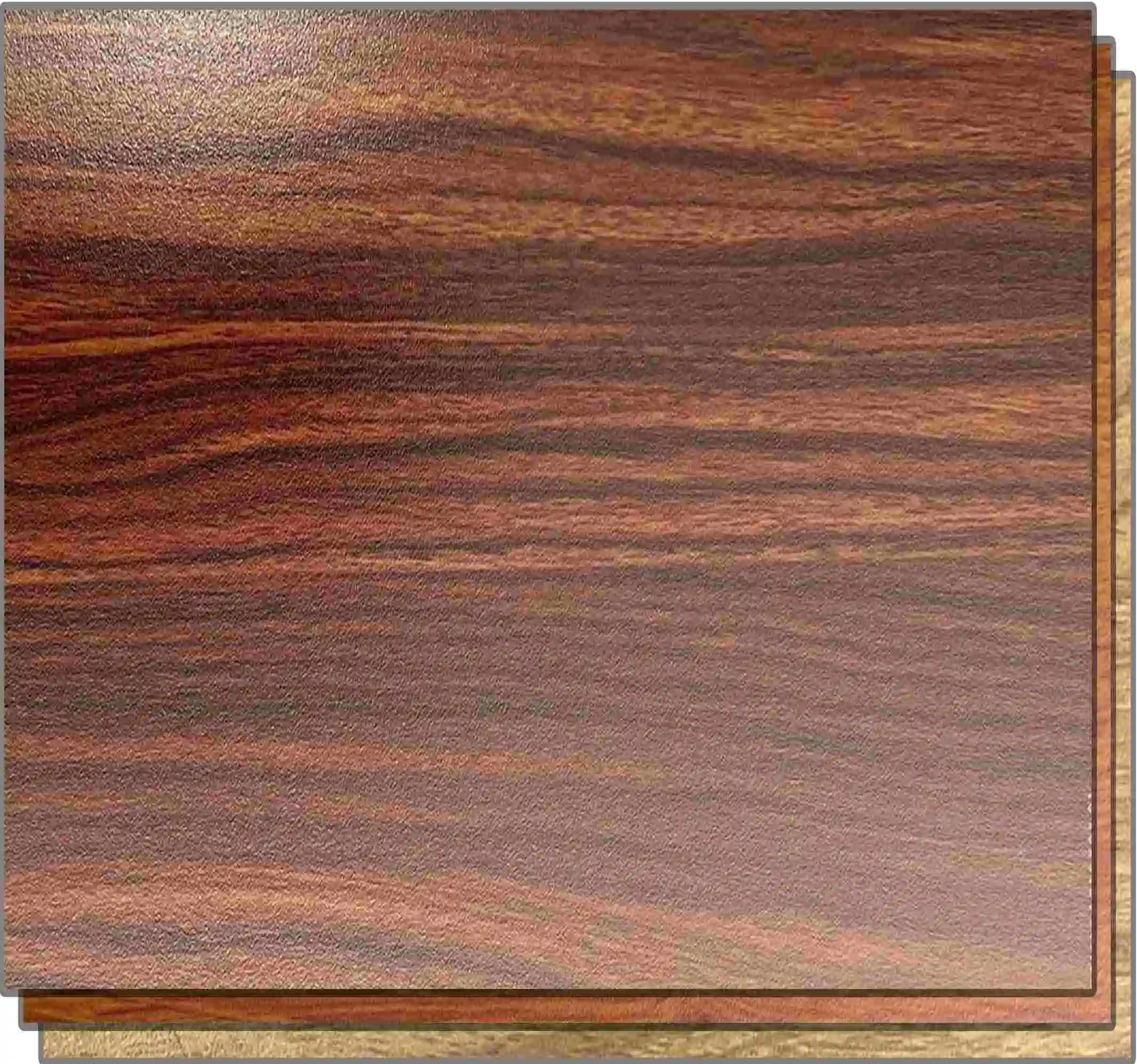
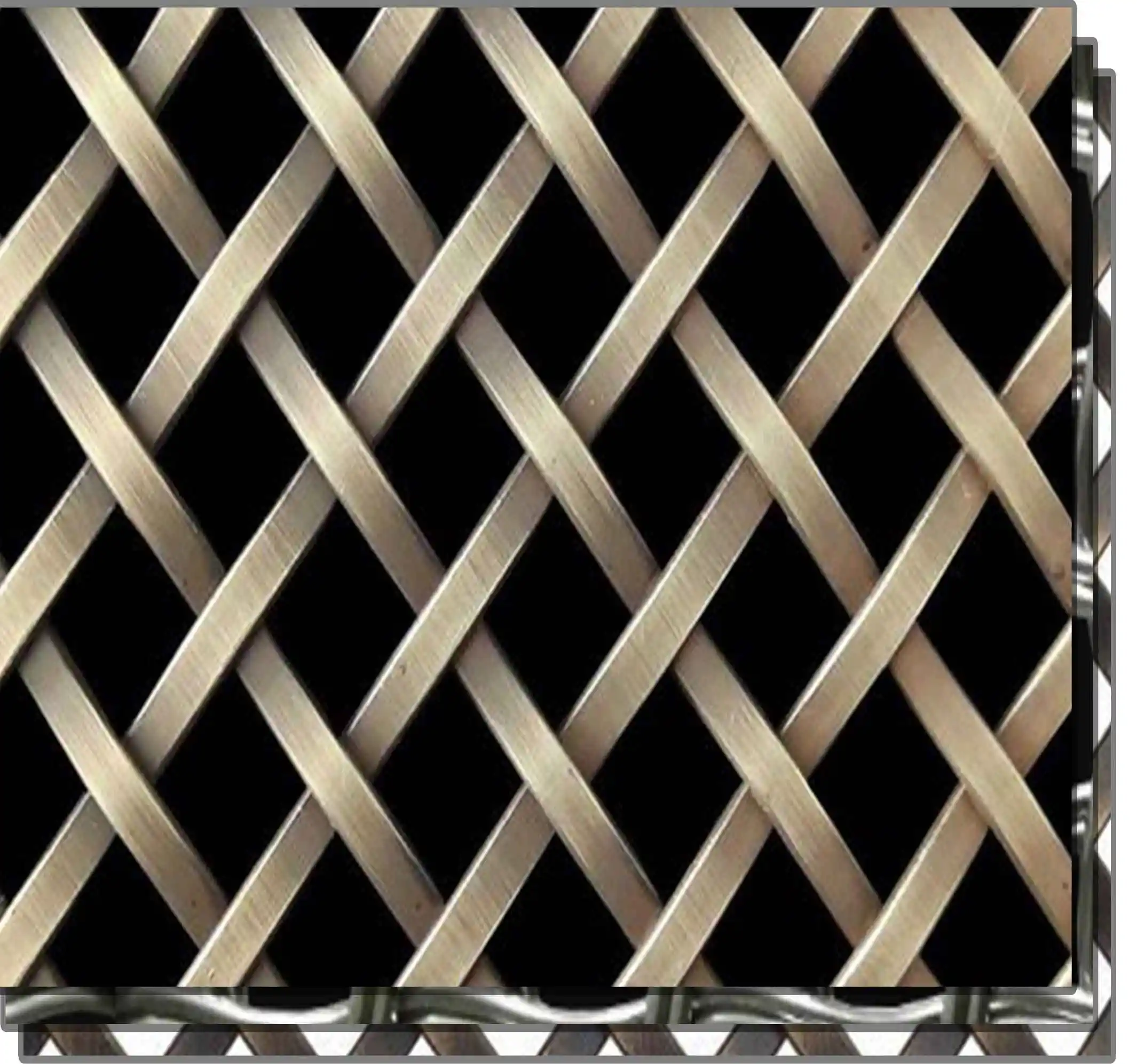
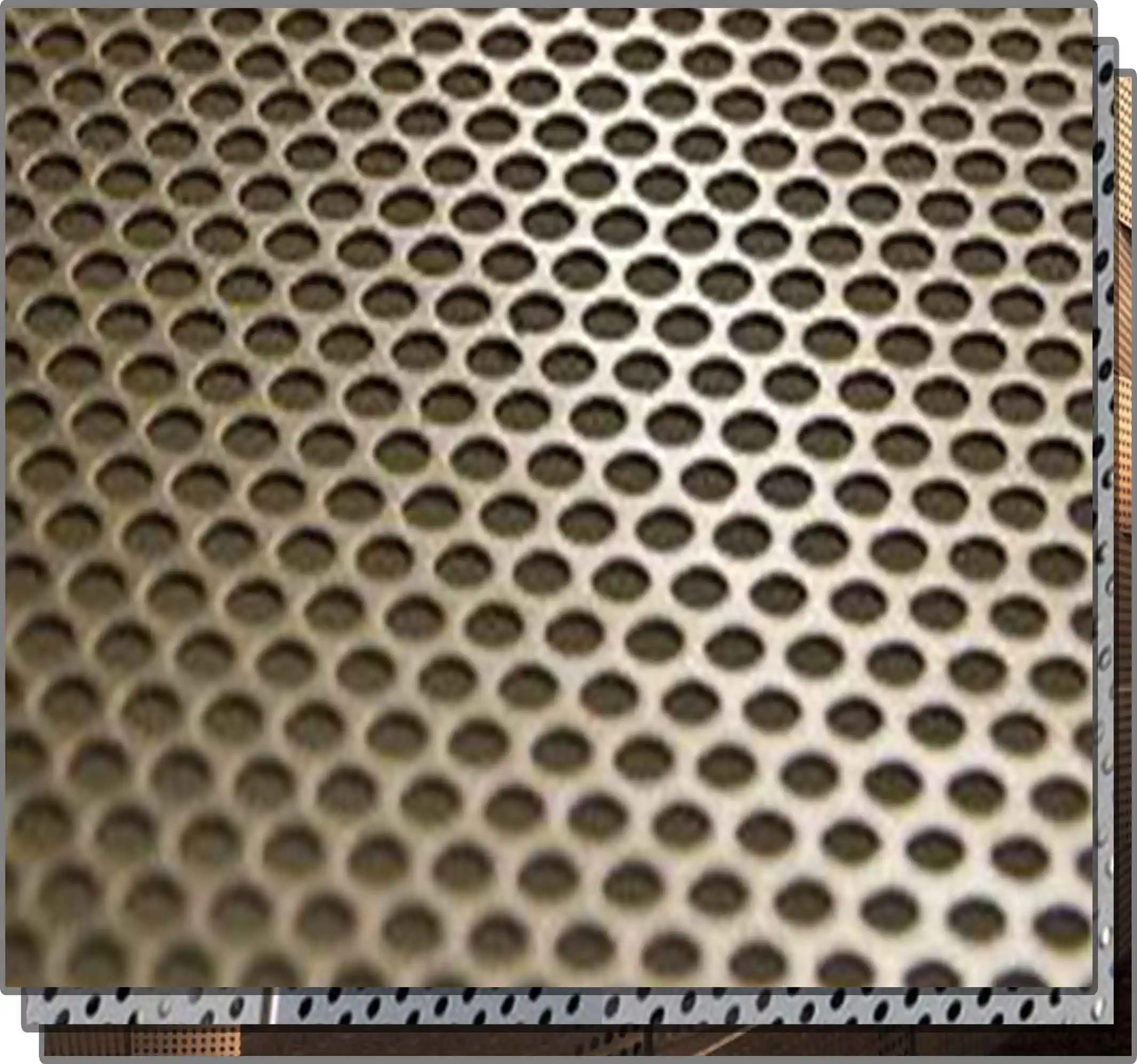
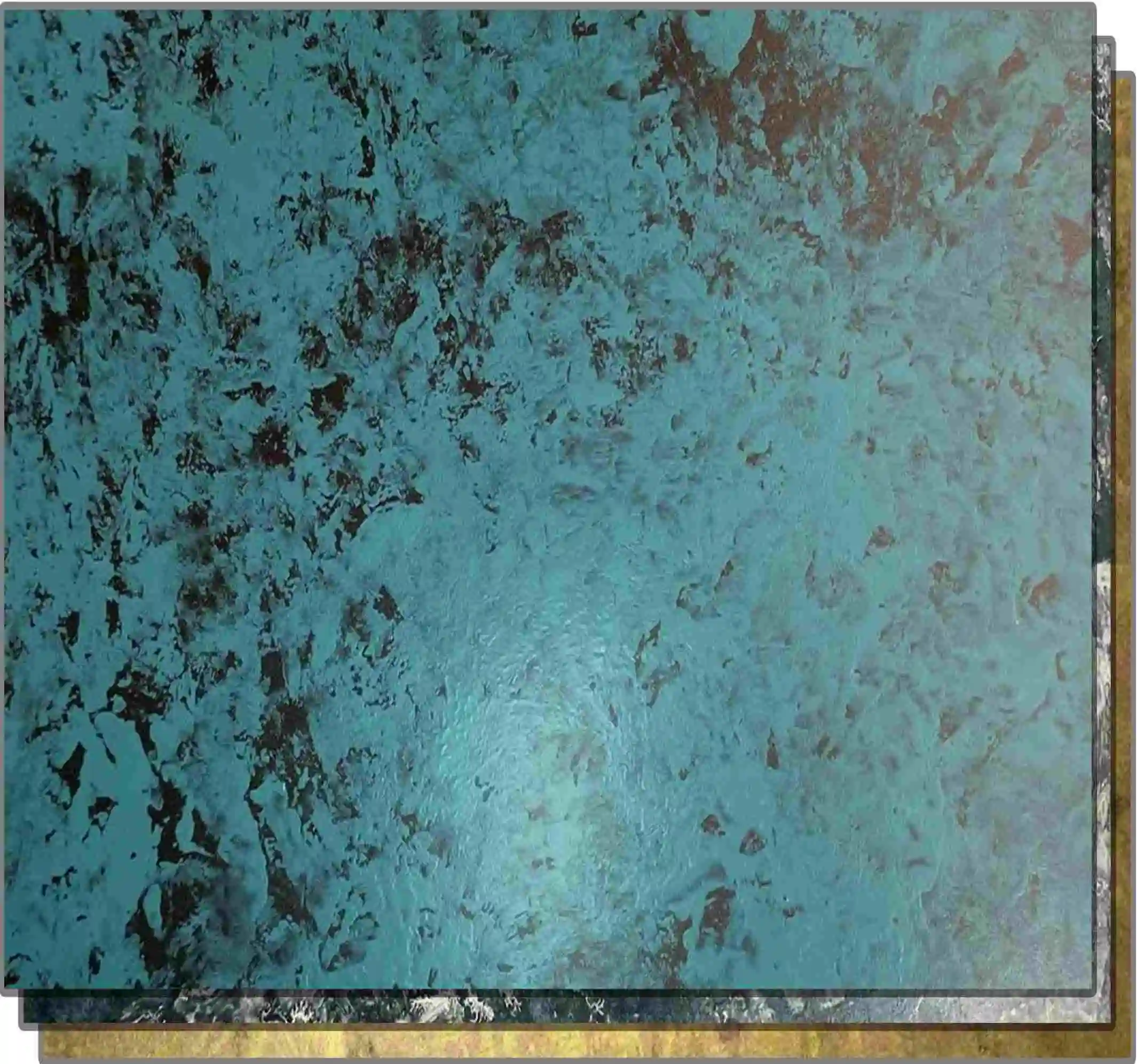





We might not notice, but metals are part of almost every product we use in our daily lives. From your home’s appliances to large industrial equipment, metal is everywhere. However, among the different metals, stainless steel stands out the most. The reason is that this metal has an attractive appearance, durability, and corrosion resistance. That’s why many people prefer stainless steel for decorative purposes. But if you are new to stainless steel, you might wonder: What is stainless steel made of, and what makes it so popular? If so, worry not! This guide on metal will make things clear for you. I will discuss everything about stainless steel, from properties to uses. So let’s get started.
What Is Stainless Steel Made Of?
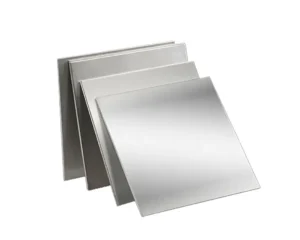
Stainless steel is a metal made by mixing iron with chromium. Iron makes up the majority of stainless steel. However, chromium provides corrosion resistance, which is a major property of stainless steel. Besides these two, small amounts of other elements, such as nickel, molybdenum, carbon, and manganese, are also present.
You might have heard that stainless steel is known for its durability, strength, and attractive look. All these properties come from the element it contains. Among those, the major element is iron, which is added as needed. Then there’s chromium, which protects stainless steel from rust. How? Actually, it forms an oxide layer when it comes into contact with water or oxygen. This layer acts as a protective shield, preventing the surface from further rusting.
But manufacturers also add elements such as nickel, molybdenum, carbon, manganese, and nitrogen. Each of these elements gives distinct properties to the stainless steel. For example, nickel further improves the corrosion resistance. At the same time, molybdenum helps it perform better in harsh environments. Similarly, carbon increases hardness, allowing stainless steel to resist everyday wear and tear.
| Element | Composition (%) |
|---|---|
| Hierro | Primary Component (higher proportion) |
| Cromo | From 10.5 up to 30% |
| Níquel | 8 – 14% |
| Carbono | Around 1.2% |
| Molibdeno | 2 – 3% |
| Manganeso | Less than 2% |
| Silicio | 0–1% |
| Nitrógeno | Around 0.5% |
Properties of Stainless Steel
The unique composition of stainless steel makes it a popular choice for many products. However, manufacturers prefer it for making decorative items for its durability and reliability. But that’s not all. Here are more properties that make stainless steel stand out.
-
Attractive Appearance
One of the main reasons stainless steel is best for decorative items is its aesthetic look. This appearance does not come artificially. Instead, it naturally gains this due to different alloying elements. There is no need for extra coating or paint.
-
Corrosion Resistance
The second top-notch property of stainless steel is its corrosion resistance. As I said above, it contains about 10% chromium. Chromium forms the oxide layer when exposed to oxygen. This oxide layer prevents the surface from rust and corrosion. As a result, a decorative item used even in outdoor conditions remains shiny for a long time.
-
Long-Lasting Beauty
The shiny and attractive appearance of stainless steel lasts for years. Instead, it maintains this beauty for many years with little maintenance. Unlike some materials that can fade, rust, peel, or lose their shine over time. Stainless steel has a strong surface that can handle daily use without quickly showing signs of aging.
-
Easy Maintenance
Stainless steel is much easier to maintain than many other metals. Architects prefer this property for making decorative items. Actually, it does not easily rust. That’s why there is no need to apply special coatings. Secondly, it maintains its shiny surface for a long time. Hence, general cleaning is enough to keep it in its original condition.
-
Different Surface Finishes
Lastly, an interesting property of stainless steel is that it comes in many finishes. It can have a bright mirror finish, a soft brushed finish, or a smooth satin finish. Each finish creates a different look, which is the main thing for decorative applications. Architects, designers, and manufacturers can choose the finish that best matches their needs.
Uses of Stainless Steel
Due to such huge durability, reliability, and shiny appearance, stainless steel is used in many areas around the world. It performs well where ordinary metals fail. So let’s dive in and discuss the industries where the usability of stainless steel is very common.
1. Kitchen Equipment
The first main use of stainless steel is in making kitchen equipment. This equipment needs to be durable and, at the same time, hygienic. Stainless steel has a smooth surface and does not easily absorb food, liquids, or odors. So it is easier to maintain good hygiene. Also, kitchen equipment is exposed to humidity and rust. But stainless steel effectively resists all this. That’s why it is used in making sinks, cookware, cutlery, countertops, kitchen shelves, and storage cabinets.
2. Building Decorations
Secondly, stainless steel is also widely used to enhance the aesthetics of modern buildings. Polished stainless steel is used to make handrails, wall panels, elevators, and decorative screens. As I said above, it has a smooth appearance that adds style to the space. In addition, stainless steel does not rust easily, so it remains attractive as a decorative piece in both indoor and outdoor settings.

3. Medical Instruments
Medical instruments demand a higher level of hygiene. That is provided by stainless steel. How? Actually, it has a non-porous surface that doesn’t allow any bacteria to enter. As a result, the risk of contamination in surgical devices is reduced. Also, it can be cleaned and sterilized many times without getting damaged or rusty. So many tools, such as surgical instruments, scissors, forceps, trays, and medical trolleys, are made from stainless steel.
4. Automotive Industry
Another major user of stainless steel is the automotive industry because it is strong, durable, and does not rust easily. You can find it in exhaust systems, mufflers, trim pieces, fuel tanks, door handles, and many other vehicle parts. All these parts are often exposed to rain, mud, heat, and changing weather conditions. That’s why they need a material that can handle all these conditions. Stainless steel perfectly matches these needs.
5. Food Processing Equipment
Now, it comes to food processing equipment, where stainless steel is widely used. This includes mixing tanks, storage containers, food preparation tables, conveyor belts, and pipes. During food production, equipment comes into contact with water, oils, acids, and food ingredients every day. Stainless steel can handle these conditions without rusting or affecting the food. Also, it does not react with food items, so the food’s quality and taste remain the same.
6. Chemical Plants
Lastly, in chemical plants, stainless steel is a major part. Its ability to withstand harsh conditions makes it reliable for chemical plants. It is commonly used to make storage tanks, pipes, valves, reactors, pumps, and heat exchangers. In these systems, many types of harsh chemicals pass. But stainless steel can effectively handle them without the risk of bursting or corrosion.
Conclusión
Metals are an essential part of our daily lives. Each of these metals has its own strengths and weaknesses. For example, stainless steel is highly durable, rust-resistant, shiny, and long-lasting. That’s why architects and designers use it to make different decorative items. What I like about stainless steel is its ability to resist corrosion. It has a higher amount of chromium content in its composition, which forms a chromium oxide layer. This layer is responsible for improving the durability of this steel type. In this article, I have discussed everything about the composition, properties, and uses of stainless steel.
Noticias relacionadas
2026-10-27
2026-10-14
2026-09-28
2026-09-15