
 Sostenibilità
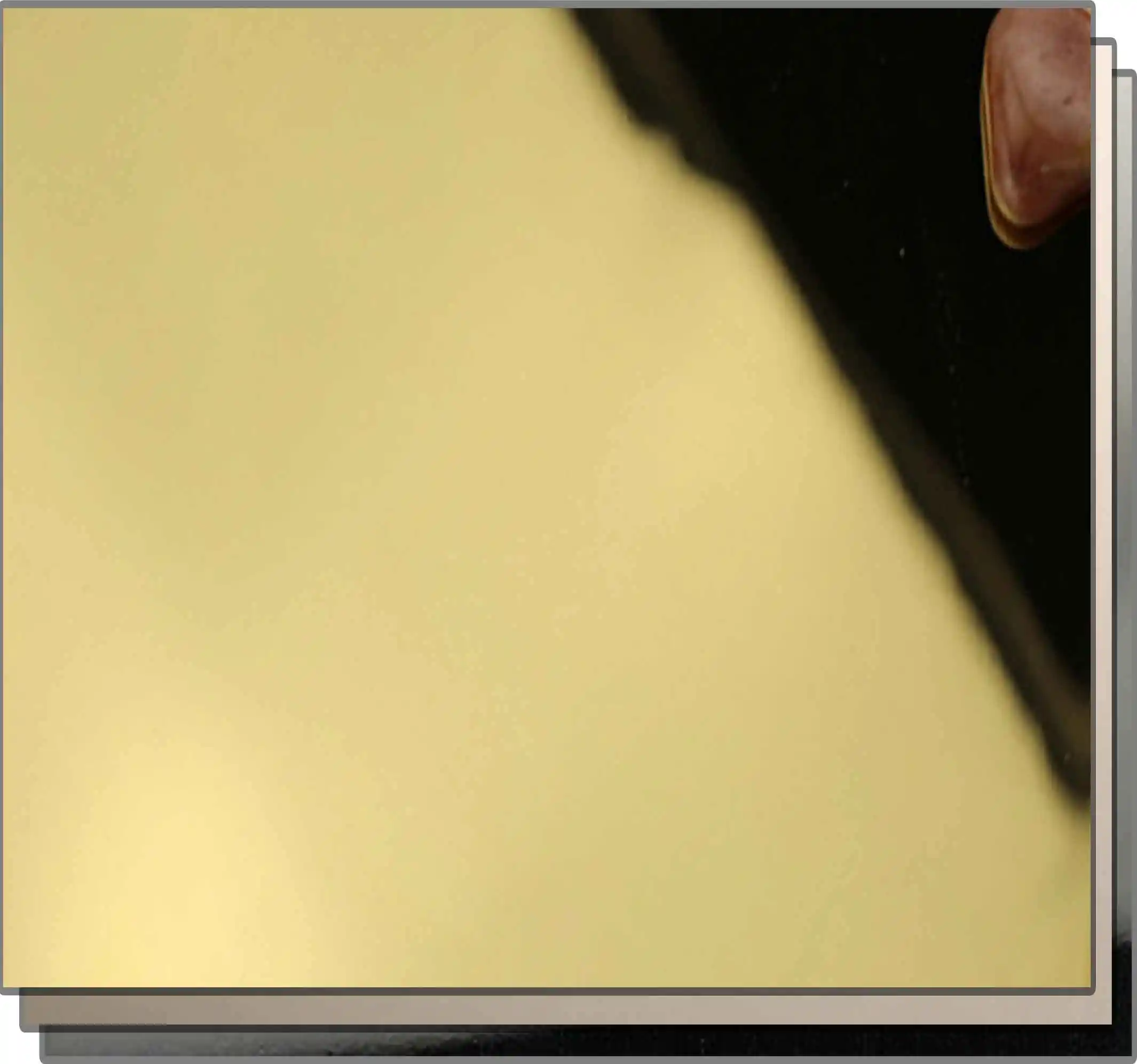
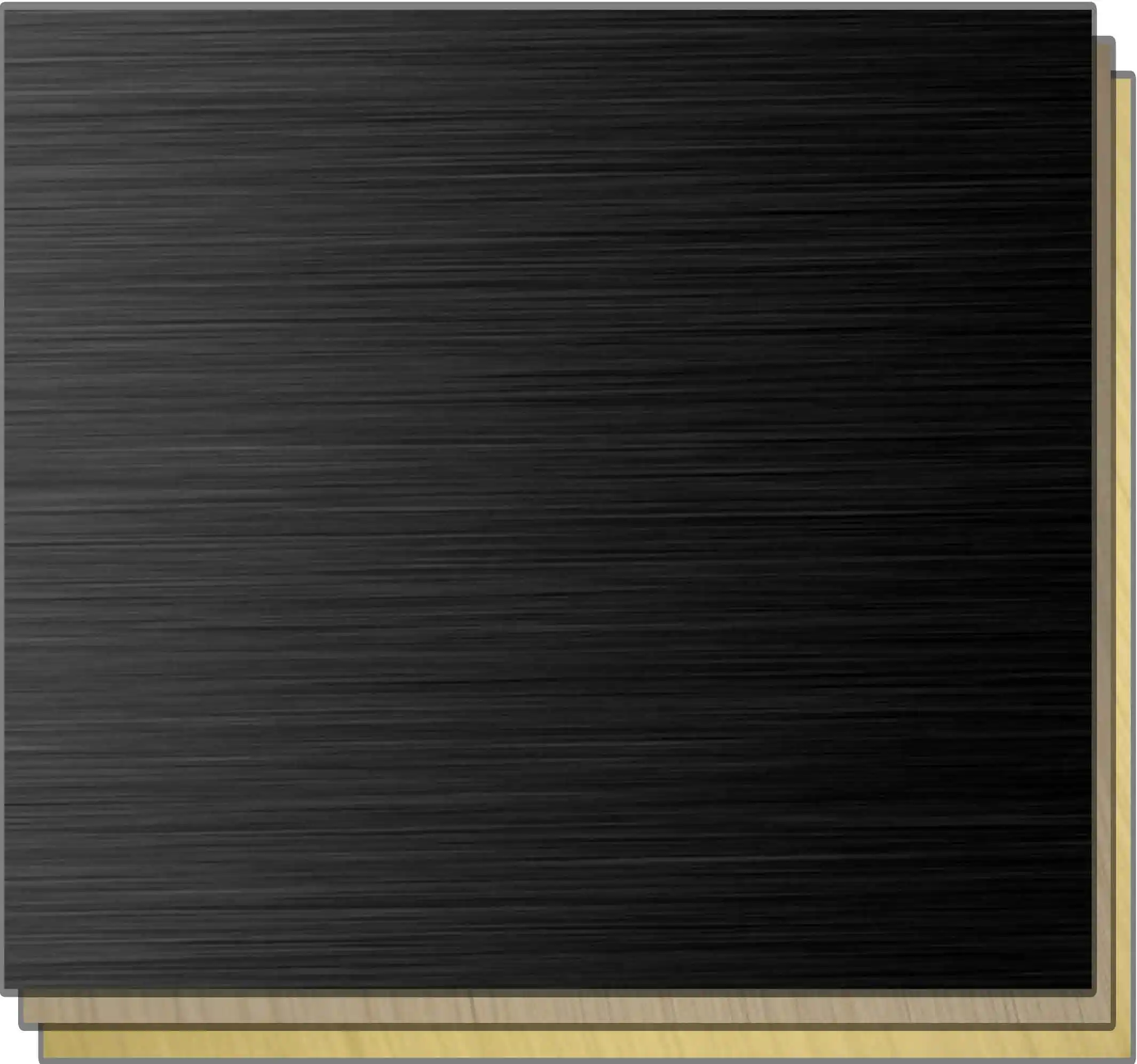
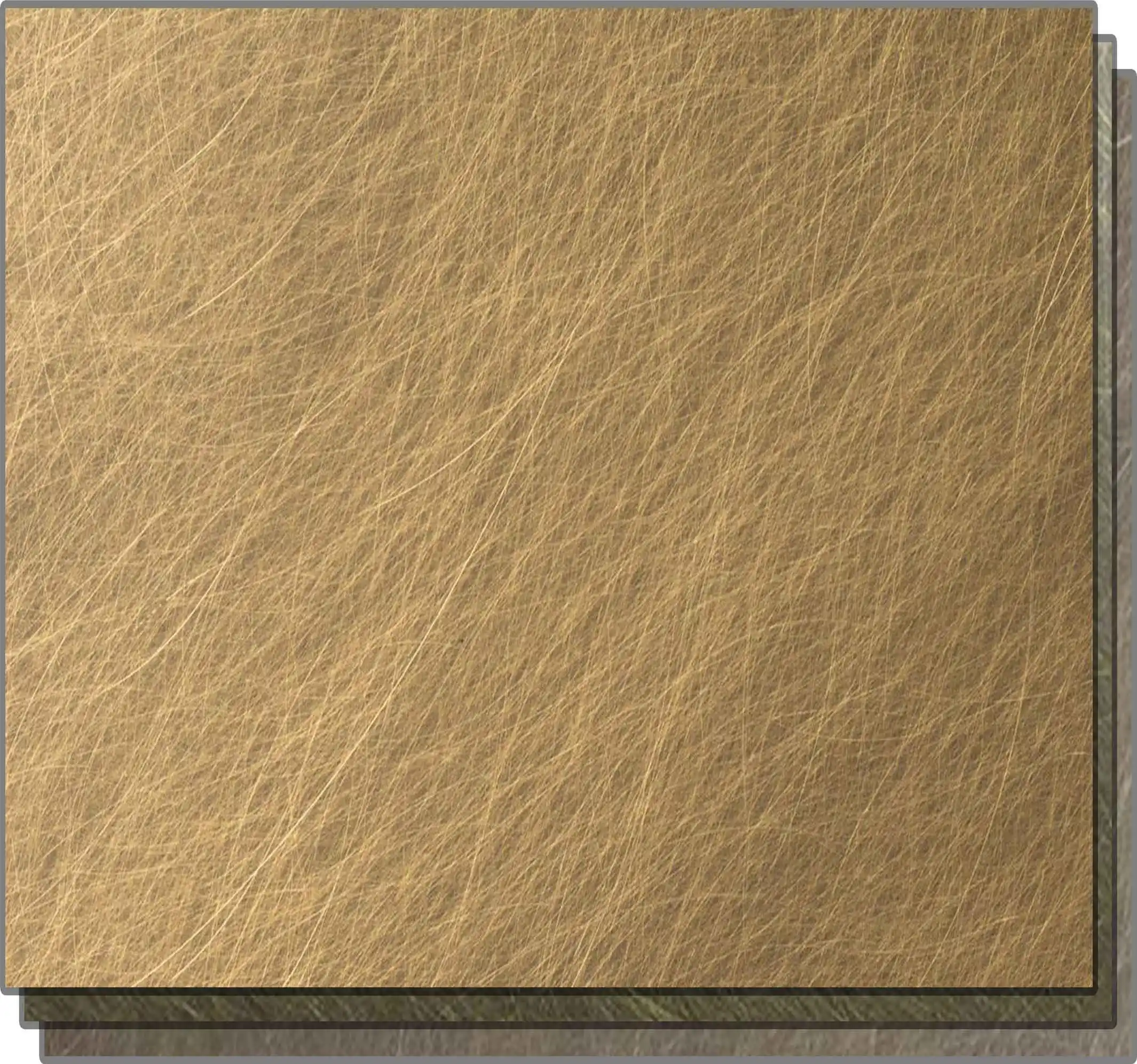
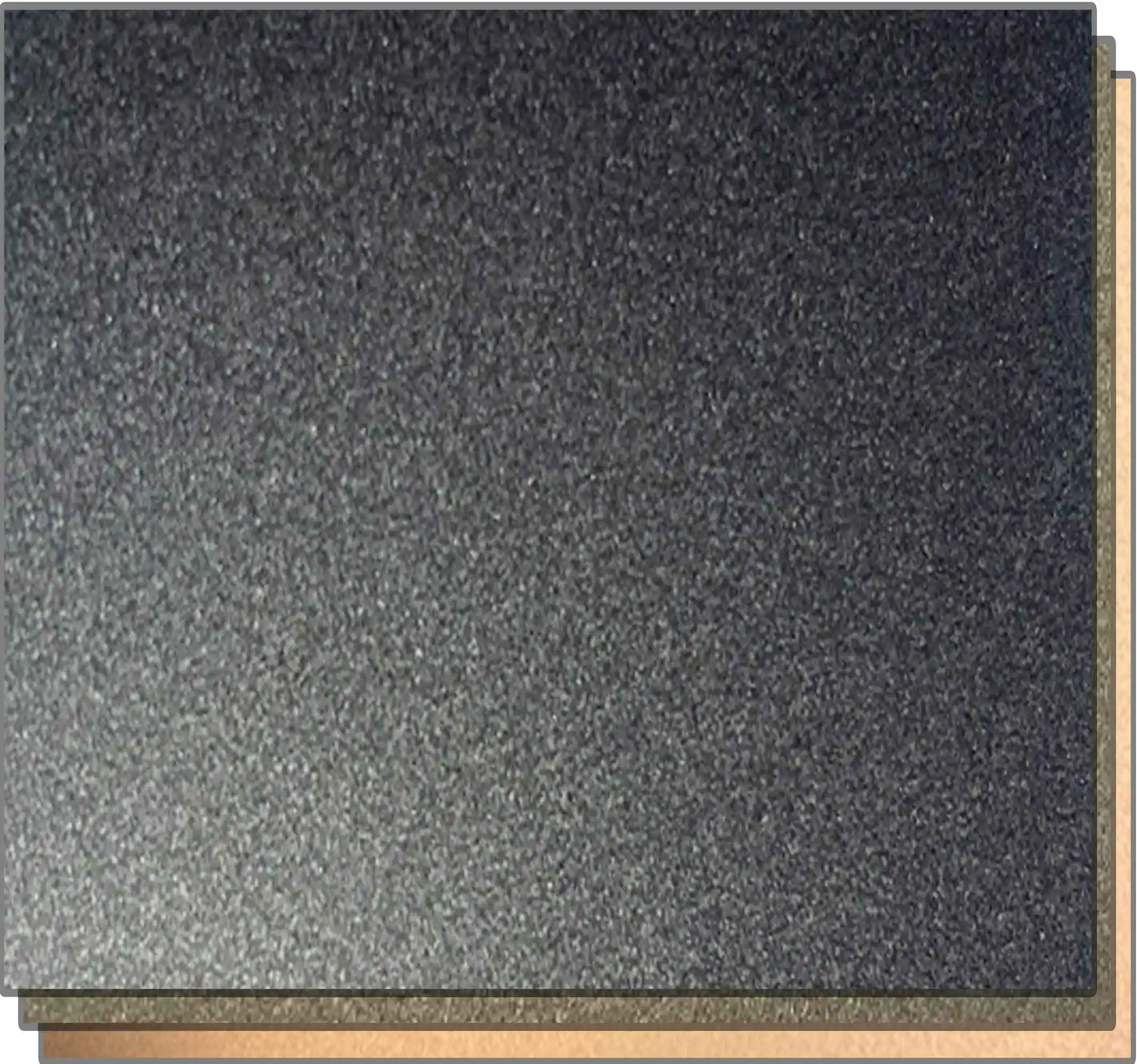
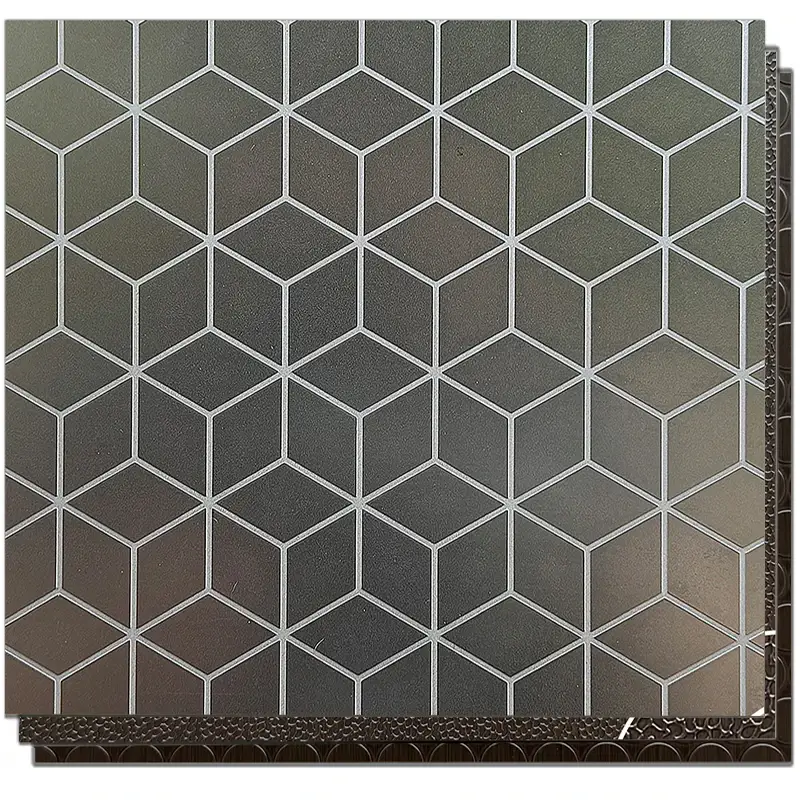

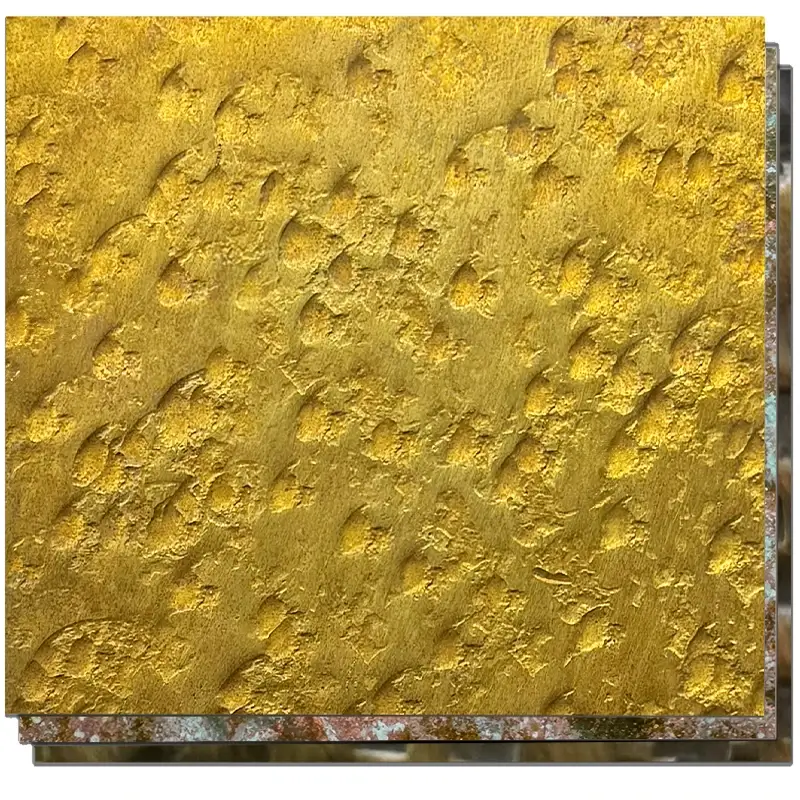
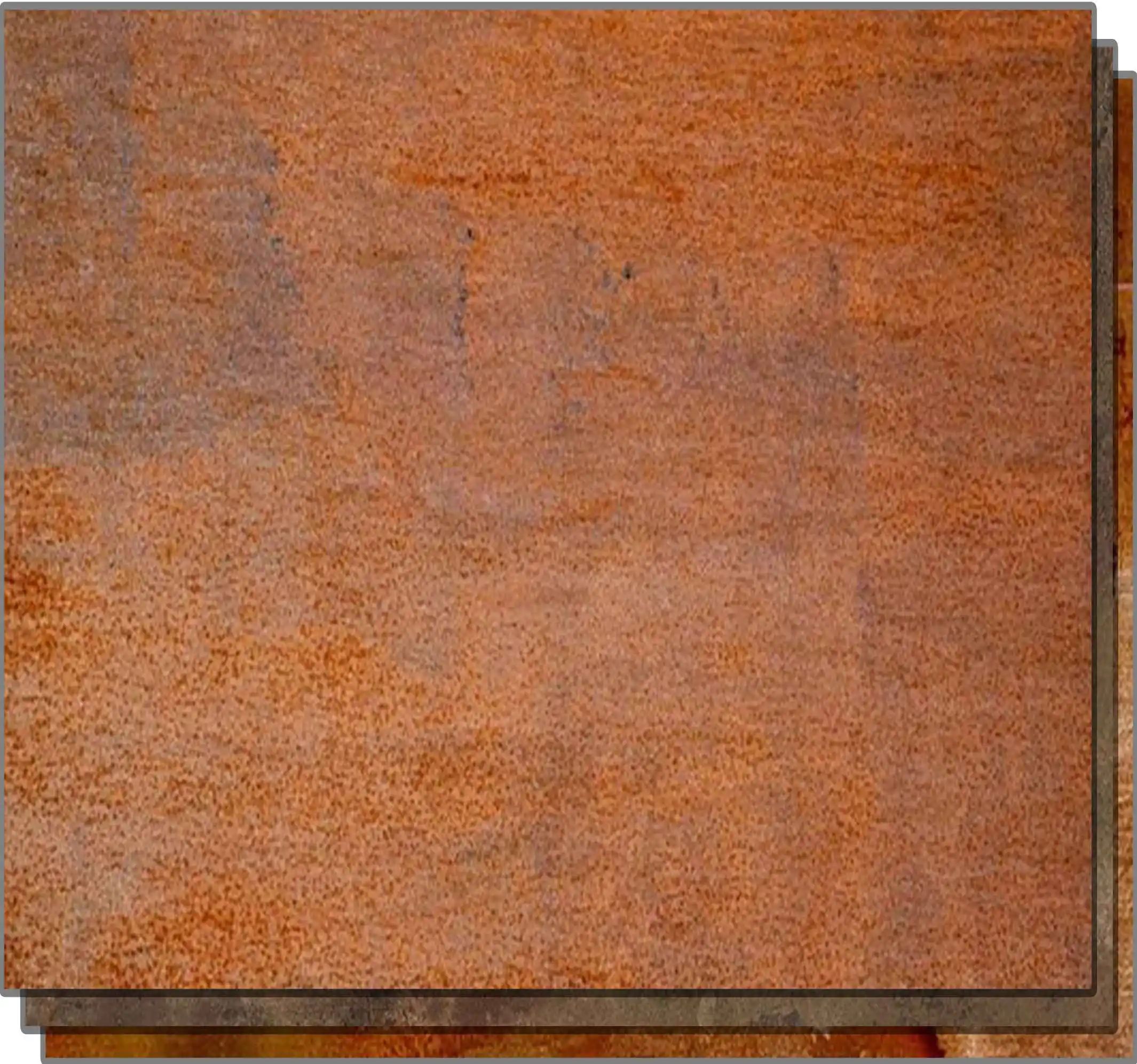
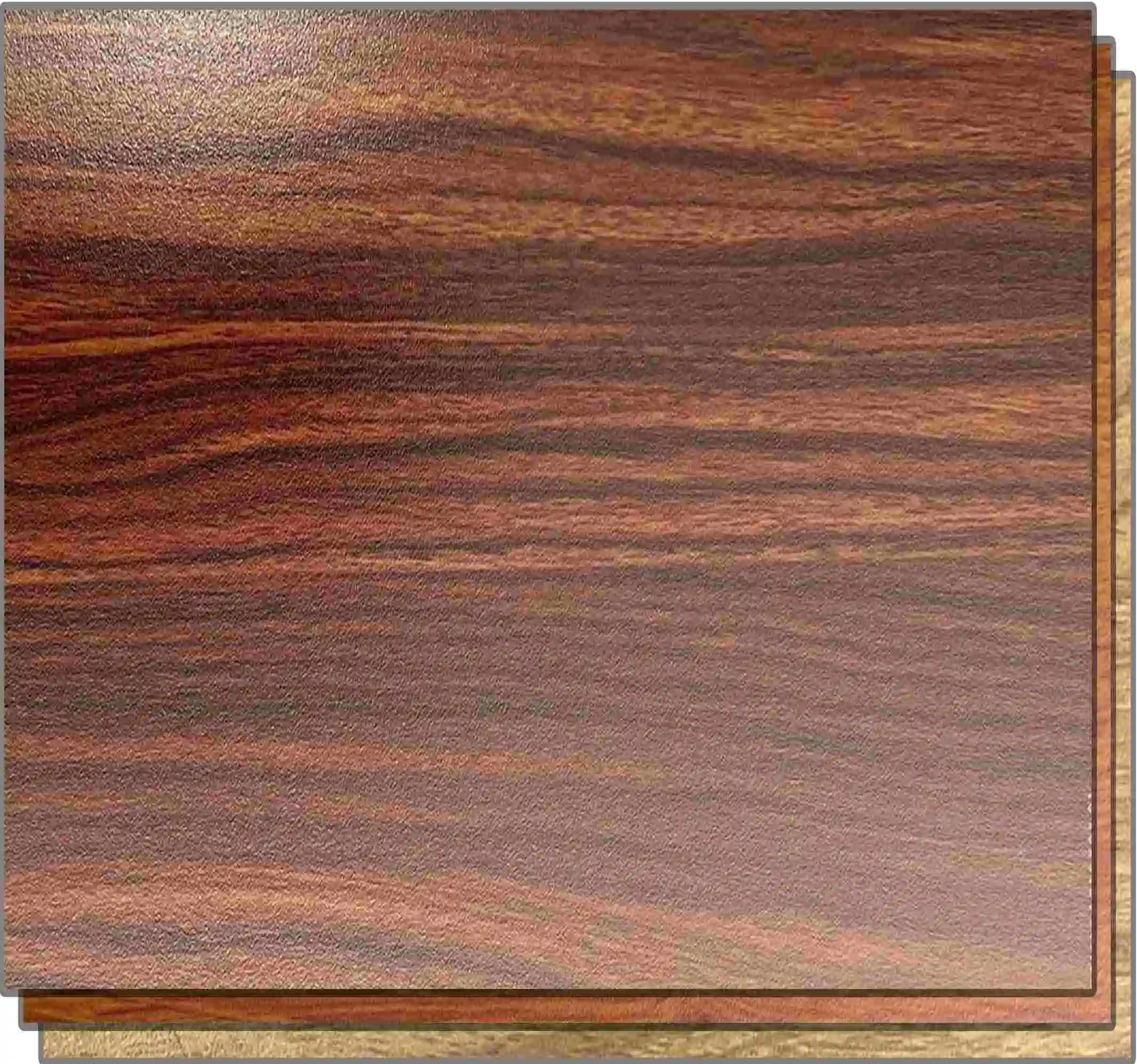



When you are designing an interior, every small detail changes the whole look of a space. The color, finish, and texture of a material you choose highly affect the overall look. For interior design, you will often come across antique copper stainless steel and real copper. But the question is: Antique copper stainless steel vs real copper: Which Is Better for Interior Projects? If you feel confused, don’t worry! In this guide, I will compare both materials head to head. So let’s get started.
Overview of Antique Copper Stainless Steel & Real Copper
Before we look into differences, I will first help you understand the basics of these two materials.
Copper and antique copper stainless steel are two different materials. Antique copper stainless steel is actually stainless steel with a specific finish. Different finishing processes make stainless look like copper. This makes stainless steel look more like copper while keeping its properties. These include strength, better corrosion resistance, and so on. Copper itself is a pure metal with a reddish-orange metallic feel.
Copper has excellent electrical conductivity. That’s why this material is widely used in different electrical parts and products. However, this material is soft and has compromised corrosion resistance under harsh conditions. That’s why manufacturers have developed antique copper stainless steel material. This material is actually stainless steel, not copper. However, it is called copper because of its visual appeal.
Manufacturers use different post-processing techniques to change the appearance of this stainless steel. These include coatings, color techniques, surface treatments, and more. Through these processes, stainless steel takes on a warm, reddish-brown appearance. This resembles copper more, despite its internal material being stainless steel. People who want a copper-like look with better durability prefer antique copper stainless steel.
Importance of Antique Copper Stainless Steel

As you know, stainless steel has over 10.5% chromium. When exposed to oxygen, this chromium forms a chromium oxide layer on the steel’s surface. This layer protects the material from corrosion and rusting. This chromium oxide layer is self-healing. If it gets scratched, it heals quickly, protecting the stainless steel more effectively.
This means antique copper stainless steel has better protection and performance. Copper, on the other hand, is a pure metal with a reddish-orange color. Additionally, copper also ages and forms a patina layer on its surface. Patina makes copper more greenish. This patina layer makes copper more resistant to corrosion. Still, it is not self-healing and is less effective than a chromium oxide layer. That’s why many prefer using antique copper stainless steel over real copper.
Antique Copper Stainless Steel vs. Real Copper: Key Differences
There is no doubt that both antique copper stainless steel and real copper enhance an interior’s beauty. However, they don’t perform in the same way. Their overall look, cost, and appearance vary a lot. Let’s look at what sets these two materials apart.

1- Appearance & Aesthetic Appeal
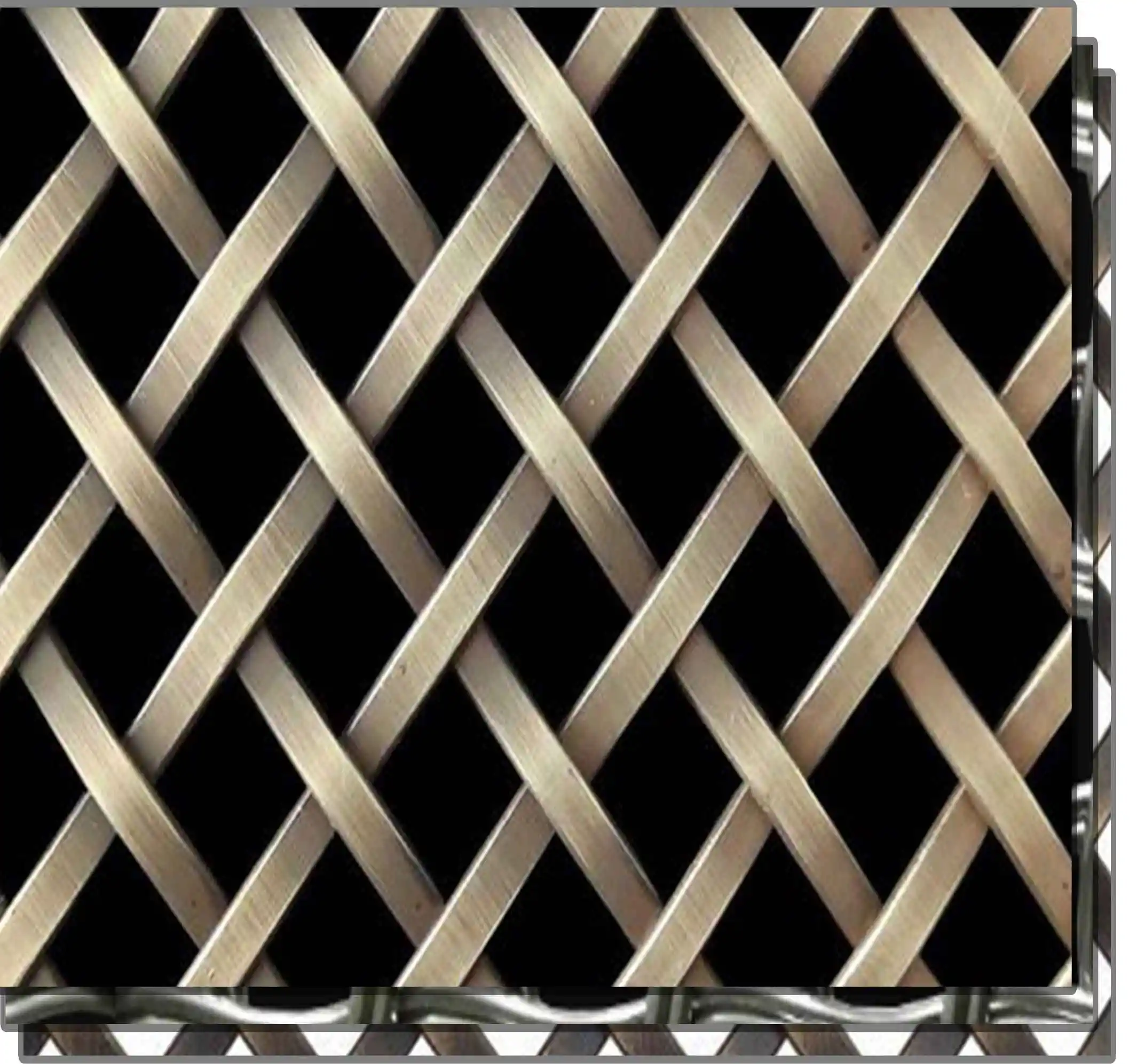
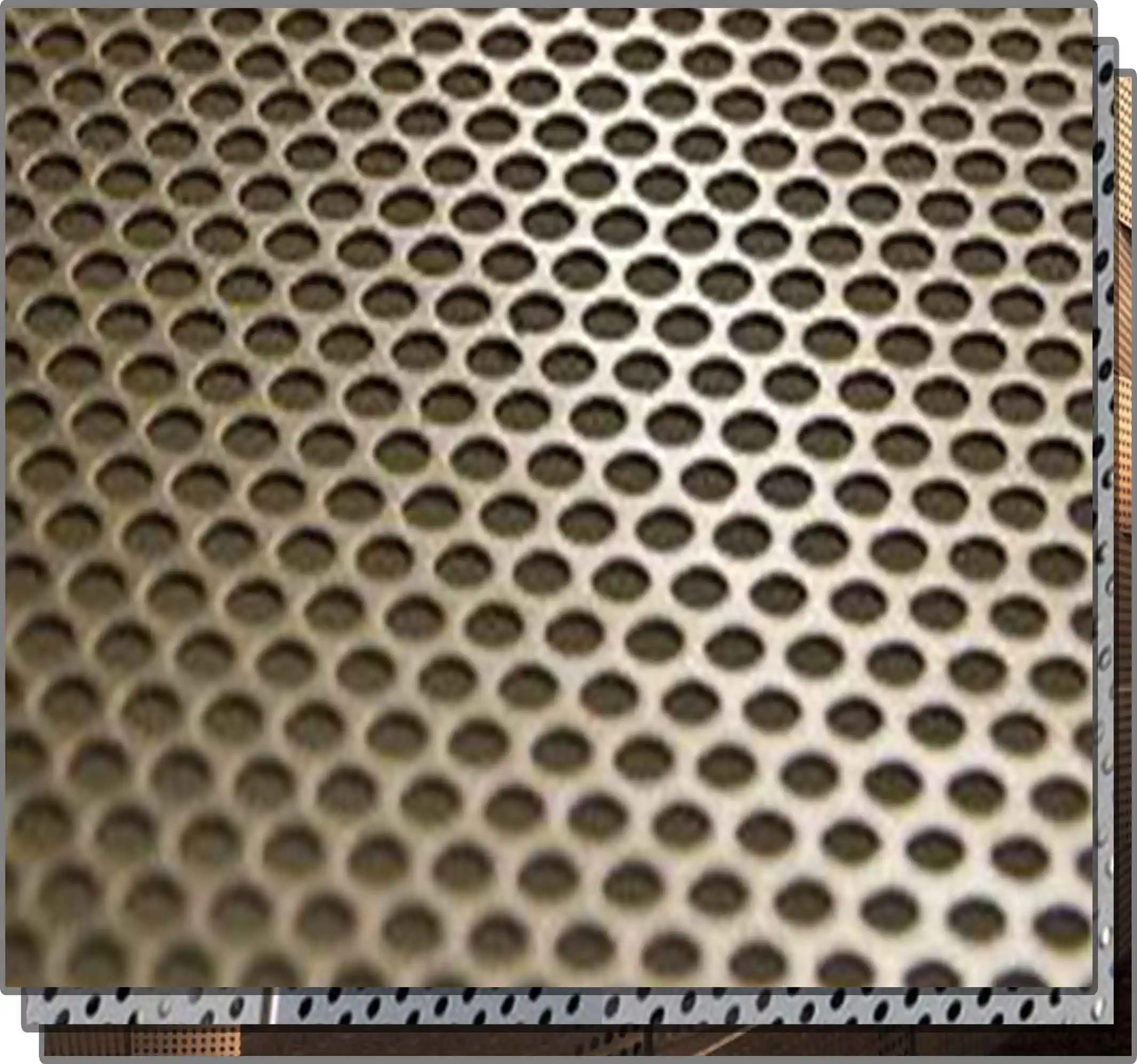
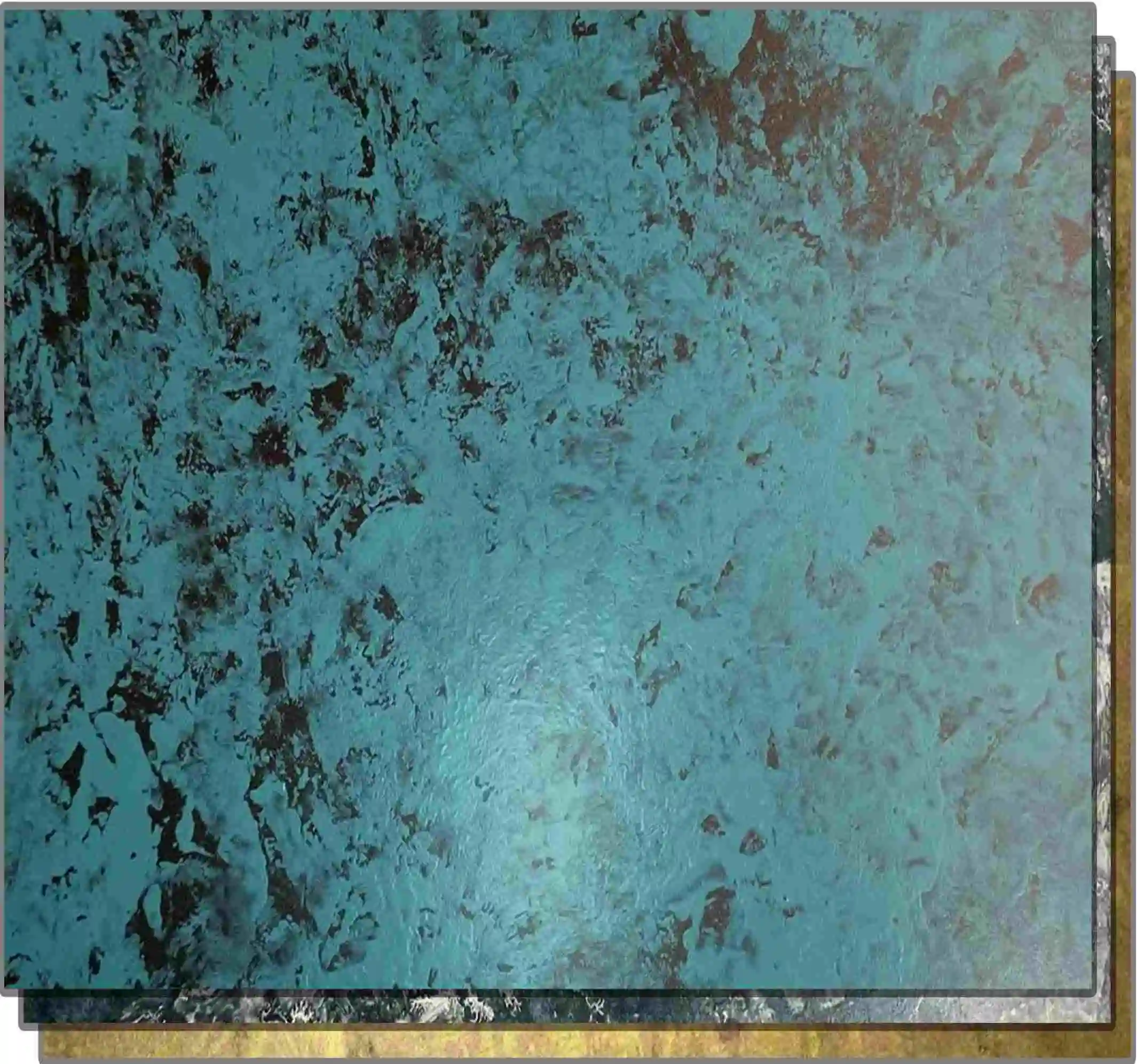
The biggest difference between antique copper stainless steel and real copper is how they look. Both enhance a space’s look and aesthetics in different ways. For example, antique copper stainless steel has a finish that gives it an old copper look. It commonly comes in reddish-brown shades with darker areas, and it has a brushed texture that looks rough. On the flip side, real copper has its own natural beauty. Its original color is usually reddish-orange. Interestingly, it darkens as it reacts with air and moisture. This is because a patina layer develops through oxidation. This change gives the metal a unique character that many people love.
2- Durability & Scratch Resistance
In terms of durability, real copper is slightly compromised. This is basically a soft metal. It contains no other material or alloy to enhance its strength. As a result, copper is more prone to scratches and dents in crowded places. Even a small impact or contact with a hard object can leave a dent or scratch. On the other hand, antique copper stainless steel has a stainless steel base. This material is known for its hardness and scratch resistance. That means it is less likely to dent under the same level of impact.
3- Corrosion Resistance & Patina
Moisture and air change any material’s surface. Oxidation reactions can cause the surface to rust. Both real copper and antique copper stainless steel have different corrosion resistance. Antique copper stainless steel gains corrosion resistance from stainless steel. It has a higher chromium content.
When chromium is exposed to moisture and air, it forms an oxide layer that protects the surface from further corrosion. However, this ability still depends on the grade. However, real copper has natural corrosion resistance. It gradually changes color. At first, it looks bright and reddish-orange. But it becomes darker or develops a greenish layer called patina. This aged copper patina layer now protects the copper from further corrosion.
4- Ease & Cost of Maintenance
The original cost is not what you spend when buying the material. It also includes the cost you spend to keep it in good condition. In this regard, antique copper stainless steel is easier to maintain. This is because its aged copper appearance is created during manufacturing. You do not need to polish it regularly to create or maintain a natural copper patina. In contrast, real copper is slightly harder to maintain. With time, the surface darkens, develops spots, or forms a patina. To maintain a polished surface, you have to apply a coating and use copper cleaner regularly.
5- Ease of Installation & Fabrication
Fabrication means how easy it is to cut, shape, and machine a material. That’s another area where antique copper, stainless steel, and real copper show differences. Real copper is softer and more flexible. So it becomes easier for workers to shape it into curves, rounded edges, and detailed decorative geometries. However, antique copper stainless steel is harder. It requires specialized cutting and shaping tools and more labor skills. The installation of both needs attention. Both materials need accurate measurements and suitable supports during installation.
6- Color Consistency & Finish Options

Color and consistency are important parts of interior design. Right? Antique copper stainless steel wins here. Why? Because its appearance is created through a controlled finishing process, like in bead-blasted stainless steel. It is available in different shades, such as light copper, reddish-brown, and dark antique copper. All these colors remain consistent throughout its use. On the flip side, real copper has a natural color that changes with time. When it is new, it usually has a reddish-orange shine. As it comes into contact with air and moisture, it becomes darker. But the issue is that this color change isn’t uniform across the whole surface, so the color isn’t consistent.
7- Fingerprint Visibility & Cleaning Requirements
Now it comes to fingerprint visibility, where both materials are different. Antique copper stainless steel shows fingerprints, especially with a shiny finish. However, if it has a brushed or matte finish, it sometimes helps hide these marks. Interestingly, most of the time, you can remove fingerprints from acciaio inossidabile lucidato with a soft cloth and mild soapy water. Real copper also shows fingerprints when it is new. You need special copper cleaners to remove them. Over time, its surface color darkens. As a result, it hides fingerprints over time.
8- Suitability For Interior Design
Antique copper stainless steel and real copper have different suitability for interior design. Generally, real copper is much more suitable for projects where natural beauty and character are a priority. Its warm color can make a room feel welcoming. That’s why it is used in decorative wall panels, light fixtures, furniture details, and custom artwork. However, antique copper stainless steel is a good option for modern home interiors. Its aged copper finish adds warmth, but its design flexibility doesn’t make it look old-fashioned.
9- Cost & Best Uses Case
Antique copper stainless steel is typically a more cost-effective option than real copper. Remember, copper has high electrical conductivity, so it is used in electrical components. That’s why the demand for copper is high, which increases its cost. However, because copper stainless steel is not as pure as copper, it is cheaper.
That’s why its cost is relatively lower, depending on its surface finish. People use it because it offers excellent durability and a copper-like appearance at an affordable price. Below is the table showing the best uses of both of these materials:
| Antique Copper Stainless Steel | Real Copper |
| Decorative wall panels | Roofing and roof flashing |
| Cabinet handles and hardware | Plumbing pipes and fittings |
| Rivestimenti per la cucina | Gutters and downspouts |
| Elevator interiors | Rivestimento architettonico |
| Furniture and decorative fixtures | Cookware and utensils |
| Hotel and commercial interiors | Premium decorative accents |
Domande frequenti
Does real copper rust?
No. Copper typically doesn’t rust because of its patina layer. When copper is exposed to moisture or oxygen, it forms a surface layer. This layer (patina) protects the copper from rusting and corrosion.
Is antique copper stainless steel real copper?
No. Antique copper stainless steel is not real copper. Instead, it is stainless steel with a specific surface finish for a copper-like appearance. It also has high strength and a chemical composition similar to other stainless steel types.
Can antique copper stainless steel be used outdoors?
Yes. Antique copper stainless steel offers excellent strength and durability. You can use it outdoors, and it won’t disappoint. People benefit from its excellent durability while still getting a copper-like visual appeal.
Conclusione
Both antique copper stainless steel and real copper have their own strengths and weaknesses. In this guide, I have discussed the key differences between these two materials. Antique copper stainless steel gives you an aged copper look with a strong, easier-to-maintain base. It is a practical choice for busy spaces and large decorative projects. Real copper has its own charm. Its natural color changes with time, giving the surface a unique look. It is a great option if you love natural materials.
Notizie correlate
2026-10-14
2026-09-28
2026-09-15
2026-08-25