
 Sostenibilità

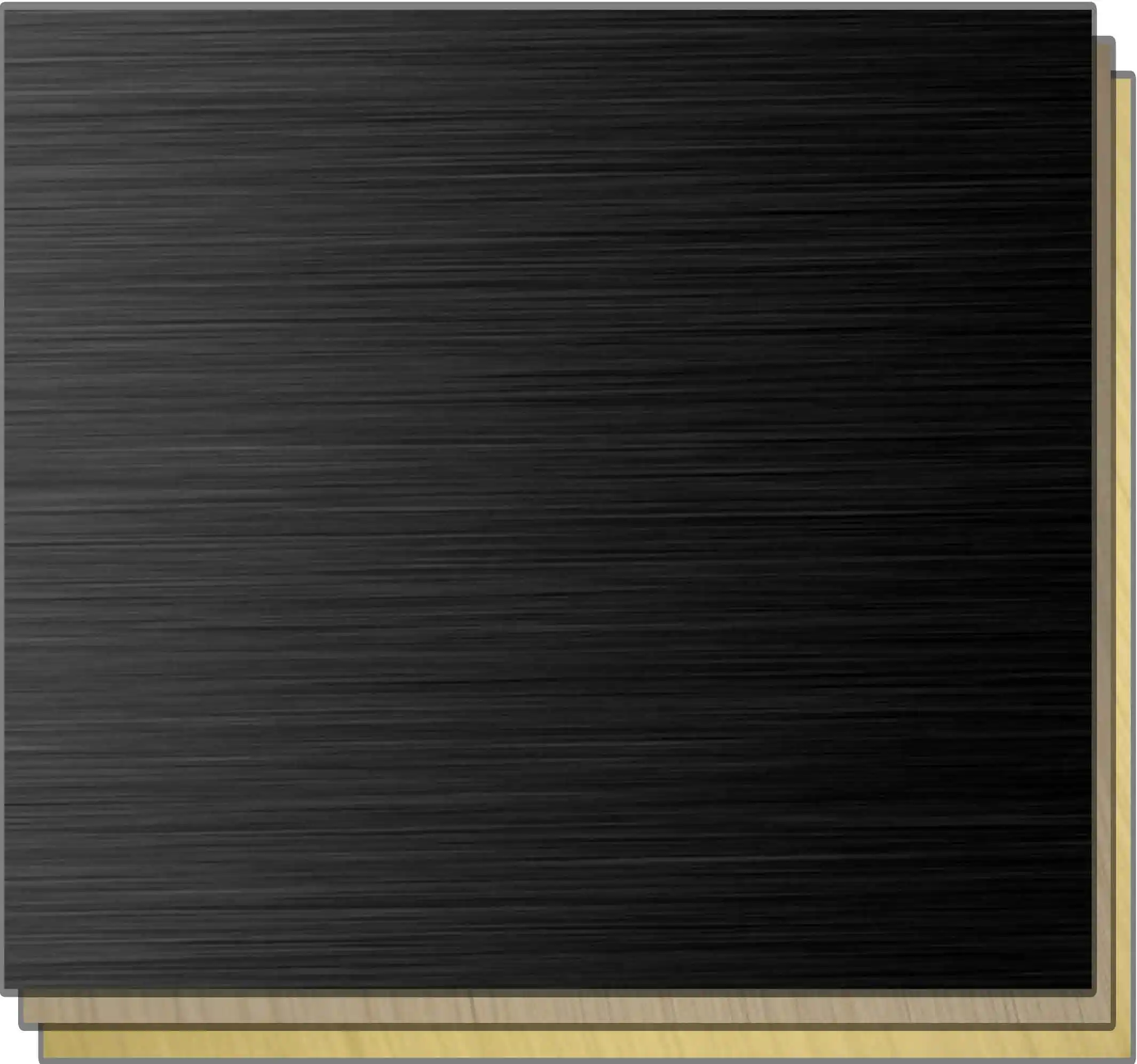
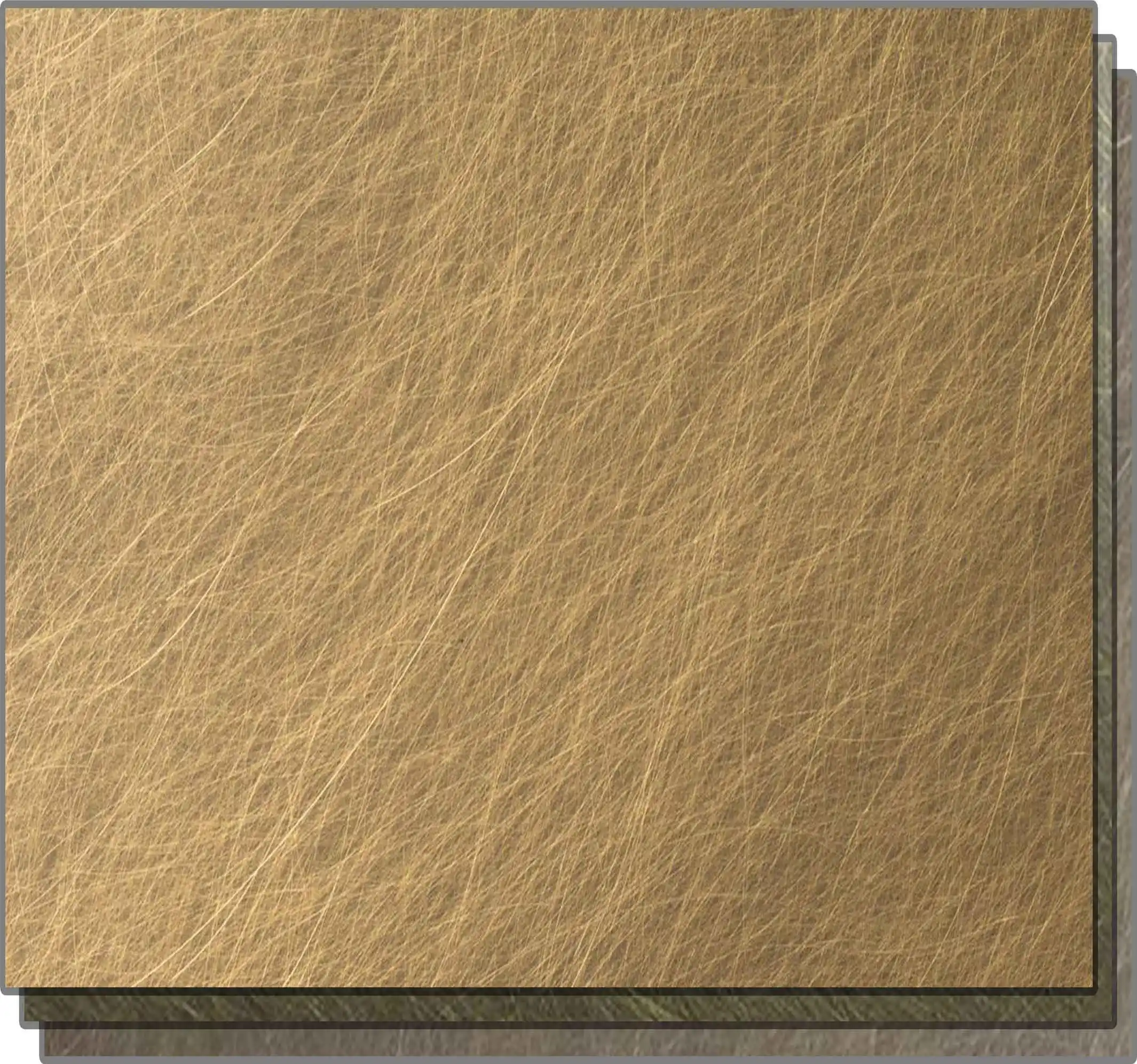

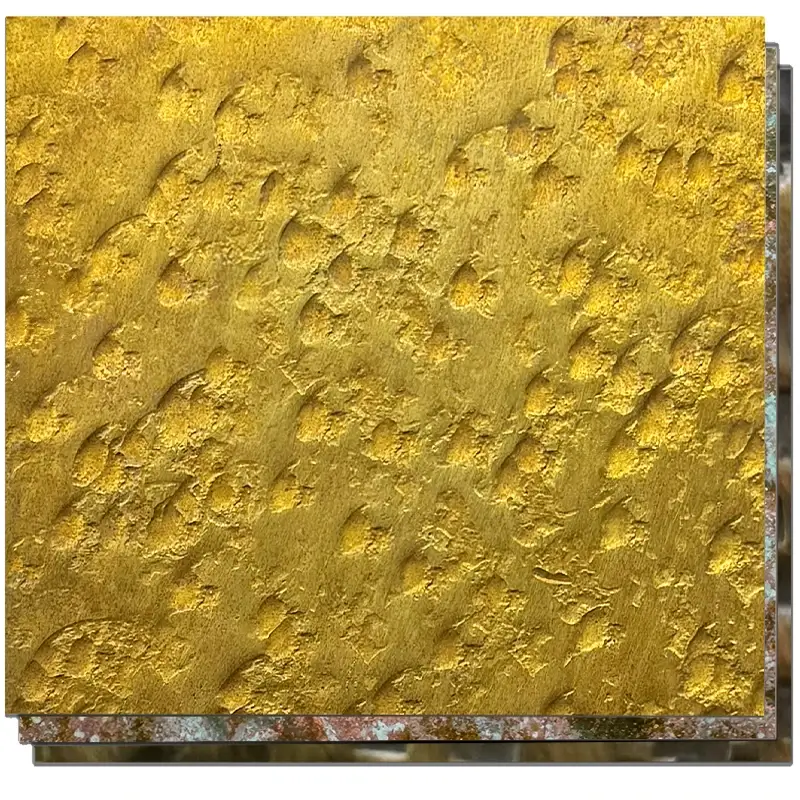
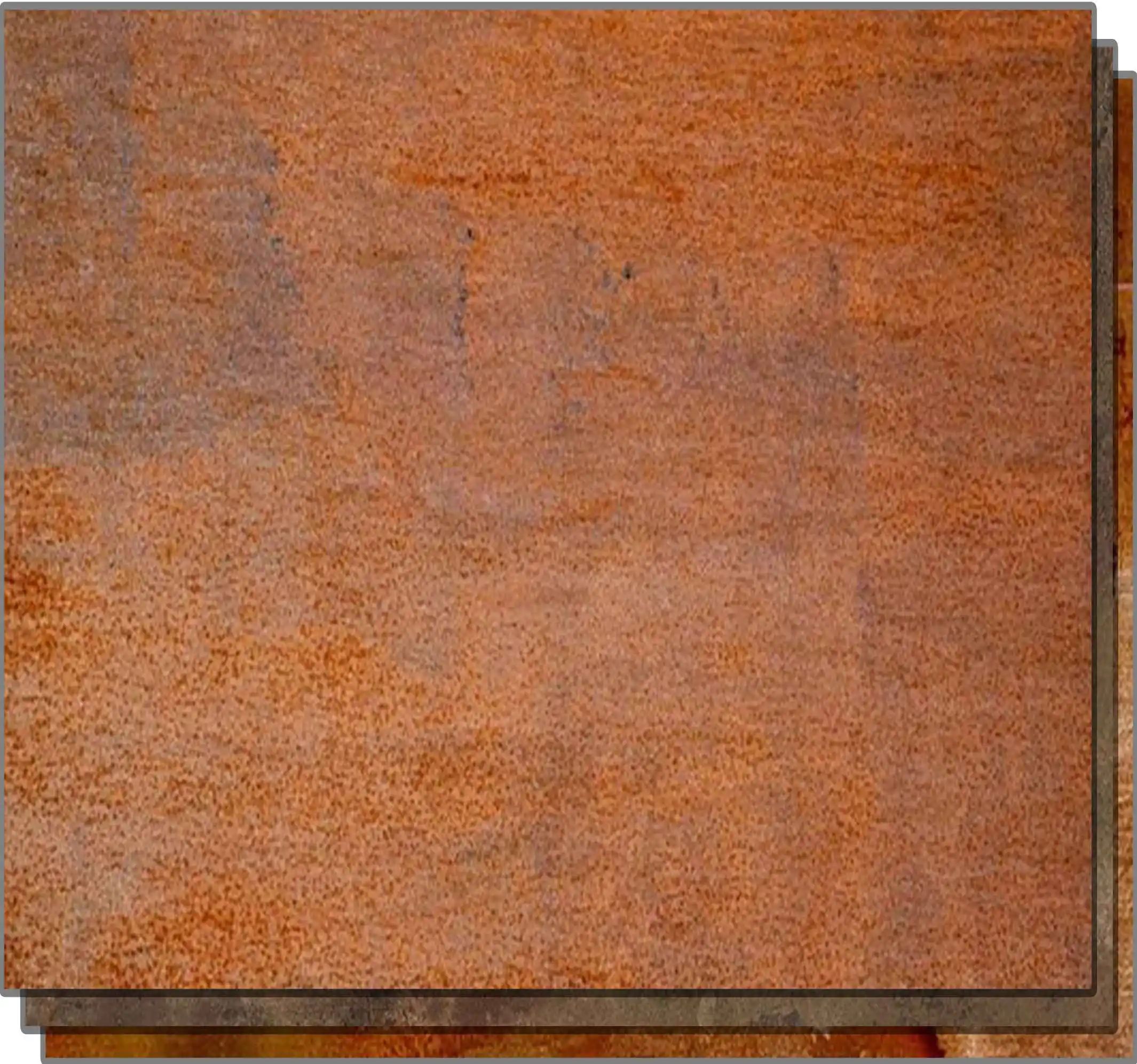
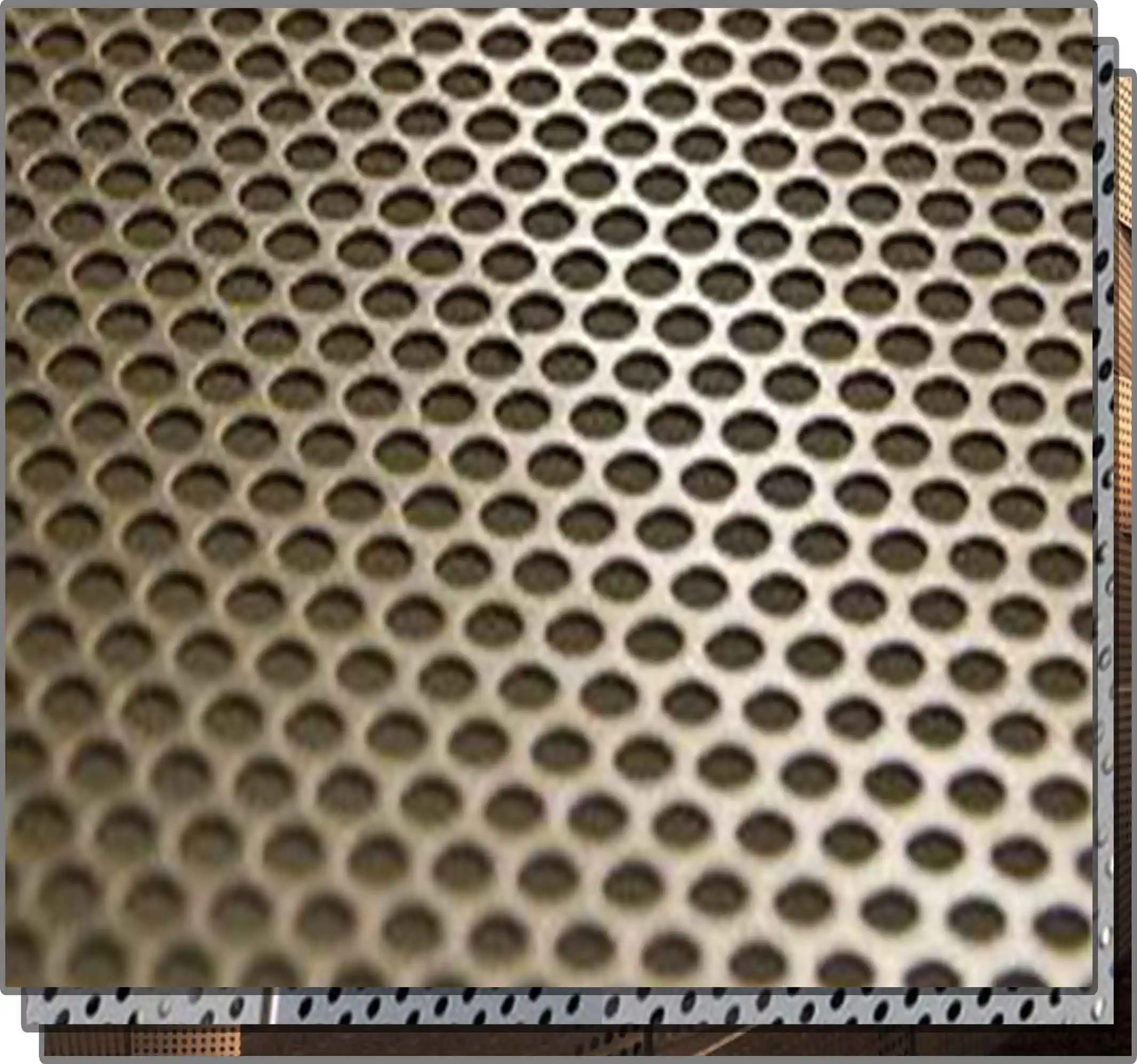




Metals have been the primary materials used in different manufacturing industries. Their excellent strength, durability, and affordability make them stand out. Among these metals, brass, bronze, and copper are very popular because of their excellent properties. However, they differ from one another, sparking a debate on brass vs bronze vs copper.
Many people consider copper the best of these three options. However, announcing one as superior to the others may not be the best approach. Their selection should be based on the properties you need in your product. In this article, I will discuss the basics of these three metallic materials. Reading this article will help you choose the right option among these metals.
Overview of Copper, Brass & Bronze

Before going into comparison, let’s first discuss the basics of copper, brass, and bronze. This will help you easily understand the differences between metals.
Copper is a natural metal that is very soft and is generally extracted through mining operations. Its softness makes it an ideal option for making wires and sheets. Brass and bronze are alloys, not pure metals. Brass is an alloy of copper and zinc, whereas bronze is an alloy of copper and tin. The presence of zinc and tin gives these alloys stability and strength.
As I said, copper is known for its purity and softness. As a result, this material is not very strong and is less suitable for heavy-duty applications. That’s why brass and bronze become useful. Manufacturers add zinc to copper to reduce its softness. This composition makes a new material known as brass. Brass is much more robust than copper, thanks to its zinc content.
Similarly, bronze is made by mixing copper with tin, a metal with unique properties. For example, tin not only increases strength but also improves corrosion resistance. As a result, Bronze does not undergo wear and tear quickly, even under harsh conditions. Copper has been in use for several centuries. However, brass and bronze are relatively new, developed to overcome copper’s downside (softness).
In brass and bronze, the proportions of their elements can vary. For example, alpha brass contains 65–70% copper. On the other hand, beta brass has copper content around 55–65%. This beta brass is stronger and more rigid than alpha brass. Similarly, bronze can have different proportions of copper and tin. Differences in these proportions give bronze unique properties.
Brass vs. Bronze vs. Copper: What’s the Difference?

Remember, copper, bronze, and brass are widely used in the manufacture of various decorative products. Why? That’s because of excellent visual appeal, color, and overall shine. Brass is, in fact, considered a go-to option for decorative products due to its gold-like appearance. Let’s explore key differences between these three materials, so you can decide which one is best for you.
1- Composition & Material Classification
As mentioned above, copper is a pure metal and occurs naturally. However, both brass and bronze are artificial alloys according to their classification. This means humans make them by adding zinc and tin to the copper. The compositions of brass and bronze differ widely. Not only in terms of alloy elements, but the proportion of copper (the main element) also differs in them. Brass consists of around 55–95% copper and 5–45% of zinc.
This proportion can fluctuate in different brass types. For example, alpha brass has around 70% copper and 30% zinc. On the other hand, beta brass contains 55% copper and 45% zinc. Bronze has around 80–95% of copper and 5–20% tin. Sometimes, bronze can also contain impurities and traces of other elements, such as phosphorus. This alloy also comes in different types, with varying compositions of copper and tin.
2- Color & Visual Appearance
Their color is a major distinguishing factor between brass, bronze, and copper. Copper is generally reddish brown in color. The reddish tone is more prominent than the brownish one, making it look redder. Similarly, the brass is also brownish, but the brighter tone is more prominent. This means brass looks yellowish, more like gold.
As a result, brass with a gold-like appearance is considered a superior option for making decorative products. It is worth noting that both copper and brass have excellent shine and aesthetic appeal. Bronze is slightly duller and less decorative than brass. It looks darker, brownish, rather than yellowish. Due to this darker tone, bronze’s visual appearance is not very bright or special.
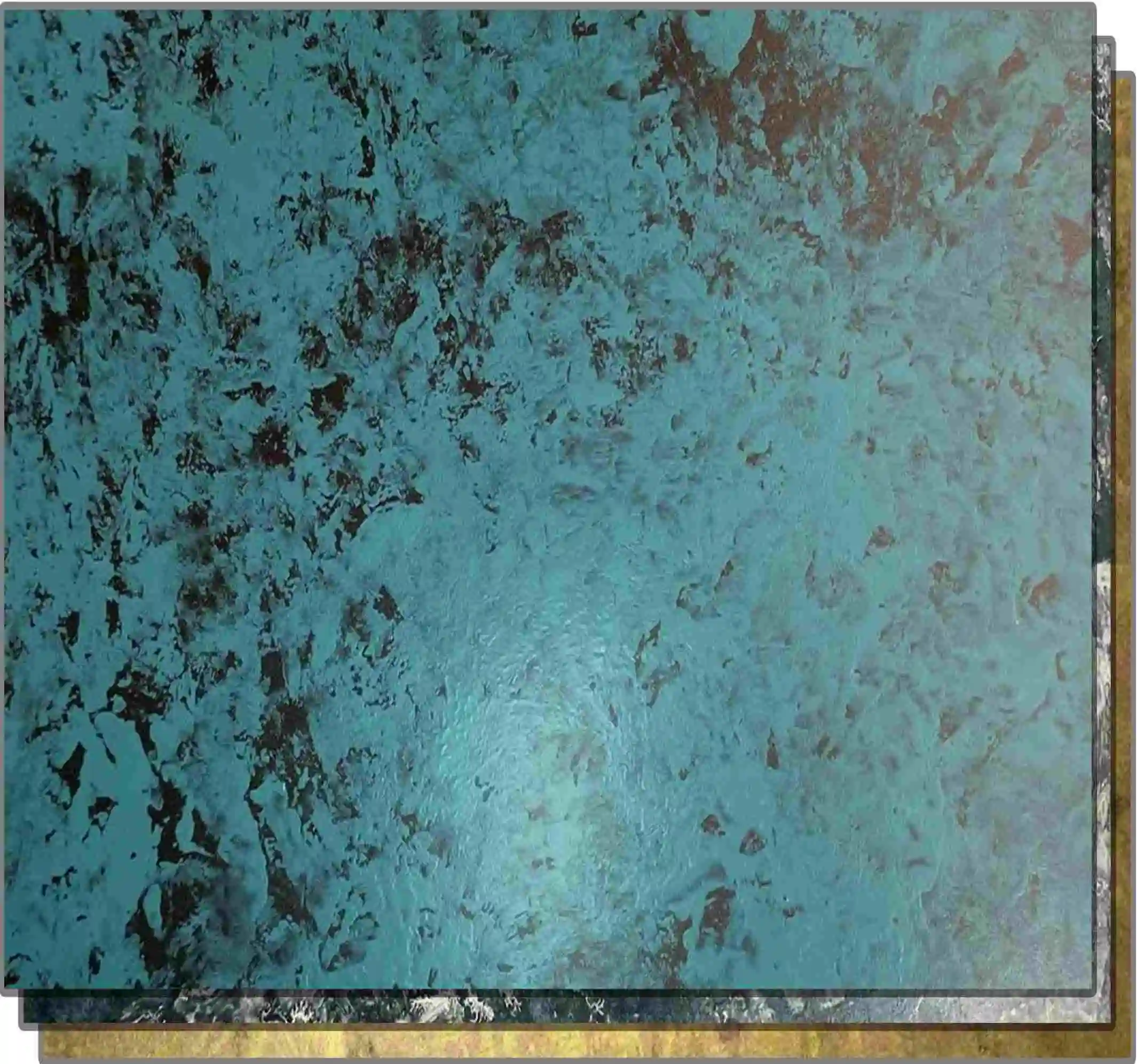
Quick Highlight: The appearance of these metallic materials can be affected by patina formation. Over time, copper reacts with oxygen, forming an oxide layer known as patina. It makes copper look more greenish rather than reddish. Similarly, this patina layer can make brass look darker brown, while bronze richer and darker. If you see such colors in these materials, it means they are very old and have patina layers.
3- Strength & Hardness
Copper is one of the weakest when it comes to strength and hardness. Instead, it is very soft, malleable, and ductile. Even when exposed to small impacts, it can bend and deteriorate. On the other hand, brass is moderately stronger and harder. How? That’s because it consists of zinc, which contributes to its strength.
However, you should not consider it a heavy-duty material. Lastly, bronze is the strongest material with exceptional hardness. The reason is that this material contains tin. This tin not only increases its strength but also makes it wear and impact-resistant. I recommend choosing bronze, especially when you need a material for better load handling.
4- Durability & Corrosion Resistance
Durability refers to a material’s resistance to corrosion and wear. Copper is one of the standout options for corrosion resistance. Copper makes an oxide layer (patina) when exposed to moisture or oxygen. This layer protects it from corrosion, but its wear resistance is compromised by its softness.
On the other hand, brass is moderately stronger and has excellent corrosion resistance. This corrosion resistance is due to the presence of zinc, which forms a zinc oxide layer on the brass surface. These materials also perform better in terms of wear resistance. Bronze stands out as the best option among these three in durability and corrosion resistance.
It contains tin, which forms a tin oxide layer on the bronze’s surface, making it resistant to corrosion. The presence of tin also makes bronze tougher and more wear-resistant, even under harsh conditions. Products made of bronze generally last for years without showing any signs of corrosion. However, both copper and brass may require regular maintenance to maintain durability.
5- Electrical & Thermal Conductivity
Copper is an excellent option if you need electrical and heat conductivity. The reason is that copper has electrons that can move freely. This means the flow of electrons is smooth when you apply a voltage. As a result, copper conducts electricity and heat. That’s why this material is widely used in making wires and other electrical components.
On the flip side, both brass and bronze lag in this aspect. Although they have a small level of heat and electrical conductivity, they are not as good as copper. Why? That’s because brass contains zinc, while bronze contains tin. These additional elements restrict the movements of the electrons. These restrictions make these materials poor conductors of heat and electricity.
6- Ease of Fabrication & Machinability (Malleability & Ductility)
Copper, brass, and bronze are different in terms of ease of fabrication. As you know, copper is one of the softest metals available. So, bending and shaping this material is very easy, even without high-end tools and machines. However, machining can be tedious due to its high softness.
On the other hand, brass is exceptionally good for both ease of fabrication and machinability. The presence of zinc makes brass stronger and a bit harder. However, it is easily machinable and can be cut with various machines. Lastly, bronze is very hard, rigid, and stronger. So cutting bronze can be very challenging, and cutting tools can wear out during cutting. However, parts made of bronze will be much stronger and more rugged.
7- Weight & Heat Resistance
Copper, being a soft metal, has good heat resistance. Additionally, it is denser and heavier than brass. Interestingly, the melting point of copper is around 1,085 °C. However, this metal quickly deteriorates due to its softness. In simple words, it maintains its thermal stability at a lower temperature than its melting point.
Brass is a lightweight material compared to both copper and bronze. Additionally, its thermal stability is excellent despite its lower melting point than that of copper. This alloy melts at 900–940 °C, but it keeps its stability better than copper. Bronze, on the other hand, is the densest of all three and has thermal stability similar to that of brass.
8- Cost & Popular Applications
Copper, brass, and bronze differ in cost. Copper, among all, is the most expensive material. Why? That’s because of its high demand in the electrical industries. It has high electrical conductivity, so manufacturers use it to make wires and other electrical parts. Due to high demand, copper prices are much higher than those of brass and bronze.
Brass is moderately priced and easily available in the market. In fact, its price is lower than that of both copper and bronze. Its primary use is to make decorative products due to its excellent visual appearance. Its gold-like appearance makes it stand out in competition. Bronze is more expensive than brass and is robust.
Its use is common in the manufacture of parts that require exceptional durability, strength, and hardness. Here is the table showing the application comparison of copper, brass, and bronze:
| Uses of Copper | Uses of Brass | Uses of Bronze |
| Electrical wires | Door handles & knobs | Bearings & bushings |
| Cables & connectors | Screws & fasteners | Ship propellers |
| Tubi idraulici | Strumenti musicali | Statues & sculptures |
| Electronics & circuit boards | Ornaments & Decorative items | machinery parts |
| Electronics & circuit boards | Plumbing fittings | Coins & medals |
| Scambiatori di calore | Valvole e raccordi | Accessori nautici |
Concluding: Which One Should You Choose, Brass, Bronze, or Copper?

As previously discussed, brass, bronze, and copper have unique properties. So they fit in different use cases and applications. Therefore, you should make a selection by analyzing your custom use. If you need decorative materials, you should choose brass. Its excellent gold-like shiny appearance makes it aesthetically appealing.
In fact, copper can also be a good option for decorative products, but not as good as brass. I recommend choosing copper when you need electrical conductivity. For example, its use to make wires and electrical components is ideal. Last but not least, bronze is not an ideal material for decorative products. Instead, it is sturdy, durable, and exceptionally strong. So you should choose it for making functional products that will be exposed to stress or loads.
Notizie correlate
2026-10-14
2026-09-28
2026-09-15
2026-08-25