
 Sostenibilità




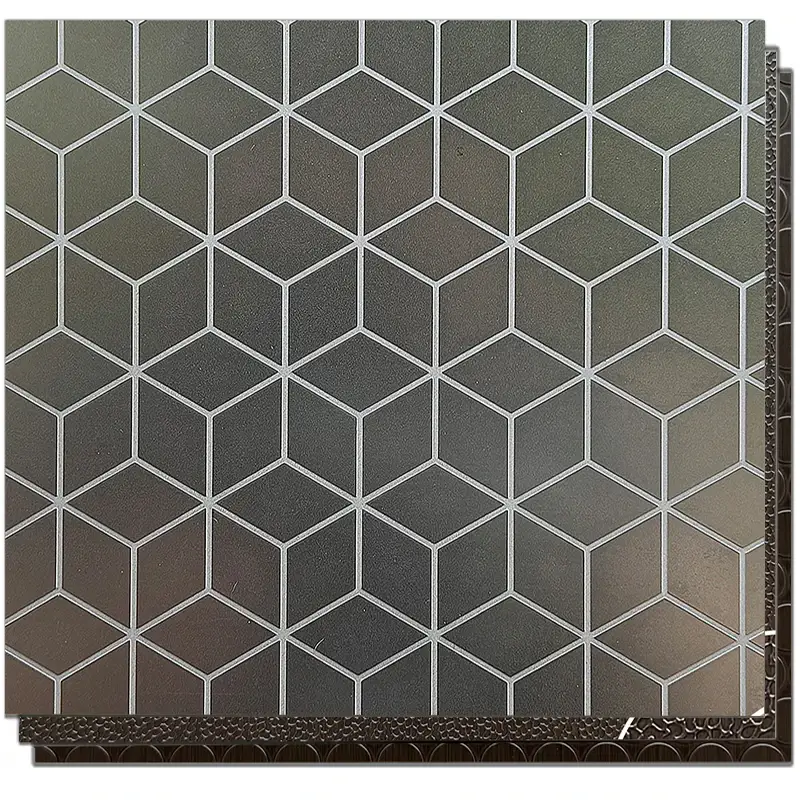

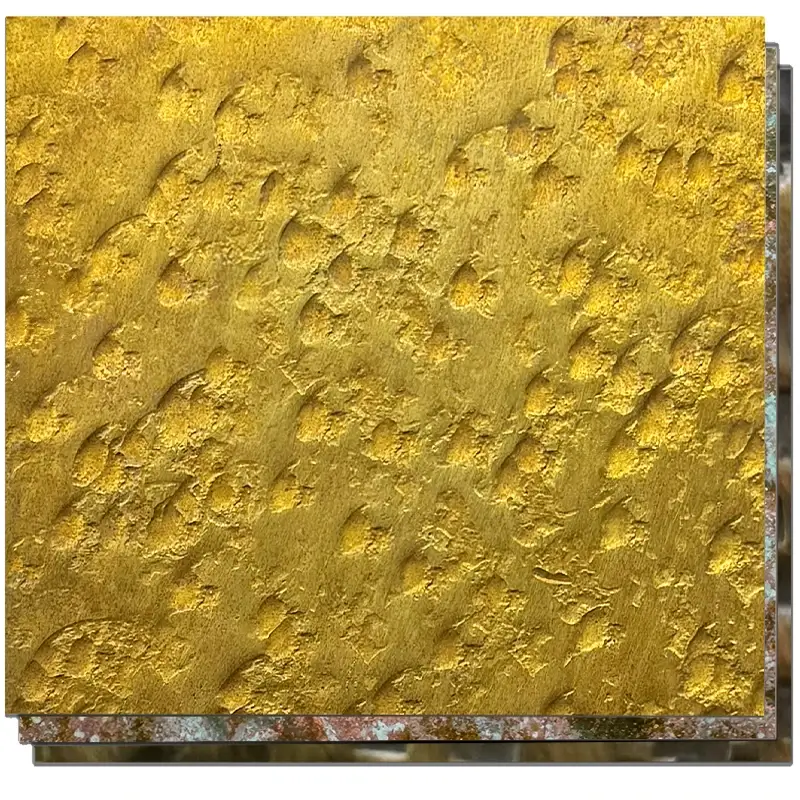


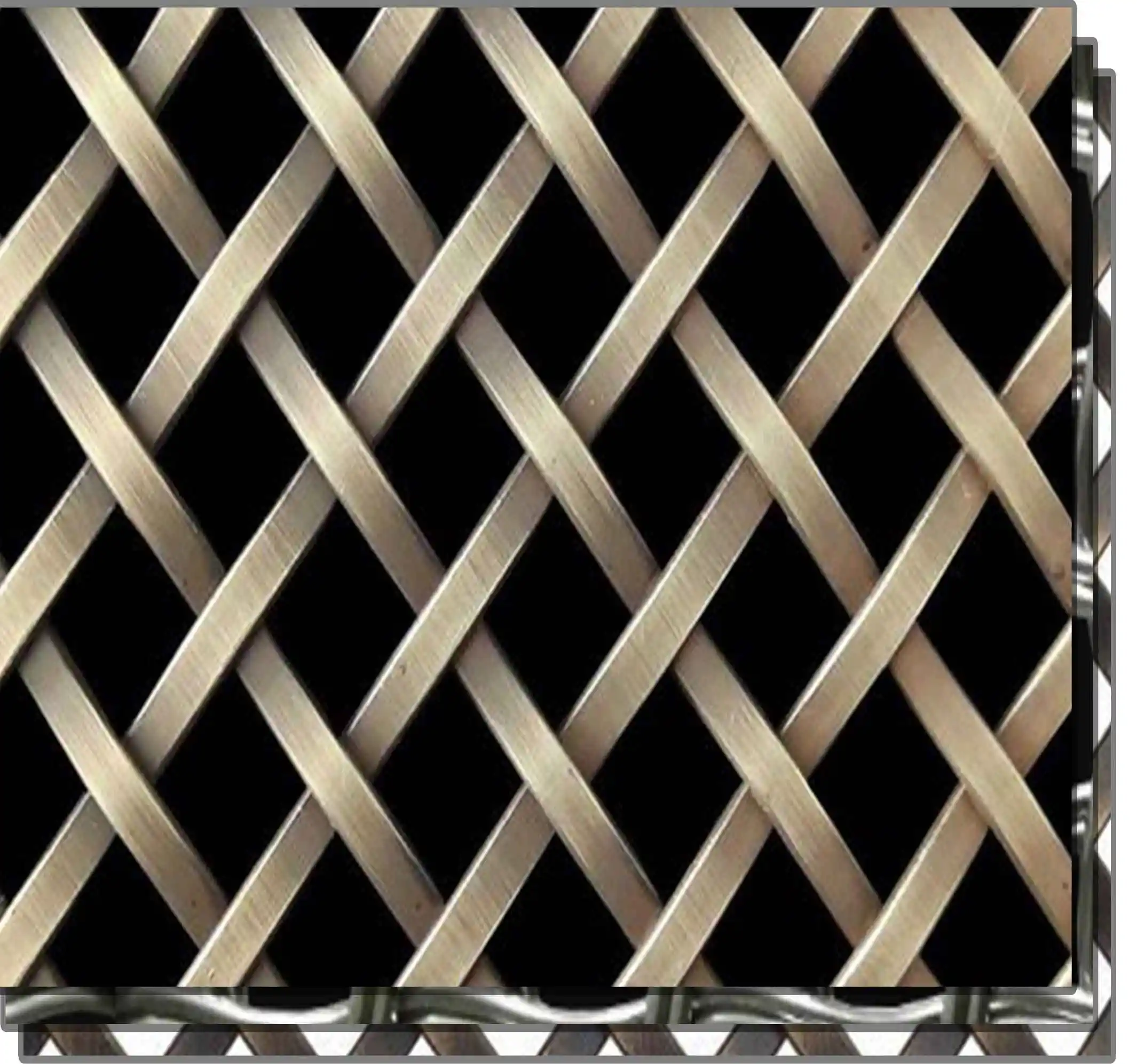
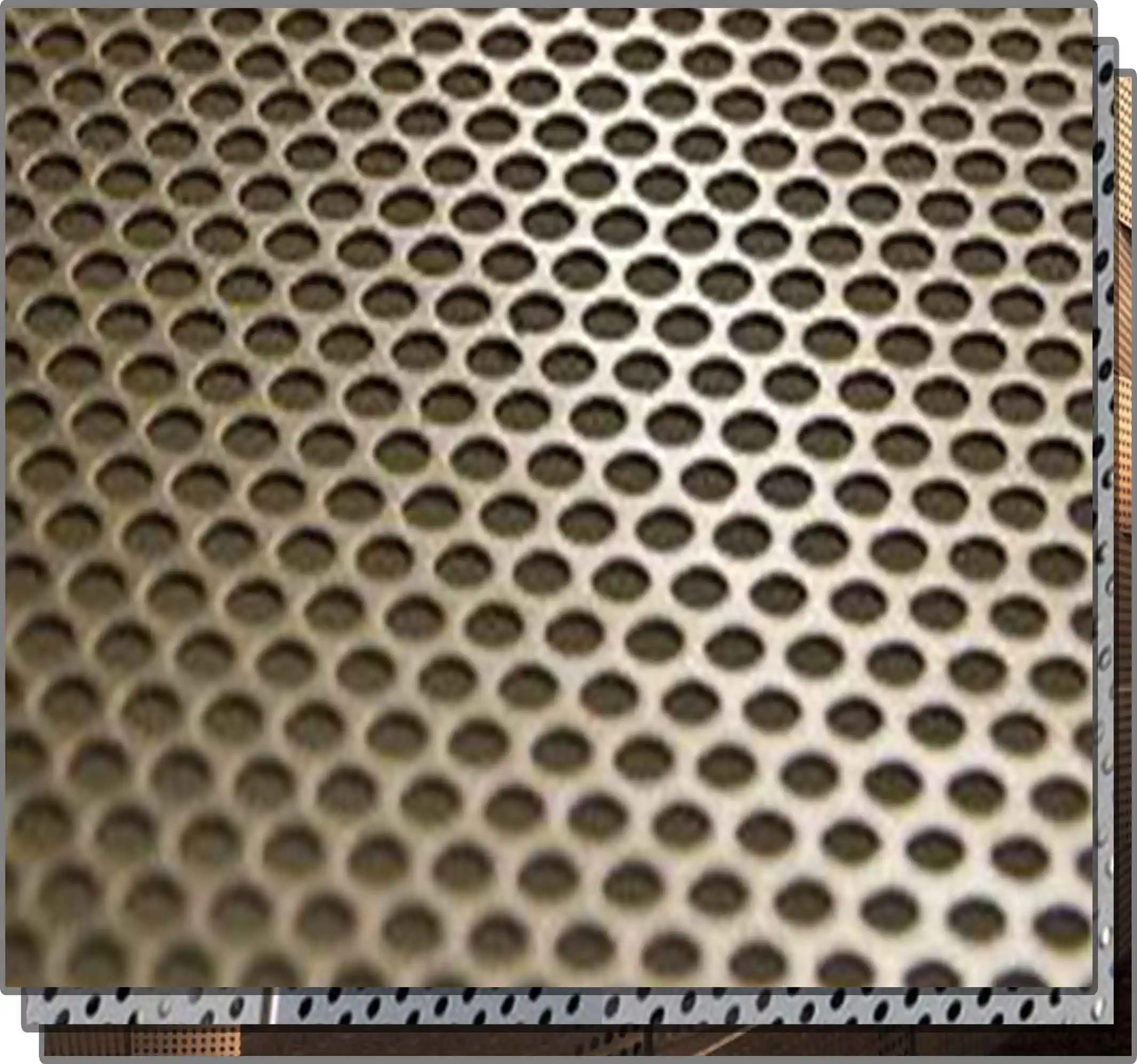






Copper is undoubtedly one of the most common metals used in different industries. Its excellent electrical conductivity, lightweight, and corrosion resistance make it stand out. That’s why this metal is even used to make many routine products. Apart from everyday products, this metal is also used to make various decorative sheets. However, this article is about 10 uses of copper metal.
As you know, copper is everywhere, from automobiles to aerospace and electronics. It is fair to say that modern manufacturing is incomplete without copper metal. This metal can be machined and fabricated quite easily, making it an ideal choice for a wide range of products. In this article, I will discuss some popular products made from copper. So let’s get started.
Why Is Copper So Popular?: Key Advantages

Many people think copper is widely used because it is readily available. But that’s a common misconception. Copper has many advantages that set it apart. Want to know how? In this section, I will discuss some of the main advantages of copper before its use.
- Electrical Conductivity: Copper is known for its excellent electrical conductivity. It means it allows electricity to pass easily without losing energy as heat. Copper ensures that current moves safely from one place to another without hindrance.
- Thermal Conductivity: Copper is also the best conductor of heat. Like current, heat also moves quickly through copper without resistance. This thermal property helps heat spread evenly and helps cookware work effectively.
- Resistance to Corrosion & Rust: Another main advantage of copper is its resistance to corrosion and rust. Actually, when copper comes into contact with water or air, it does not rust. Instead, it develops a green layer on its surface. This layer acts as a safety shield, preventing further surface corrosion.
- Durable and Reliable: Copper also stands out in durability. It does not break easily, bend permanently, or wear out quickly. So the copper product lasts longer and requires no replacement, saving money in the long term.
- Recyclable Material: It is worth noting that copper is a 100% recyclable metal. This means you can use it again and again without risking quality. Also, the recycling of copper is not very demanding. It requires less energy, saves natural resources, and protects our environment.
Top 10 Uses of Copper Metal In Different Sectors
Now you are aware of the main advantages of using copper. Right? Let’s discuss the main areas where copper plays a key role.
1- Copper in Electrical Wiring
Thanks to its low resistance, copper allows electrical current to pass with little energy loss. Its low resistance makes it the perfect choice for electrical and circuit wiring. Low resistance means less energy is lost as heat, making copper wires more efficient. Furthermore, copper is also ductile and flexible.
Flexibility means copper can be bent without breaking. This allows you to install copper wires in tight spaces. Ductility, on the other hand, allows copper to be made into thin wires without losing strength. Electricians can make both thick and thin copper wires from the same metal. This saves the cost of using multiple wires.
2- Copper Pipes & Plumbing System
Copper is everywhere in plumbing. However, water pipes use it specifically. Why? The reason is its excellent corrosion resistance. As I mentioned above, when copper comes into contact with air or water, it forms an oxide layer. This layer prevents the surface from further corrosion. It means copper water pipes do not rust or get damaged.
Furthermore, copper is also safe for drinking. Actually, it has natural antibacterial properties. These properties ensure that harmful bacteria cannot easily grow on its surface. So it keeps water clean and safe in pipes. The use of copper for plumbing is also due to its ability to handle hot and cold water. Copper can tolerate high and low temperatures without bending, cracking, or weakening. So you can use it for both boilers and cold water.
3- Copper in Electronics
In electronics, copper plays a huge role in almost all electronic devices you use every day. The reason lies again in its electrical conductivity. In electrical devices, a small amount of resistance can reduce efficiency or cause overheating. That’s where copper comes in handy. It allows the current to pass more easily, with less resistance. That’s why it is ideal for smartphones, laptops, televisions, and other gadgets.
Also, inside electronic devices, copper is often used in printed circuit boards (PCBs). PCBs are the small boards that hold and connect all the electronic components in a device. By using copper, PCB manufacturers form tiny pathways on the board. This allows electricity to pass precisely from one component to another.
4- Copper in Construction & Building Materials

One of the most prominent uses of copper is to make various construction components. For example, you will see copper being used in roofing, gutters, doors, and exterior cladding. Why? That’s because copper is corrosion-resistant. This means parts made from this metal will perform excellently even in moist conditions. Remember, when copper reacts with oxygen, it forms an oxide layer, known as patina. This patina protects the copper products from other environmental elements.
5- Copper for Heat Transfer & HVAC Systems
Excellent thermal conductivity is also one of copper’s best properties. It can quickly and efficiently transfer heat from one place to another. That’s why this material is used in heat exchangers and cooling systems (HVAC). For instance, in your air conditioners and refrigerators, you install copper tubes. Right? These tubes actually carry heat away from the inside to the outside.
Without copper, these HVAC systems will take longer to cool and waste energy. Moreover, as you know, cooling systems use water, refrigerants, or other fluids. These fluids can be harmful to the regular metals. However, copper is durable and corrosion-resistant. Therefore, it is not affected by these fluids and, as a cooling pipe, improves work efficiency.
6- Copper in Sustainable Energy Systems
Copper plays a key role in sustainable energy systems. The sustainable systems mainly include solar panels, wind turbines, and electric vehicles. The reason for copper use in these systems is its higher electrical conductivity. For example, in solar panels, copper is used in the wiring and circuits.
These circuits carry electricity generated from sunlight to the desired destination. The copper wires ensure minimal energy is lost as heat. Similarly, in wind turbines, copper is used in the generators and motors. The moving parts of turbines generate electricity. Right? These parts are then connected with copper wires that transfer electricity to the grid.
7- Copper in Logistics & Transport
You might know that modern vehicles heavily rely on electricity. This electricity powers vehicle lights, sensors, and safety features. If electricity is not transferred to these systems in the vehicles, the vehicles may fail to work. That’s why transportation systems use copper. There, copper wires carry this electricity efficiently throughout the vehicle without any resistance.
This ensures the entire system works effectively throughout. Additionally, copper is also used in motors, batteries, and charging systems of electric vehicles (EVs). In these vehicles, copper helps electricity flow smoothly. As a result, it directly ensures that the vehicle runs efficiently and improves battery life.
8- Copper Coins & Currency
Believe it or not, copper has been used for coins for thousands of years. To this day, copper remains the best option for making coins and currency. Basically, coins need to withstand constant handling, rubbing, and exposure to water and air. Regular metals cannot withstand all these harsh conditions. However, copper is highly durable and corrosion-resistant.
It does not break or bend easily and can even last decades, making it ideal for money that circulates widely. Copper alloys are often favored for coins. For example, copper is mixed with tin (bronze) and zinc (brass). These metals enhance the coin’s corrosion resistance and hardness, making it less prone to scratching.
9- Copper Kitchenware & Cooking Utensils
As you know, copper is best known for its thermal conductivity. Copper heats up quickly and spreads that heat evenly. Even heat distribution is crucial in cooking. Why? If the heat spreads unevenly, it can burn some food in one area while leaving other food uncooked. That’s why copper is preferred for cookware and kitchen utensils. Many high-quality pots, pans, and saucepans are made from copper.
They also contain a layer of stainless steel or tin coating on the inside. This coating makes the cookware safe for food. Inside the coating, the copper ensures quick and uniform heating. Copper cookware is also durable and long-lasting. Unlike other metals, copper does not warp or wear out quickly. So, kitchen utensils maintain their shape and performance for several years.
10- Antimicrobial & Healthcare Uses of Copper
Interestingly, copper can naturally fight certain bacteria and viruses. This unique property is known as its anti-microbial property. In hospitals, clinics, and public places, this property helps reduce the spread of infections. That’s why copper is used in several medical devices.
You’ll often see copper on door handles and bed rails in hospitals. As you know, these surfaces remain in continuous contact, which can serve as a source of spreading bacteria. But copper quickly kills the harmful microorganisms on its surface, making it free of contaminants.
Domande frequenti
Is copper environmentally friendly?
Yes, copper is considered environmentally friendly. The reason is that it is 100% recyclable and can be reused many times without losing its quality. This reduces the use of natural resources and makes it more eco-friendly.
Does copper rust over time?
No, copper does not rust over time like iron. Instead, it forms a thin green layer called patina when exposed to air and moisture. This layer actually protects the copper from further damage and corrosion.
What makes copper a good conductor of electricity?
Copper is a good conductor of electricity because it has very low electrical resistance. This low resistance allows current to flow more easily, and less energy is lost as heat.
Conclusione
Copper is truly one of the most useful metals in the world. It is known for its corrosion resistance, thermal conductivity, and electrical conductivity. These unique properties make it the best choice in several industries. For example, due to its electrical conductivity, copper is used in wires, electronics, and renewable energy sources. However, copper’s thermal conductivity makes it ideal for cookware and heat exchangers. In short, copper is one of the most versatile metals and has become a favourite in several industries.
Notizie correlate
2026-10-14
2026-09-28
2026-09-15
2026-08-25