
 Sustentabilidade





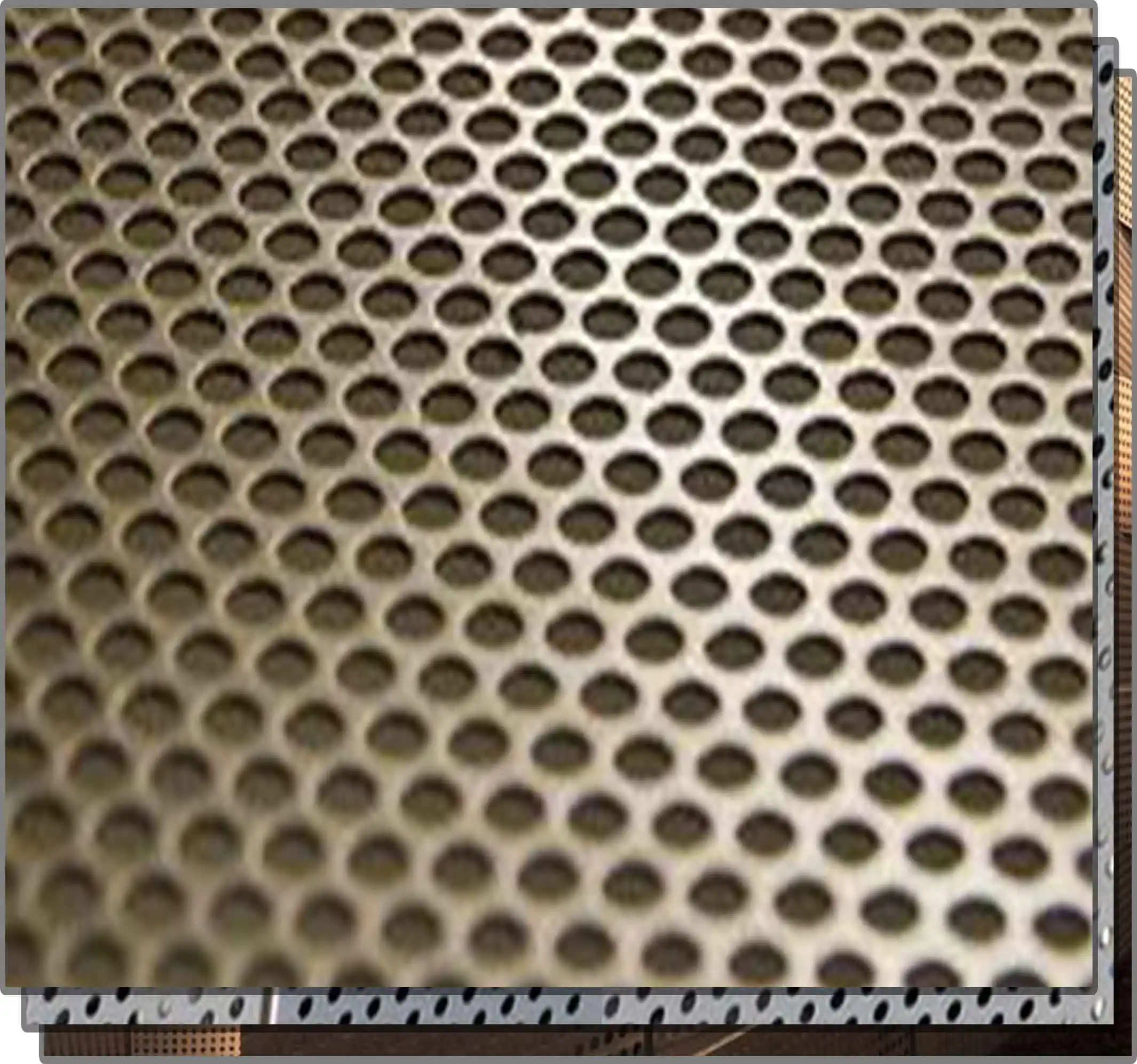







A wide range of materials are used in manufacturing industries. These materials vary in terms of their properties. Among these, brass and stainless steel are two widely used materials for making various products. However, these two materials differ in many respects. That’s why people often compare them, leading to a debate between brass vs stainless steel.
Some favor brass while others consider stainless steel a superior option. That difference in opinion can be confusing when it comes to selecting between these two. In this article, I will discuss the differences between brass and stainless steel. Reading this article will help you choose the right materials for your custom project. So, let’s get started.
Differences Between Brass and Stainless Steel
Before making a decision, understanding the differences between these materials is crucial. In the section below, I will explore their fundamental differences.
1- Chemical Composition & Alloy Elements
Brass and stainless steel are both alloys, but they differ in their alloying elements. The main alloy elements in brass are copper and zinc. There are other elements, such as lead, iron, and manganese. The proportion of zinc and copper varies, resulting in different types of brass.
On the other hand, stainless steel is an iron-based alloy with iron as a major component. Along with iron, there is over 10.5% chromium, which makes stainless steel corrosion-resistant. There are some other alloy elements in stainless steel as well. These include nickel, manganese, carbon, molybdenum, and so on. However, their proportion is very small compared to that of iron or chromium.
2- Appearance & Visual Appeal

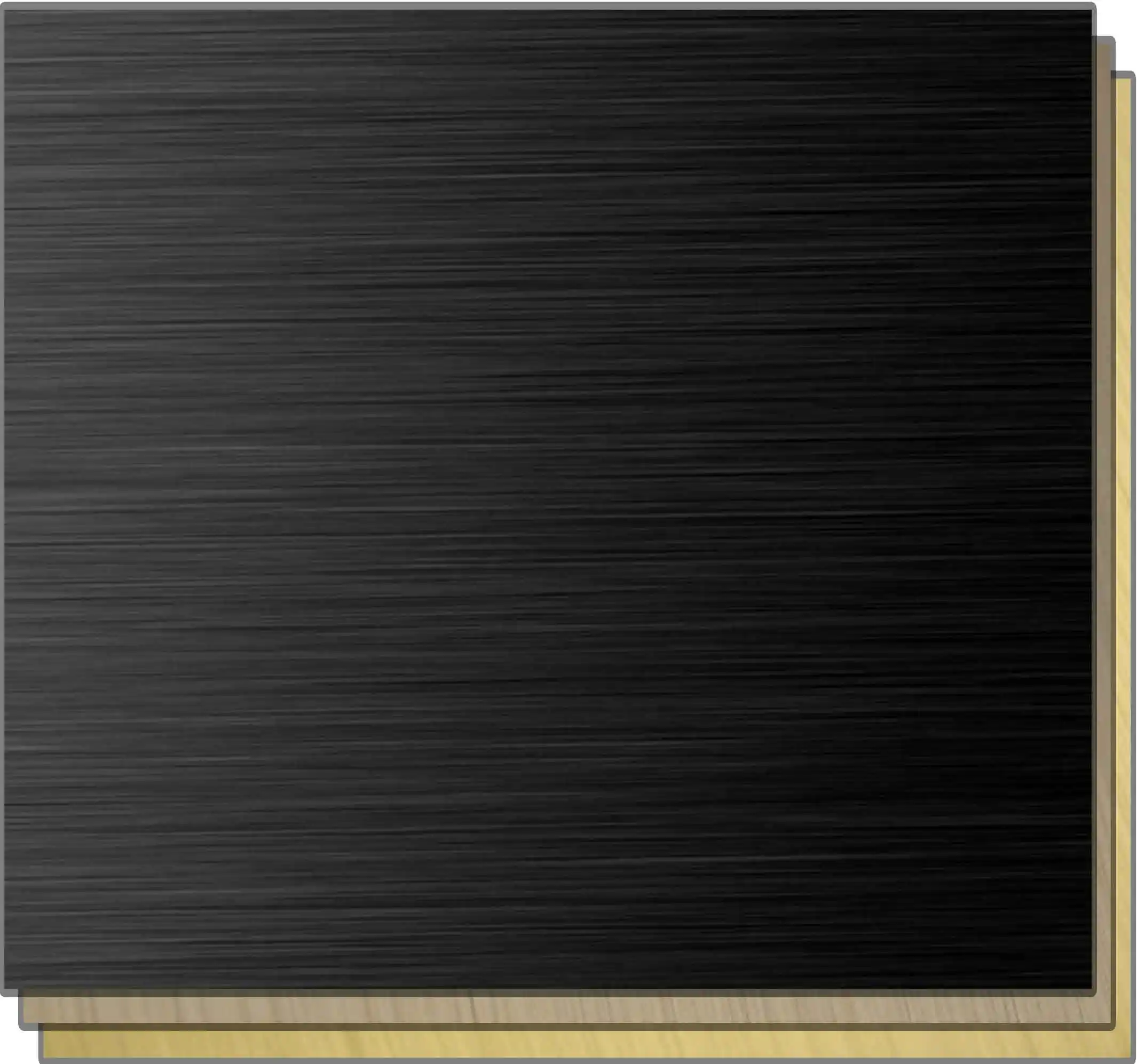
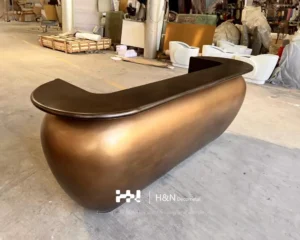
Brass and stainless steel differ in appearance and visual appeal. Brass comes in a yellowish-golden color, which makes it aesthetically appealing. However, over time, this brass can develop a patina, making it look a bit darker. This darker shade can affect its visual appeal. However, you can still use it to make various decorative products.
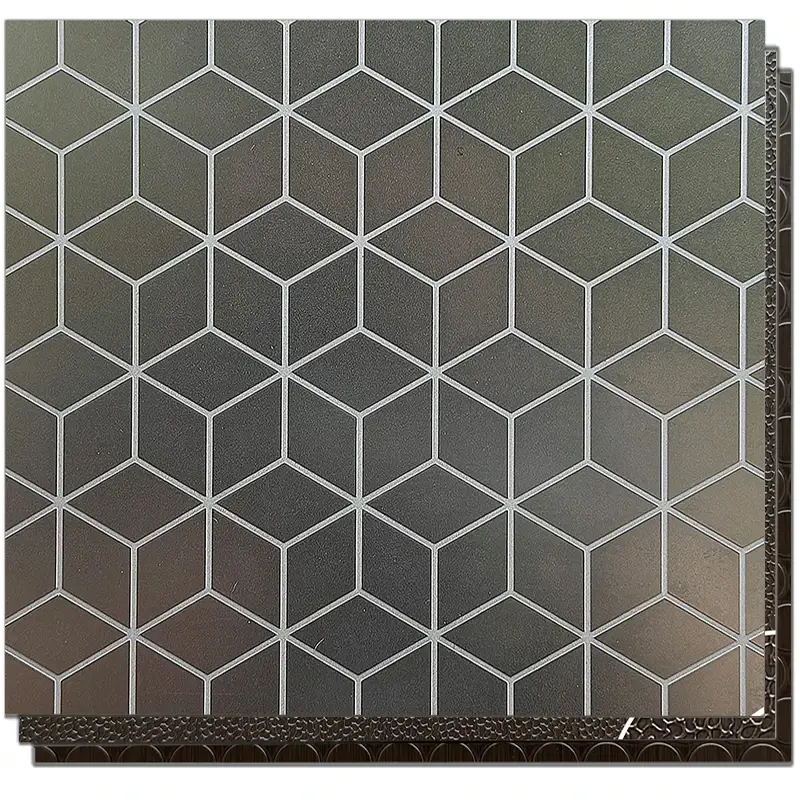
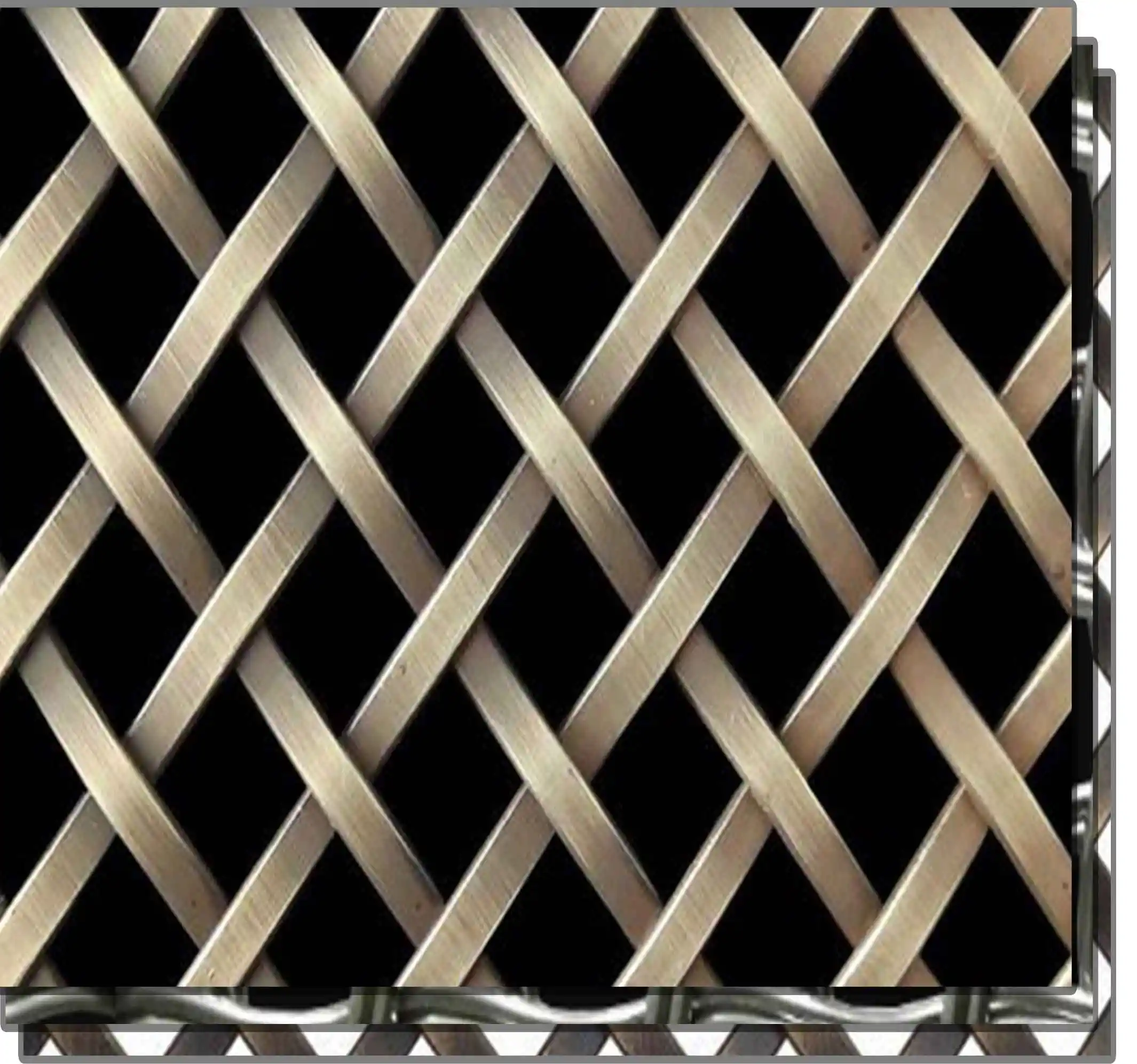
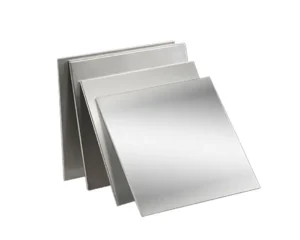
On the other hand, stainless steel has a silvery-gray color and a premium, clean appearance. Additionally, you can use post-processing to get a custom finish. These include brushed, polido, satin, and the list goes on. Both can be used for decorative purposes, and their selection depends on the appearance you want.
3- Strength & Hardness (Stiffness)

When it comes to hardness and strength, stainless steel stands out. It has a high proportion of chromium, nickel, and molybdenum. These elements contribute to its better strength. You can use stainless steel to make parts that are exposed to high stress. In contrast, brass is also stronger, but its hardness is compromised. This reduced hardness makes it softer and less resistant to wear. I recommend choosing stainless steel for greater strength.
4- Corrosion Resistance & Durability
Stainless steel far outperforms brass in corrosion resistance. Why? The reason is that this type of steel contains chromium. This chromium makes a chromium oxide layer when it comes in contact with oxygen. This layer protects the stainless steel for longer. Additionally, this layer is self-healing if scratched. Brass initially resists corrosion, but it can undergo dezincification. As a result, brass loses its ability to resist corrosion in the long run. Parts or products made of stainless steel are long-lasting.
5- Wear & Fatigue Resistance

Wear and fatigue resistance is directly related to strength and hardness. A material with better strength resists both wear and fatigue. Stainless steel offers better strength and excellent hardness. This material can withstand repeated or cyclic loads with ease. Additionally, its better hardness makes it wear-resistant. On the other hand, brass is compromised in terms of hardness. This makes brass less suitable for wear and tear. Additionally, brass is not as strong with extreme repeated loads or stress. So, stainless steel is a superior option in terms of both wear and fatigue resistance.
6- Ease of Machining & Weldability
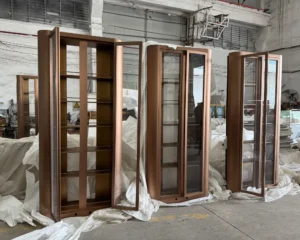
As I mentioned above, brass is a bit softer than stainless steel. As a result, cutting and shaping of this material are easier. The cutting tools won’t have to put extreme power to cut it. Additionally, chances of tool wear are also low when machining brass. On the other hand, stainless steel is harder, so cutting and shaping it are difficult. Remember, brass contains zinc, which vaporizes when exposed to heat; during welding, this vapor leads to porosity. Stainless steel is easier to weld than brass.
7- Electrical Conductivity & Heat Resistance
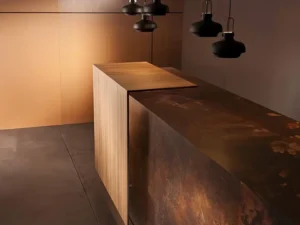
Brass is far superior in electrical conductivity. Why? The reason is that this material contains a higher proportion of copper. This copper has free-moving electrons. The presence of copper makes brass conduct electricity easily, with little resistance. That’s why brass is widely used to make various electrical components. On the other hand, stainless steel compromises electrical conductivity. However, this steel type has higher heat resistance. Stainless steel melts around 1,400–1,450°C, whereas brass melts at 900–940°C. Choose stainless steel when making kitchen items, utensils, and so on.
8- Cost & Major Applications

Price is the major factor people count when choosing between brass and stainless steel. Remember, both of these materials go head-to-head when compared. However, their pricing makes them suitable for people with different budgets. Brass is an expensive material due to its higher copper content.
This copper makes machining easier and makes it ideal for making electrical parts. People still choose brass, paying more, because it is easier to machine. Cutting tools can easily cut and shape this material. In contrast, stainless steel is an affordable option. This material is an ideal option when you want a product with better strength, hardness, and corrosion resistance.
Below is the table comparing brass and stainless steel applications.
| Brass Applications | Stainless Steel Applications |
| Plumbing fittings | Structural components |
| Valves & faucets | Food-processing equipment |
| Electrical connectors | Medical equipment |
| Bushings & gears | Kitchen equipment |
| Decorative hardware | Chemical-processing equipment |
| Heat-transfer components | Marine components |
| Precision CNC parts | Automotive components |
Concluding: Which One Should You Choose, Brass or Stainless Steel?
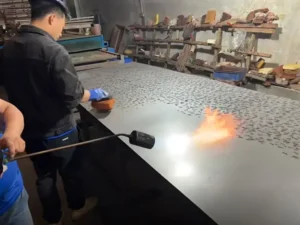
As discussed above, both brass and stainless steel are equally good. When compared, they go head-to-head, each offering unique value propositions. You should choose one that fits your custom use or needs. Want my opinion?
I recommend choosing brass if you want a material that is easier to machine and offers electrical conductivity. This material, if well maintained, offers excellent visual appeal. However, its higher pricing can be a drawback if you have a tight budget. Choosing stainless steel makes sense if you prefer durability and strength.
Remember, stainless steel is known for its excellent corrosion resistance. Even if used in moist or harsh conditions, these materials won’t show any sign of corrosion. Above all, stainless steel offers better heat resistance, a significant advantage. You should consider the pros and cons of both brass and stainless steel before making a final decision.
Notícias relacionadas
2026-10-14
2026-09-28
2026-09-15
2026-08-25