
 Sustentabilidade






Competition in modern manufacturing has become ferocious. Manufacturers use different materials to make products that are unique and stand out. Among these, bronze and copper are two popular materials. However, these materials differ in many respects. This distinction results in a debate on bronze vs copper. Some people consider them bronze alloys and believe they contain large amounts of copper. However, reality is different: copper and bronze differ in many respects. In this article, I will compare bronze and copper and help you choose the right one. Let’s get started.
Differences Between Bronze and Copper


First things first – bronze is an alloy, but copper is a pure metal. This means copper does not contain any other elements. These are major differences between these materials that lead to many other distinctions. Let’s drill down and explore their differences.
1- Chemical Composition


As I mentioned above, copper is a pure metal commonly used commercially. On the other hand, bronze is an alloy composed primarily of copper and tin. Copper makes up 90 to 95%, while tin makes up around 5 to 10%, depending on the grade of bronze.
It is worth noting that bronze also contains other alloying elements in addition to copper and tin. However, the proportions of these alloying elements are very small and often negligible. Remember, copper and tin are major alloying elements in all types and grades of bronze. However, their proportion can vary in different bronze grades.
Here is an example of the composition of bronze grades:
| Bronze Grade | Cobre (Cu) | Estanho (Sn) |
| C90200 | 91–94% | 6–8% |
| C90250 | 89–91% | 9–11% |
| C90280 | 87–90% | 9–11% |
| C90300 | 86–89% | 7.5–9% |
2- Color & Appearance (Visual Appeal)


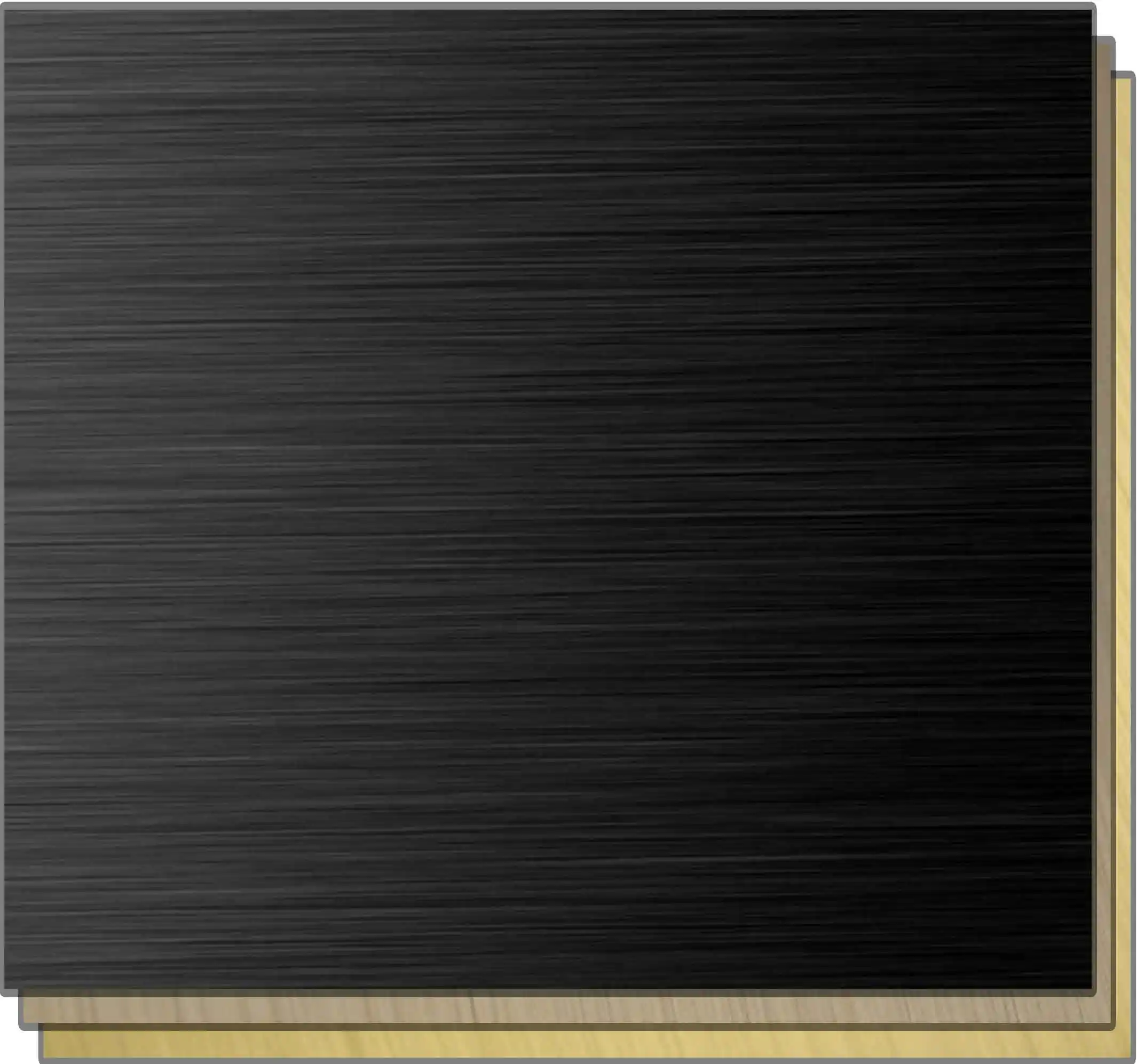
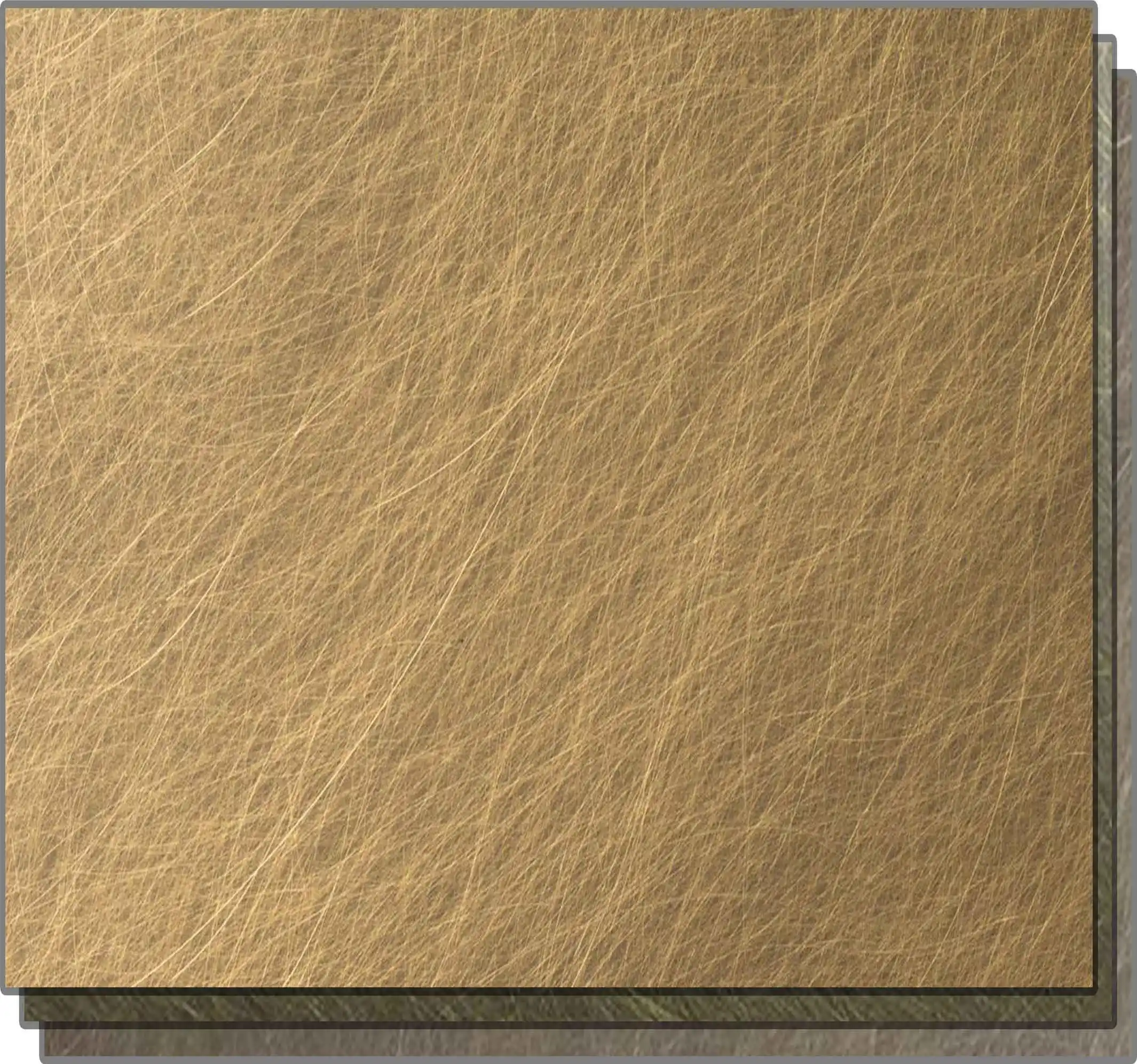
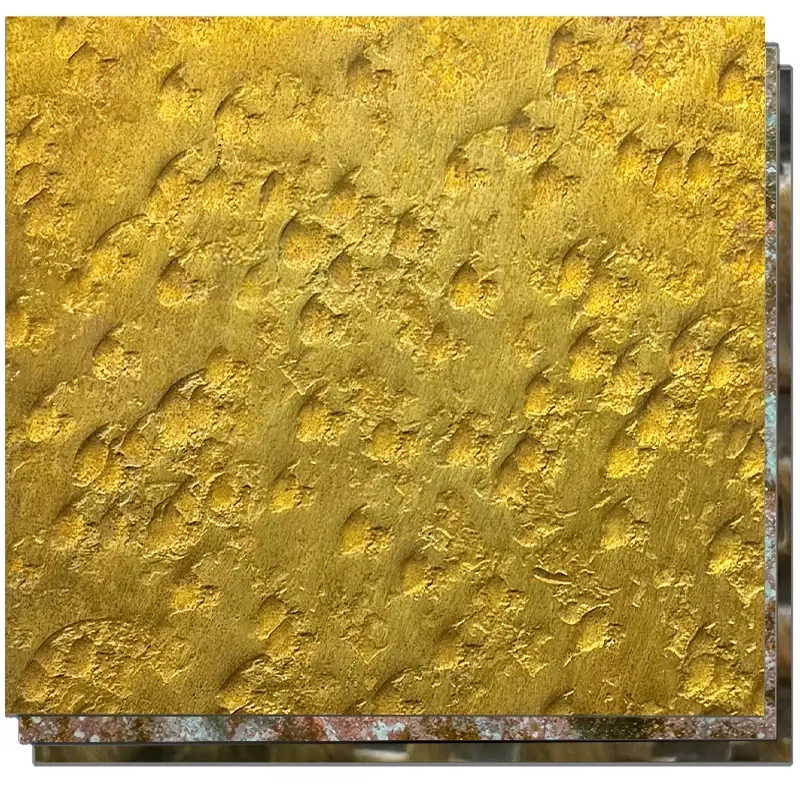
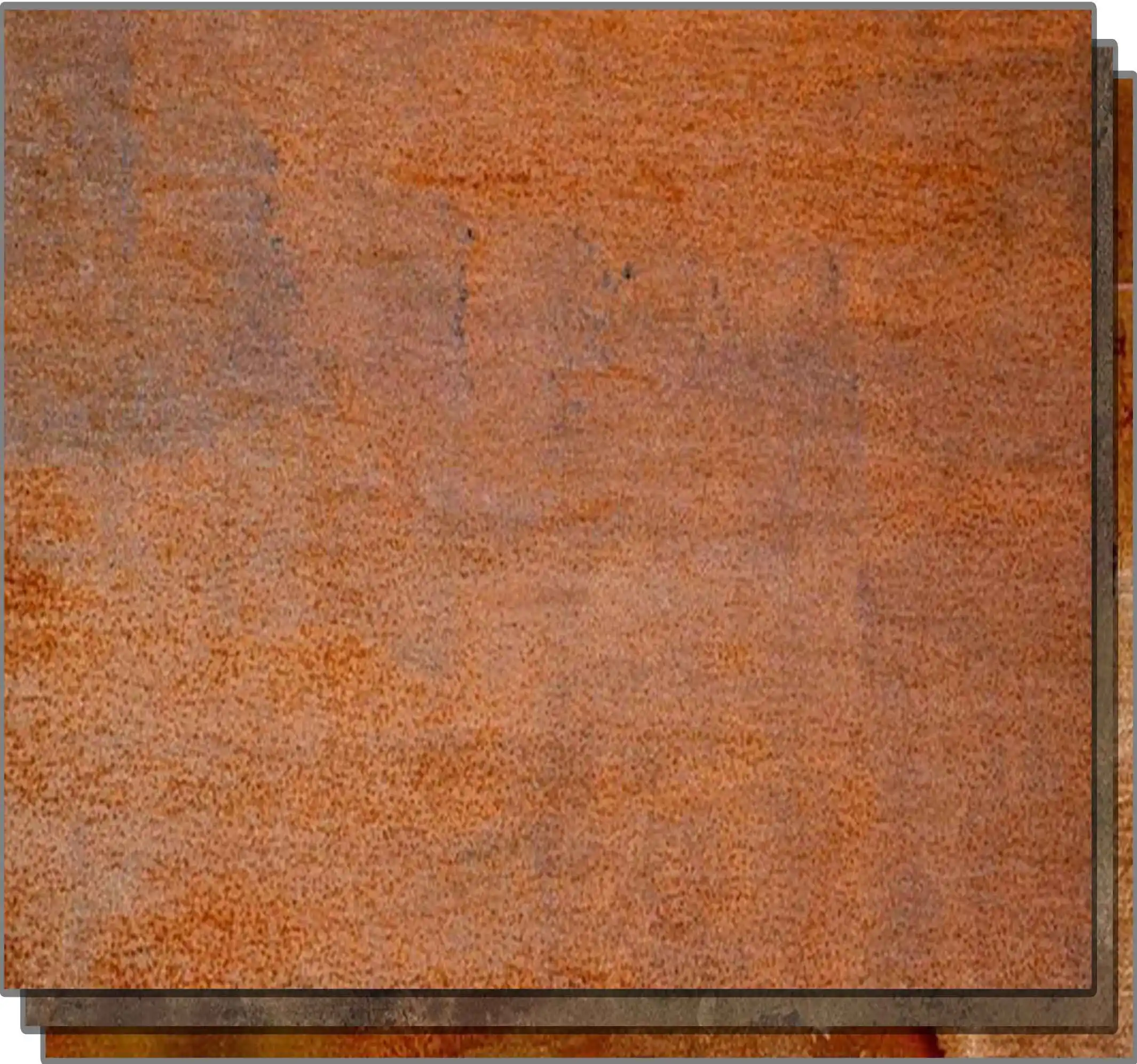
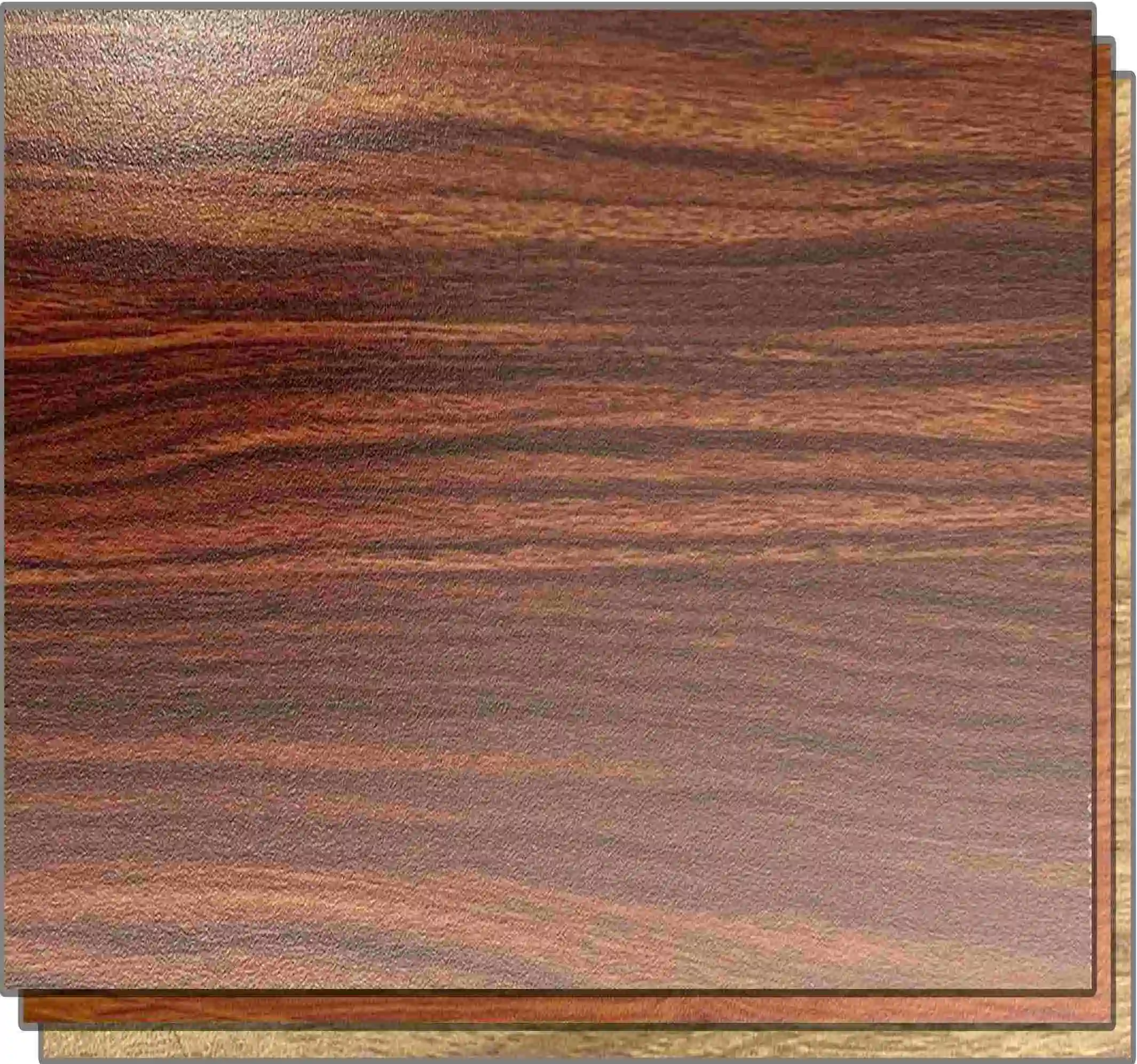
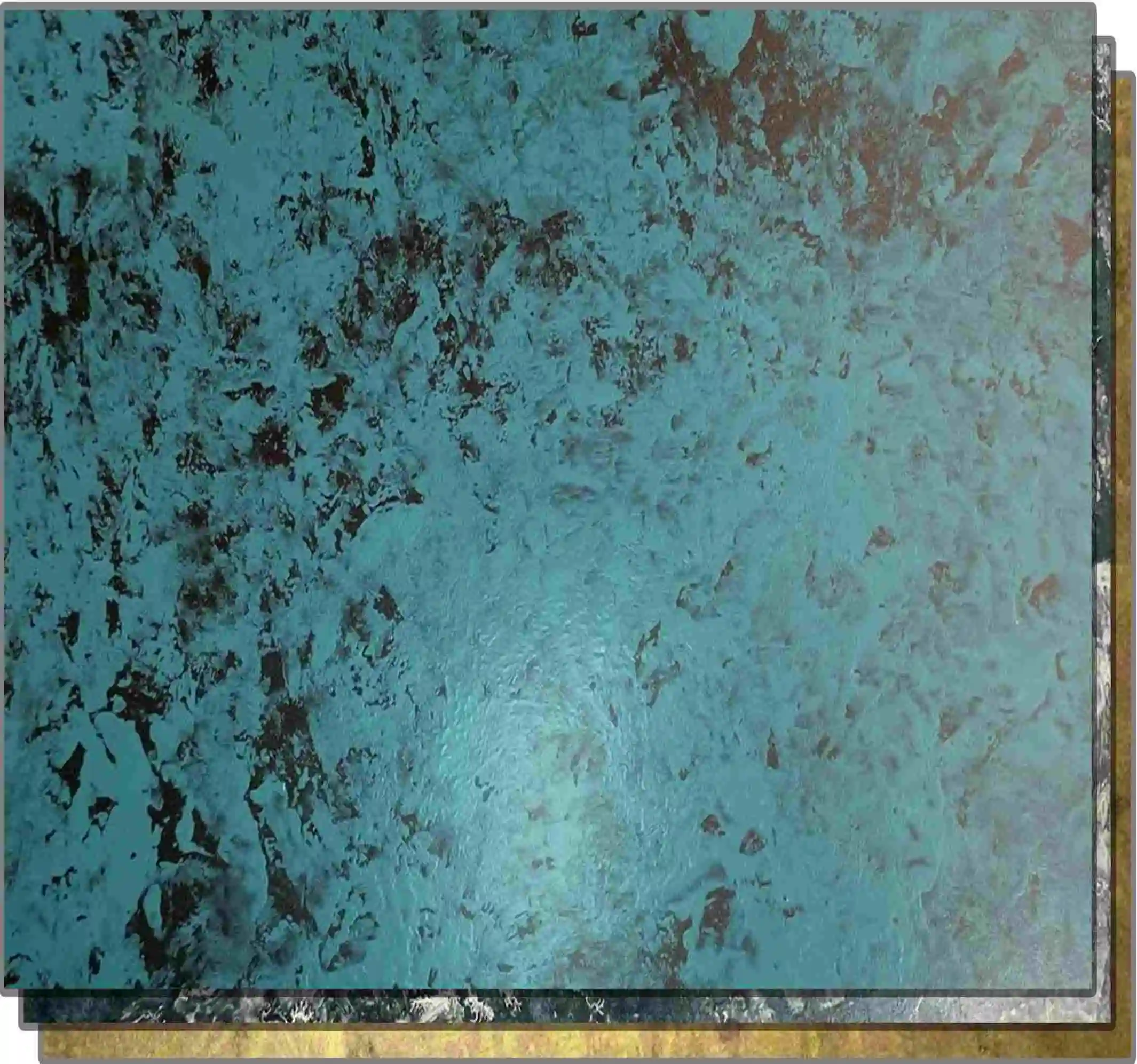
Copper and bronze also differ in color, appearance, and visual appeal. Copper is a pure metal with a reddish-orange color. Additionally, this material gets a greenish patina layer when exposed to air. In contrast, bronze has a reddish-brown color. This reddish shade comes from the presence of copper in this alloy.
Additionally, this material also gets a patina layer, but its color can be brown, green, or blue depending on composition. I recommend choosing bronze for decorative products. This material gives off a warm yellowish color, making it visually appealing. Aged copper also looks decent and can be used for decorative products.
3- Strength & Hardness


Copper is softer than bronze. It can be bent, shaped, and is also very ductile. When copper is exposed to loads, the likelihood of failure is high. In contrast, bronze is an alloy consisting of copper, tin, and other alloy elements. The presence of tin and other alloy elements contributes to the excellent strength of bronze. Additionally, bronze is a hard material and is not easily scratched. Under repeated loads or stress, this material keeps its shape and does not deteriorate. However, higher strength also reduces bronze’s flexibility and ease of machining.
4- Wear & Fatigue Resistance


Wear and fatigue are directly related to the hardness of materials. As I mentioned above, copper is a pure, soft metal. In contrast, bronze is an alloy consisting of copper, tin, and trace amounts of other elements. The presence of tin makes bronze hard and stronger. When subjected to repeated loads, this material keeps its shape and does not bend or deteriorate. On the other hand, copper, being softer, does not withstand loads. Additionally, this material can deteriorate quickly due to very low fatigue resistance.
5- Corrosion Resistance & Durability
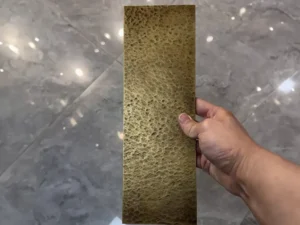
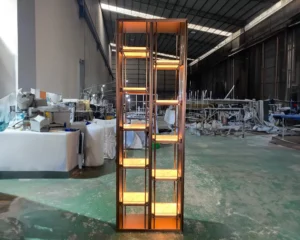
Both copper and bronze offer excellent durability and corrosion resistance. Why? The reason is that both form a patina layer when exposed to moisture. This layer protects them from corroding. Even if they corrode, their corrosion process happens slowly. This allows you to maintain them and remove any corrosion you notice. However, I consider bronze slightly more durable than copper. This is even more valid when these two materials are used in harsh conditions. The credit for better strength goes to its excellent strength and hardness.
6- Electrical & Thermal Conductivity
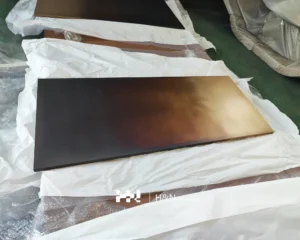

Copper is well known for its excellent electrical conductivity. In fact, this is one of the major reasons people use it for making wire and electrical products. Additionally, this material offers decent thermal conductivity. The reason is that copper has free electrons. These electrons are free and can move easily. This electron flow makes copper conduct both electricity and heat.
In contrast, bronze contains tin, which hinders electron movement. As a result, bronze does not conduct electricity and heat well. Below is the table showing a comparison of their electrical and thermal conductivity:
| Property | Cobre | Bronze |
| Electrical Resistivity | 0.017 µΩ·m | 0.08–0.20 µΩ·m* |
| Thermal Conductivity | 390–400 W/m·K | 50–70 W/m·K* |
7- Machinability and Fabrication

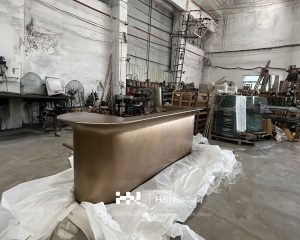
As I said above, copper is a soft material. As a result, cutting and machining of this material is not very easy. During cutting, the copper chips stick to the cutting tools. Additionally, when stressed, copper can bend. However, softness makes it a good option for rolling, bending, forming, and so on. On the other hand, bronze is an alloy consisting of tin, which gives it stability. Despite higher copper content, this material becomes a bit harder. So machining it is a lot easier. You won’t experience chips sticking to the cutting tools during machining.
8- Weight & Ductility
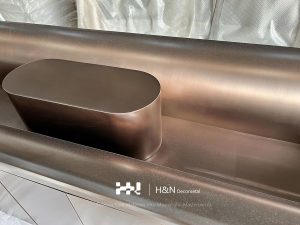

Weight is directly related to density. Copper is a denser material with a density of 8.96 g/cm³. On the other hand, bronze has a density of around 8.7 g/cm³. The higher density of copper makes it heavier than bronze. When it comes to ductility, copper stands out. It can be bent, rolled, and shaped to make a wide range of products. In fact, copper is widely used to make wires; that’s a prime example of the ductility and malleability of these materials. Bronze, on the other hand, is stronger and harder. Its ductility is lower than copper’s.
9- Cost and Applications
Copper is typically more affordable than bronze. Why? The reason is that copper is abundant and a natural metal. On the other hand, bronze is an alloy consisting of multiple alloy elements. These include copper, tin, and other elements that occur in trace amounts. These alloy elements, especially tin, are expensive, resulting in a higher cost for bronze.
When it comes to application, copper is the best option for making electrical components. You’ll see it being used to make wires, busbars, and other products. In contrast, bronze is used for bushes, bearings, and other components where hardness and strength are important. Here is the table showing applications of these two materials:
| Copper Applications | Bronze Applications |
| Electrical wiring | Bearings & bushings |
| Busbars | Gears |
| Heat exchangers | Valves |
| Plumbing | Marine propellers |
| Heat sinks | Pumps |
| Roofing | Sculptures & decorative parts |
Conclusion: Which One Should You Choose, Bronze or Copper?
Both copper and bronze offer unique properties and value. That’s where you should choose between the two by analyzing what your project needs.
I recommend choosing copper if you need better electrical and thermal conductivity. Additionally, this material offers decent corrosion resistance and ductility. Above all, this material is affordable, making it ideal for budget-friendly projects. However, if your priority is strength and visual appeal, choosing bronze makes sense despite its higher initial cost.
It is worth noting that both copper and bronze offer excellent properties. However, your choice depends on what you want. That’s why you should critically consider your application before making decisions.
Notícias relacionadas
2026-10-14
2026-09-28
2026-09-15
2026-08-25